How to Propagate Texas sage?
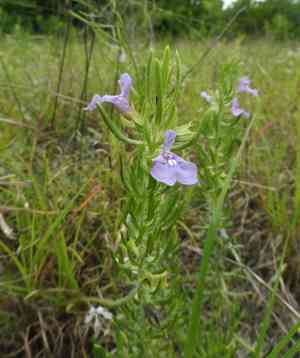
A robust species originating from dry regions, texas sage is predominantly multiplied via seeding. Begin with premium seeds to achieve the best germination rates. The preliminary step involves steeping the seeds overnight to soften their hard exterior, which facilitates successful emergence. Plant seeds in soil that drains effectively, as texas sage is susceptible to excessive moisture, and confirm they get plenty of sunlight. After the young plants have taken root, they can be moved to their permanent spot where they will flourish with little attention.
Optimal Period for Texas Sage Propagation
Propagation Method
Seeding
Propagation Period
Spring
Essential Tools for Texas Sage Propagation
Seed trays or pots
Seed trays or pots are vital for initiating texas sage seeds in a controlled setting. These containers offer a stable environment where moisture and temperature can be effectively managed, which is crucial for texas sage germination. Pots should feature drainage holes to prevent waterlogging, which could lead to seed decay.
Sterilized potting mix
Employing a sterilized potting mix, free from pathogens and pests, is crucial for successful texas sage propagation. This medium guarantees that seeds have a clean, nutrient-rich environment to foster healthy root growth. The mix's composition (typically a blend of peat, perlite, and vermiculite) provides excellent drainage and aeration, key factors in preventing root diseases.
Spray bottle or watering can with a fine rose
A spray bottle or a watering can equipped with a fine rose attachment is necessary for gently moistening the potting mix. It allows for delicate water application without disturbing or dislodging the small texas sage seeds. Consistent, light moisture encourages uniform germination and prevents the seed surface from drying out.
Plastic covers or humidity domes
Plastic covers or humidity domes aid in maintaining high humidity levels around texas sage seeds, which is beneficial for accelerating the germination process. These tools also keep the soil temperature stable and protect seeds from external disturbances like pests or harsh light.
Labels or markers
Labels or markers are helpful for organizing different batches of texas sage seeds, especially when propagating multiple varieties or planting dates. Proper labeling prevents confusion and assists in monitoring the growth progress and specific care requirements of each batch.
How to Propagate Texas Sage?
Propagation Type
Simple
Caring for Your Newly Propagated Texas Sage
Caring for Your Newly Propagated Texas Sage
Post-germination, gradually reduce watering, allowing the soil to dry slightly between irrigation sessions to encourage robust root development. Position texas sage in full sun, as it thrives in bright light conditions. Apply a balanced, slow-release fertilizer once at the start of the growing season to support healthy growth. Regularly check for pests and diseases, especially during warm, humid periods.
Common Errors to Avoid When Propagating Texas Sage
Overwatering
Excessive watering during propagation can lead to root rot and fungal diseases in texas sage, hindering root development and potentially killing young plants.
Deep planting
Planting texas sage cuttings or seeds too deeply can prevent them from receiving adequate light and air, which are vital for germination and root establishment.
Ignoring soil type
Using unsuitable soil that drains poorly or lacks the correct nutrient content can impede the rooting and overall growth of texas sage, as it prefers well-draining soil.
Neglecting humidity
Failing to maintain a humid environment around texas sage during propagation can lead to desiccation and reduced rooting success, particularly for cuttings.
Tips For Propagating Texas Sage
Stem cuttings
Utilize healthy, non-flowering stems for cuttings to ensure optimal rooting potential. Cuttings should be approximately 3-4 inches long and planted in a well-draining propagation medium.
Rooting hormone
Applying a rooting hormone to the cut end of texas sage cuttings enhances root development and increases the propagation success rate.
Light exposure
Provide bright, indirect light to texas sage during propagation. Direct sunlight can be too intense, causing stress and dehydration to vulnerable cuttings and seedlings.
Consistent moisture
Maintain consistent moisture in the propagation medium, but avoid waterlogging. Overly wet conditions can be detrimental, but the medium should not dry out completely.



