How Much Sunlight Do Texas sage Need?
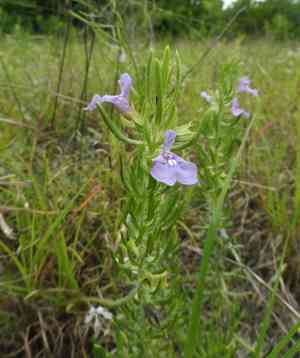
1
Texas sage flourishes in abundant sunlight, needing over 6 hours of direct sun each day.
2
Although it endures some shade, the plant might not bloom as vigorously.
3
Texas sage resists drought and handles intense summer temperatures once properly acclimated.
Ideal Light Conditions for Texas Sage
Abundant Sun Exposure
For peak development, Texas sage (Salvia texana) flourishes in bright, sunny environments. This plant craves sunlight, requiring a minimum of 6 hours of direct sun daily to thrive. Ensuring ample sun exposure not only fosters robust foliage but also promotes a rich display of vivid purple flowers. Ideally, position Texas sage where it receives continuous, direct sunlight for most of the day.
Partial Shaded Environments
While Texas sage prefers full sun, it can endure some shade, particularly in areas with extremely hot summers. In partial shade, the plant gets sunlight for roughly 3-6 hours daily, which helps shield it from intense midday heat. However, be aware that while Texas sage can survive in partial shade, its flowering may be less prolific and its vigor reduced compared to full sun conditions.
Recognizing Proper Illumination for Texas Sage
Indicators of Insufficient Light
A primary sign that Texas sage isn't receiving enough sunlight is etiolated growth, where the plant stretches out seeking more light. Furthermore, if the foliage appears sparse and blooms are rare or absent, these clearly indicate a need for more sun. Yellowing leaves and stunted growth are additional symptoms of inadequate light, suggesting the plant should be moved to a brighter location.
Signs of Excessive Light
Although Texas sage enjoys plentiful sunlight, too much intense light, especially in very hot climates, can lead to leaf burn and stress. If you observe crispy, brown leaf edges or if the plant looks wilted despite adequate watering, it might be getting too much sun. In such instances, providing some afternoon shade can help protect the plant without compromising its overall light requirements.
Seasonal Light Adjustments for Texas Sage
Summer Light Patterns
During summer, days are longer, and sunlight is more intense. This is the prime growing season for Texas sage, offering ample opportunities to absorb sun. However, in regions with scorching temperatures, consider offering afternoon shade to prevent heat stress and leaf scorch. Mulching around the base can also help maintain soil moisture and regulate root temperature during hotter periods.
Winter Light Patterns
In winter, days are shorter, and the sun's angle is lower, leading to reduced light intensity. While Texas sage is quite resilient, it's crucial to ensure it receives as much sunlight as possible during colder months. If you notice slower growth or fewer blooms, it could be due to decreased light availability. Pruning nearby trees or structures that block sunlight can help increase exposure and maintain plant health through the colder season.
Common Questions About Texas Sage and Sunlight
Can Texas Sage Be Grown Indoors?
While Texas sage is typically an outdoor plant, it can be cultivated indoors if given sufficient light. Position the plant near a south-facing window where it can receive at least 6 hours of direct sunlight daily. If natural light is insufficient, supplement with a grow light to simulate the full sun conditions it requires. However, indoor environments may not fully replicate outdoor conditions, which could impact the plant's overall growth and flowering.
What Are the Best Outdoor Spots for Texas Sage?
The best outdoor locations for Texas sage are in gardens or landscapes that receive uninterrupted sunlight for most of the day. South or west-facing areas are ideal as they provide the longest exposure to direct sunlight. Additionally, Texas sage can be effectively used in borders, rock gardens, or as a standalone feature. Ensure the plant is in well-draining soil to prevent root rot, and remember that once established, it is quite drought-tolerant, making it an excellent choice for xeriscaping.



