How to Transplant Cabbage palm?
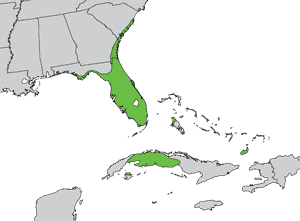
The optimal period for relocating cabbage palm is from mid to late-summer, when temperatures are elevated, providing sufficient opportunity for root systems to become firmly established. Select a site with good drainage, exposed to partial sun and moderate air currents. Ensure the growing medium remains consistently damp to encourage robust development.
What Preparations are Needed Before Transplanting Cabbage Palm?
What is the Ideal Time for Transplanting Cabbage Palm?
The optimal period to move cabbage palm is from the peak of summer through its conclusion. This timeframe offers cabbage palm prime growing conditions, boosting its hardiness and allowing ample time for establishment prior to winter. A gentle reminder, relocating at this point can enhance cabbage palm's robust development and longevity. Proceed methodically, ensuring thorough readiness for this vital gardening task. Rest assured, the effort invested will undoubtedly yield flourishing outcomes!
How Much Space Should You Leave Between Cabbage Palm Plants?
When relocating cabbage palm, provide ample room for their beautiful fronds to expand. Position each plant approximately 6-10 feet (1.8-3 meters) apart. This will ensure sufficient space for the palms to thrive without becoming overcrowded.
What is the Best Soil Mix for Cabbage Palm Transplanting?
For cabbage palm, well-drained and fertile soil is optimal. To prepare the planting site, incorporate a generous quantity of organic compost or thoroughly decomposed manure. This will enrich the soil, supplying essential nutrients for your palms to flourish.
Where Should You Relocate Your Cabbage Palm?
Select a location for your cabbage palm with abundant sunlight, as it enjoys basking in the sun. A spot receiving at least 6-8 hours of direct sunlight daily is perfect. In hotter climates, a bit of afternoon shade will help shield your palm from intense heat.
What Equipments Should You Prepare Before Transplantation Cabbage Palm?
Gardening Gloves
To safeguard your hands while handling soil and the plant.
Shovel or Spade
For excavating the cabbage palm from its current spot and preparing the new planting hole.
Pruning Shears
For trimming any damaged or dead parts of the cabbage palm before relocation.
A Wheelbarrow
For moving the cabbage palm from its original position to the new transplant site.
Watering Can or Hose
To hydrate the cabbage palm during and after the transplant process.
How Do You Remove Cabbage Palm from the Soil?
How Do You Remove Cabbage Palm from the Soil?
From Ground: First, irrigate the cabbage palm plant to moisten the soil. Next, excavate a wide trench around the plant using a shovel or spade, ensuring the plant's root ball remains intact. Carefully work the spade beneath the root ball to lift the plant from its initial location.From Pot: Water your cabbage palm plant thoroughly and allow excess moisture to drain. Gently loosen the soil from the pot's edges with your hands or a gardening tool. Carefully extract the plant by inverting the pot and supporting the plant's base, allowing it to slide out.From Seedling Tray: Water the cabbage palm seedlings and carefully separate them, taking care not to harm the roots. Use a gardening tool to lift each seedling out, keeping the root ball intact.
Step-by-Step Guide for Transplanting Cabbage Palm
Site Selection
Choose a spot with adequate sunlight and room for your cabbage palm plant to reach its full size.
Prepare the Hole
Dig a hole that is twice as wide and equally deep as the root ball of your cabbage palm plant.
Amend the Soil
Mix some organic material into the soil you removed while digging the hole for the cabbage palm plant. This will encourage good drainage and provide nutrients to the plant.
Place the Plant
Position your cabbage palm plant in the hole, ensuring the top of the root ball is level with the surrounding soil. Spread out the roots if they are tangled or encircling the root ball.
Fill in the Hole
Backfill the hole around the cabbage palm with the amended soil, gently pressing it down to remove air pockets. Create a shallow depression around the plant's base to help direct water to the roots.
Water Thoroughly
Water your cabbage palm plant generously immediately after transplanting to help settle the soil and establish the roots.
How Do You Care For Cabbage Palm After Transplanting?
Watering
Keep the soil around the cabbage palm consistently moist, but not waterlogged, for the initial few weeks post-transplant to aid in developing strong roots.
Pruning
Remove any dead or damaged leaves, branches, or fronds after the transplant to lessen stress on the plant.
Mulching
Apply a layer of organic mulch around the base of the cabbage palm to help retain moisture and regulate soil temperature.
Monitoring
Regularly inspect the cabbage palm for indications of transplant shock, such as wilting or yellowing foliage, and adjust your care practices accordingly.
Fertilizing
Wait at least one month after transplanting before applying any fertilizer to the cabbage palm to allow the roots to establish themselves in the new location.
Troubleshooting Common Issues with Cabbage Palm Transplantation.
When is the best time to transplant cabbage palm?
The optimal period to relocate your cabbage palm is from mid-summer to late summer.
What's the ideal spatial arrangement for cabbage palm?
Ideally, ensure a gap of 6-10 feet (1.8-3 meters) between each cabbage palm to provide ample room for growth.
What should I do if cabbage palm leaves start turning yellow after transplantation?
Cabbage palm may experience some stress during relocation. Maintain proper watering to aid its recovery. However, be aware that excessive watering can also cause yellowing.
What type of soil is best for transplanting cabbage palm?
Cabbage palm thrives in a wide range of soils; however, it prefers sandy, well-drained soil, which facilitates easier root establishment.
How deep should I dig the hole for transplantation?
The hole should accommodate the entire root ball of cabbage palm; typically, about twice as wide and as deep as the root ball, or approximately 2 feet (0.6 meters).
Is pruning necessary before transplanting cabbage palm?
Pruning is not strictly required, but removing a few upper fronds may help reduce shock and assist your cabbage palm in establishing faster post-transplant.
How often should I water cabbage palm after transplanting?
You'll want to keep the soil consistently moist for the first few weeks. However, avoid overwatering, as it may lead to root rot.
Can I transplant cabbage palm along with its surrounding soil?
Absolutely, relocating cabbage palm with its native soil can minimize transplant shock and aid in quicker root establishment.
What should I do if the cabbage palm isn't standing upright after transplanting?
You can temporarily stake the cabbage palm until the roots have established. However, do not tie it too tightly, as it may harm the tree.
Should I fertilize cabbage palm right after transplanting?
Avoid immediate fertilization. Wait for a few weeks until your cabbage palm begins to show signs of new growth, indicating it is becoming established.



