How Much Sunlight Do Cabbage palm Need?
1
Cabbage palm flourishes optimally with ample sunlight, preferably getting more than 6 hours of direct sun each day.
2
In warmer regions, Cabbage palm can endure some shade, particularly in the afternoon hours.
3
During the summer, observe your Cabbage palm carefully for indications of sun damage or strain from intense warmth.
Optimal Light Conditions for Cabbage Palm
Full Sun Versus Partial Shade
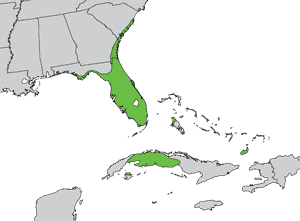
The Cabbage palm is a resilient and adaptable plant indigenous to the southeastern U.S. This species thrives in full sun, meaning it benefits from at least six hours of direct sunlight daily. However, it also tolerates partial shade remarkably well. In areas with intense afternoon sun, like the southern U.S., providing your Cabbage palm with some afternoon shade can prevent leaf scorch and stress while still ensuring adequate light.
Daily Illumination Duration
For healthy growth of your Cabbage palm, aim for it to receive a minimum of six to eight hours of sunlight each day. If situated in a less illuminated spot, it might survive but could exhibit slower development or sparser foliage. Regular observation and adjusting light exposure as needed can help your plant flourish.
Monitoring Light Exposure for Cabbage Palm
Utilizing a Light Meter
A light meter can be an invaluable tool for ensuring your Cabbage palm receives the correct amount of sunlight. These devices measure light intensity in foot-candles or lux. To use a light meter, take readings at various times of the day to understand the light levels your plant experiences. Aim for readings between 10,000 and 20,000 lux for optimal growth. Adjust the plant's placement based on measurements if necessary.
Shade-Tolerant Strategies
If your Cabbage palm is situated in a partly shaded location, consider these tips to maximize available light:Prune nearby plants or trees that may be obstructing light.Reflect light onto the plant using white surfaces or reflective materials.Periodically rotate the plant to ensure all sides receive ample sunlight.
Consequences of Improper Light Exposure
Signs of Sunburn in Cabbage Palm
Even though Cabbage palm enjoys sunlight, excessive direct exposure, especially during peak summer heat, can lead to sunburn. Symptoms of sunburn include brown or yellow patches on leaves, dry and crispy leaf tips, and a general wilted appearance despite sufficient watering. If these signs appear, consider relocating the plant to a slightly shadier spot or providing temporary shade during intense sunlight hours.
Symptoms of Insufficient Light
Inadequate light can also negatively impact your Cabbage palm. Watch for signs such as stretched or leggy growth, where the plant appears taller with more widely spaced leaves, indicating it's reaching for more light. Another symptom includes yellowing foliage and reduced overall growth rate. If observed, move your plant to a brighter location or gradually increase its light exposure.
Seasonal Light Requirements for Cabbage Palm
Summer Light Considerations
During the summer months, sun intensity increases. While Cabbage palm typically handles full sunlight, it's vital to check the plant for sunburn indicators. If needed, provide some afternoon shade, particularly in regions with high summer temperatures. Mulching around the base can also help retain soil moisture and protect roots from excessive heat.
Winter Light Adjustments
In winter, days are shorter, and sunlight is less intense. To compensate, ensure your Cabbage palm is positioned to receive maximum possible light. In some instances, you might need to supplement natural light with grow lights to meet the plant's illumination needs. Cleaning leaves to remove dust can also enhance their photosynthetic efficiency.



