
Cabbage palm (Sabal palmetto)
Also known as: Sabal palm, Swamp cabbage
The Cabbage Palm (Sabal palmetto) can reach heights of up to 20 meters. Its fronds contribute to a tropical ambiance and provide moderate shade. This tree blooms with white flowers in early summer, which are later replaced by berries in the fall. While the berries are technically edible, they are primarily consumed by wildlife.
In This Article
Attributes of Cabbage palm
Lifespan
Perennial
Plant Type
Palm
Plant Height
6 m to 9 m
Spread
3 m to 4.5 m
Leaf Color
Green
Flower Size
2.5 cm
Flower Color
White Yellow Cream
Images of Cabbage palm

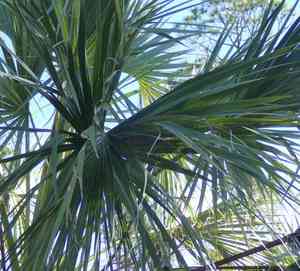
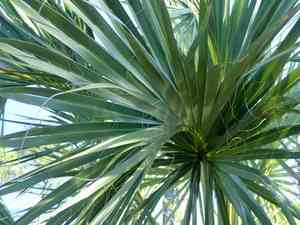

Quickly Identify Cabbage palm
1
Stout trunk reaching 20-30 feet (6-9 meters), topped by fan-shaped leaves.
2
Dark green, costapalmate leaves with blend of palmate and pinnate features.
3
Yellowish-white flowers in sizable clusters up to 2 feet (60 cm) long.
4
Small, dark blue to black drupes around 0.5 inches (1.27 cm) in diameter.
5
Palmate, fan-shaped leaves up to 5 feet (150 cm) long with prominent veined patterns.
Scientific Classification of Cabbage palm
Phylum
Vascular plants
Class
Monocotyledons
Order
Arecales
Family
Palm
Genus
Palmettos
Species
Cabbage palm
Planting and Growing of Cabbage palm
Care Difficulty
Easy
Watering Schedule
Every 2 days
Sunlight Requirements
Full sun
Sunshine Duration
6-10 hours
Ideal Temperature
70-85℉
Soil Type
Potting Mix, Peat Mix
Soil pH
6.5-7.5
Fertilizer Type
Balanced
Pruning Season
Spring, Summer
Pruning Area
Branches, Leaves
Pruning Frequency
2 times a year
Repotting Season
Spring
Pot Type
Plastic, Terracotta
 How to Water Cabbage palm?
Sabal palmetto, also known as the cabbage palmetto, requires a thorough but moderate watering approach. It's important to ensure the soil is moist but not waterlogged to prevent root rot. A general guideline is to use about 1000 milliliters per watering session, allowing water to penetrate deeply into the soil, encouraging deep root development.
More About Watering Techniques→
What are the symptoms of an underwatered Cabbage palm?
›
What should I do if my Cabbage palm is not getting enough water?
›
What are the symptoms of an overwatered Cabbage palm?
›
How to save an overwatered Cabbage palm?
›
 What Are the Sunlight Requirements for Cabbage palm?
Sabal palmetto ideally enjoys full sun, benefiting from 6-8 hours of sunlight. This exposure supports photosynthesis, leading to healthier, more vibrant foliage and a stronger plant structure.
More About Sunlight Requirements Techniques→
What is the ideal light level for Sabal palmetto?
›
How to achieve the ideal lighting for Sabal palmetto?
›
What benefits are gained by ideal lighting for Sabal palmetto?
›
 What Is the Ideal Temperature Range for Cabbage palm?
Sabal palmetto, known as the cabbage palm, thrives best in warm, subtropical climates. The ideal temperature range of 70°F to 85°F allows optimal growth and photosynthesis. At these temperatures, the plant can efficiently synthesize nutrients, ensuring healthy development and resilience against diseases and pests.
 What Soil is Best for Cabbage palm?
Sabal palmetto thrives best in well-draining soil, which prevents waterlogging and root rot. This allows for healthy root development and overall plant vitality, ensuring the palm can withstand varying environmental conditions. Although not highly demanding, Sabal palmetto benefits from nutrient-rich soil to support its growth and resilience. This contributes to lush foliage and a robust palm that can better resist pests and diseases. Soil with moderate moisture retention supports the Sabal palmetto by providing a steady water supply without drowning the roots. This balance helps the plant to maintain its health during dry spells.
More About Soil→
 How to Fertilize Cabbage palm?
For Sabal palmetto, it's crucial to balance the nutrient provision carefully. Generally, apply liquid fertilizer at half strength, using about 20 ml for a small to medium-sized plant. For slow-release fertilizers, a handful around the base, equivalent to about 50-70 grams, ensures consistent nutrition.
More About Fertilizing Techniques→
 How to Prune Cabbage palm?
To prune Sabal palmetto, start by using a clean, sharp pair of pruning shears. Focus on removing only dead or browning fronds, as these are no longer beneficial to the plant and can harbor pests. Always cut as close to the trunk as possible without damaging it. Avoid removing green fronds, as they are critical for photosynthesis. When shaping Sabal palmetto, aim to maintain a natural umbrella form. This not only enhances its aesthetic appeal but also ensures that healthy fronds have ample space to grow. Be cautious not to over-trim; excessive pruning can lead to stress and a decrease in its resilience to environmental changes.
More About Pruning Techniques→
 How to Propagate Cabbage palm plant?
1
Collect seeds from a mature Sabal palmetto tree when they are ripe. Typically, this occurs in late summer or early autumn. Ensure the seeds are dry and free from any fruit pulp for optimal germination.
2
Fill the seed trays with a well-draining potting mix. Sow the Sabal palmetto seeds about half an inch deep, spacing them evenly. Cover lightly with soil and water the seeds gently to settle the soil.
3
Place the seed trays in a warm location with indirect sunlight. Maintain a consistent temperature around 70-85°F (21-29°C) and keep the soil moist but not waterlogged. Germination can take several weeks, so patience is essential.
 How to Repot Cabbage palm plant?
1
Repot Sabal palmetto when you notice it's becoming root-bound, with roots growing out of the drainage holes, or when the soil has degraded. These signals suggest that the plant needs more space to grow, and repotting will provide it with fresh soil and nutrients.
2
Select a pot that is 2-3 inches larger in diameter than the current one, with adequate drainage holes. A larger pot ensures that roots have room to grow without being overly constricted, promoting healthy growth and preventing waterlogging.
3
Opt for a well-draining potting mix, ideally formulated for palms. Such soil retains enough moisture for the plant but also drains efficiently, preventing root rot and creating an environment where the roots can breathe and absorb nutrients effectively.



