How to Overwinter Cabbage palm
1
The Cabbage palm is a moderately resilient plant, capable of enduring some frost, yet needing safeguarding in extremely cold conditions.
2
In winter, Cabbage palm needs minimal watering to prevent root decay, but complete desiccation should be avoided.
3
Applying mulch around the plant's base can aid in insulating its roots and preserving moisture throughout colder periods.
Why Cabbage palm Needs Special Care in Winter
Why Cabbage palm Needs Special Care in Winter
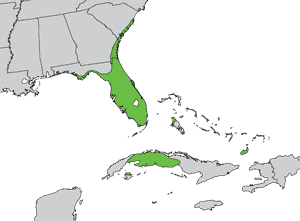
The Cabbage palm, indigenous to the southeastern U.S., is a hardy and attractive tree often found in coastal regions. Despite its robust nature, it requires specific care during colder months, especially in areas experiencing harsh frosts. As a semi-hardy species, Cabbage palm can withstand light frost but is vulnerable to colder temperatures and prolonged exposure to freezing conditions. Winter care ensures the plant continues to thrive and maintains its vitality, preparing it for vigorous growth in spring.
Steps to Overwinter Cabbage palm Successfully
Assessing Your Region's Climate
Before taking any action, it's crucial to understand your region's climate. If you reside in a zone with mild winters, your Cabbage palm might only need minimal protection. For areas with more severe winters, more extensive measures will be necessary. Tools like the USDA Hardiness Zone map can help determine your area's specific needs.
Keeping Cabbage palm Indoors or Outdoors
In regions with extremely cold winters, consider relocating potted Cabbage palm indoors to a bright, frost-free spot. If your plant is too large to move or is planted in the ground, you'll need to focus on outdoor protection methods such as using frost blankets or structures to shield them from strong winds and freezing temperatures.
Insulating the Root Zone
Insulating the root zone is crucial for protecting Cabbage palm. Apply a thick layer of mulchâapproximately 5-10 centimeters (2-4 inches)âaround the plant's base to provide insulation. Straw, leaves, or pine needles work well. This insulation helps retain soil moisture and protect roots from freezing.
Watering Guidelines
During winter, the watering requirements of Cabbage palm change significantly. Reduce watering frequency but ensure the soil remains slightly damp. Overwatering can lead to root rot, especially when the plant is less active. A general guideline is to water only when the top few centimeters (inches) of soil are dry.
Light and Temperature Requirements
Cabbage palm benefits from ample light even in winter. If indoors, position it near a south or west-facing window. Outdoor plants may require additional wind protection using burlap screens. Aim to keep the temperature around your Cabbage palm between 10-15°C (50-59°F) to prevent frost damage while maintaining a healthy state.
Seasonal Pruning and Cleaning
Prune away any dead or damaged fronds before winter arrives. However, avoid heavy pruning as it can stress the plant. Regularly clean around the base to remove debris, which can lead to pest infestations or diseases. Maintaining cleanliness promotes better air circulation and plant health.
Common Challenges and Solutions for Overwintering Cabbage palm
Dealing with Frost Damage
If your Cabbage palm experiences frost damage, avoid pruning the affected areas immediately. Wait until spring to assess the full extent of the damage and then trim away dead portions. Using frost cloths or even old blankets to cover the plant during severe cold snaps can prevent such damage.
Preventing Pest Infestations
Winter can sometimes bring pests like spider mites and scale insects indoors. Regularly inspecting your plant and wiping down fronds with a mild soap solution can help keep these pests at bay. Neem oil is also an effective organic option for managing infestations.
Addressing Waterlogging Issues
Cabbage palm does not tolerate waterlogged soil, particularly in winter. Ensure that your pots have adequate drainage or that the planting site is well-drained. Elevated planting in garden beds can help improve drainage and prevent waterlogging.



