How to Propagate Cabbage palm?
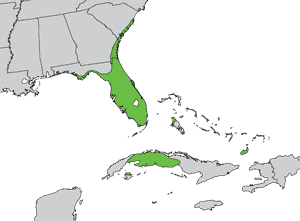
The most effective period for propagating cabbage palm is in the spring by means of seeding. This particular plant presents a moderate challenge in propagation, with successful outcomes typically evidenced by germinated seeds and emerging foliage. No specific advice pertaining to propagation is necessary.
Optimal Time for Cabbage Palm Propagation
Propagation Method
Seeding
Propagation Period
Spring
Essential Tools for Cabbage Palm Propagation
Seed Tray with Humidity Dome
A seed tray equipped with a humidity dome establishes an ideal microenvironment for germinating cabbage palm seeds. Maintaining moisture is vital for seed sprouting, and the dome assists in sustaining consistent humidity levels without excessive watering.
Peat or Biodegradable Pots
Pots made from peat or biodegradable materials offer a nurturing setting for cabbage palm seeds while minimizing transplant shock. The degradable composition allows roots to easily penetrate the sides, promoting healthier growth post-planting.
Seed Starting Mix
This sterile, nutrient-rich substrate provides an excellent growth medium for cabbage palm seeds. It ensures proper drainage and aeration, crucial for root development, while reducing the risk of soil-borne pathogens.
Watering Can with a Fine Rose
A gentle water flow is imperative for irrigating cabbage palm seeds without dislodging them. The fine rose attachment distributes water evenly and delicately, mimicking soft rainfall for delicate seedlings.
Heat Mat
Elevates soil temperature to optimal levels for cabbage palm seed germination. The consistent warmth provided by the mat enhances germination rates and accelerates seedling growth.
Pruners or Scalpel
For gathering seeds from mature cabbage palm specimens, a sharp pruner or scalpel ensures clean cuts without harming the parent plant, aiding in disease prevention and preserving plant health.
Labels and Markers
Used to clearly identify pots or trays with the date and species to track germination times and monitor growth. Essential for organizing multiple propagations and documenting the developmental stages for cabbage palm.
Steps to Propagate Cabbage Palm
Propagation Method
Seeding
Difficulty Level
Easy
Caring for Your Newly Propagated Cabbage Palm
Caring for Your Newly Propagated Cabbage Palm
Cabbage palm are slow-growing and can tolerate drought well once established. Provide them with full sun to partial shade and well-draining soil. Young plants will require regular watering until their root systems are fully developed. Fertilize sparingly during the growing season. Protect young plants from cold temperatures as they are less cold-hardy than mature cabbage palm.
Common Errors to Avoid When Propagating Cabbage Palm
Excessive Watering
Propagating cabbage palm necessitates maintaining balanced moisture levels. Overwatering can lead to root rot and fungal diseases, which hinder root development and can ultimately kill the plant.
Inadequate Soil Medium
Using an unsuitable soil medium can be detrimental to cabbage palm seedlings. A medium that is too dense can impede root growth, while one that is too light may not offer sufficient support and nutrients.
Failure to Remove Pulp from Seeds
Not thoroughly cleaning pulp off cabbage palm's seeds before planting can attract pests and fungal growth, which may harm the seed or impede germination.
Planting Too Deeply
Planting cabbage palm's seeds too deeply can prevent them from receiving adequate warmth and oxygen, which are crucial for germination. It can also make it harder for the seedling to emerge through the soil surface.
Neglecting Post-Germination Care
Ignoring the care requirements of cabbage palm after germination, such as gradual acclimatization to outdoor conditions and continuous monitoring of soil moisture, can result in weak plants that are more susceptible to diseases and environmental stress.
Tips for Propagating Cabbage Palm
Correct Seed Preparation
Properly preparing cabbage palm's seeds by cleaning the pulp and soaking them in water for a specified duration encourages faster and more uniform germination.
Appropriate Soil Mix
Utilizing a well-draining soil mix that retains moisture without becoming waterlogged is crucial for the healthy root development of cabbage palm.
Sowing Depth
Ensuring cabbage palm's seeds are sown at the appropriate depth, typically no more than twice the seed's diameter, allows them to access sufficient light and warmth for successful germination.
Moisture Regulation
Maintaining consistent soil moisture without waterlogging is essential for cabbage palm's propagation. This involves regular misting or watering that prevents stagnation.
Post-Germination Positioning
After germination, seedlings of cabbage palm should be placed in a well-lit area without direct sunlight, which can provide the appropriate conditions for continued growth and development.



