How to Prune Cabbage palm?
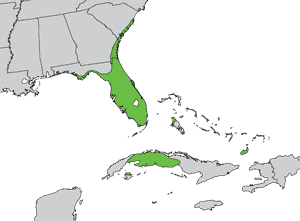
Featuring fan-like foliage and a robust, elevated stem, the cabbage palm is a favored ornamental in temperate climates. Trimming should concentrate on excising withered or ailing fronds, faded inflorescence stalks, and any frost-affected leaves. The ideal period for this maintenance is in early spring or late winter, before the active growth phase. Judicious pruning aids the cabbage palm by deterring infestations and fostering a tidy, visually appealing look. Always employ sanitized, keen implements to avert harm and illness.
Advantages of Trimming Cabbage Palm
Advantages of Trimming Cabbage Palm
Trimming cabbage palm promotes more robust development and helps maintain its desired form. Regular removal of dead or overgrown fronds ensures optimal health and visual appeal.
Optimal Time for Trimming Cabbage Palm
Optimal Time for Trimming Cabbage Palm
During late winter and early spring, cabbage palm is typically still dormant or just beginning to exit its dormancy phase. Pruning in this period prevents stress to the plant and reduces the risk of disease, as open cuts heal faster in the early growing season. These seasons avoid interrupting cabbage palm's growth cycle during its active growth phases in late spring and summer. Furthermore, this timing ensures that the pruning process doesnât interfere with cabbage palm's flowering or fruiting periods. Pruning during late winter and early spring gives the plant ample time to recover and focus energy on healthy new growth, which is most vigorous during spring. This strategic timing helps to maintain the health and structural integrity of cabbage palm, leading to a more robust and resilient plant.
Required Tools for Pruning Cabbage Palm
Heavy-Duty Pruning Saw
A robust and keen saw is crucial for cutting through the tough, fibrous fronds of cabbage palm when they become old or damaged. Its durable teeth can manage the plant's thick petioles.
Long-Handled Loppers
These offer the necessary leverage to trim thicker branches and fronds without needing to climb the plant. Their extended reach is beneficial for accessing hard-to-reach fronds of cabbage palm.
Pole Pruner
For elevated fronds that are out of reach, a pole pruner enables safe trimming from the ground. This tool helps avoid the need for ladders or climbing, which is important due to the height of cabbage palm.
Safety Gear (Gloves, Goggles)
Gloves protect hands from the plant's sharp edges and fibers, while goggles are essential to shield eyes from falling debris during the pruning of cabbage palm.
Garden Shears
For smaller or more precise trimming tasks on cabbage palm, such as removing seed pods or minor shaping of younger fronds, sharp garden shears can offer more control.
Pruning Knife
This tool is useful for detailed work, like stripping fibrous material off the trunk or removing boots (the remnants of leaf bases) in the case of cabbage palm.
How to Prune Cabbage Palm
Step1: Identify Unhealthy Fronds
Examine cabbage palm to identify which yellow leaves, brown fronds, or complete dead fronds need trimming. Look for discolored, drooping, or damaged leaves and fronds that no longer contribute to the plant's aesthetics and health.
Step2: Sanitize Pruning Tools
Sanitize your pruning tools with a solution of 1 part bleach to 9 parts water to prevent the spread of disease. Ensure that your cutting instruments are sharp for clean cuts.
Step3: Wear Protective Gear
Wear protective gloves and safety glasses to shield yourself from the sharp edges of the fronds and from any falling debris during the pruning process.
Step4: Remove Yellow Leaves
To remove yellow leaves, gently pull them to see if they come off easily. If they do not, use your pruning shears to cut them at the point where they emerge from the trunk. Make a clean cut without damaging the trunk or nearby healthy tissue.
Step5: Prune Brown Fronds
Trim brown fronds by cutting them close to the trunk without cutting into it. Leave about 2 to 3 inches of the frond base to prevent damage to the trunk. Ensure the pruning cut is horizontal and neat.
Step6: Trim Dead Fronds
For complete dead fronds, follow the same method as for brown fronds. Since these are completely dead, they may be removed more easily, but it is still important to avoid damaging the trunk.
Step7: Cut Low-Hanging Fronds
Prune fronds that are hanging below the horizontal plane, as cabbage palm naturally sheds its lower fronds. This will contribute to the palm's natural 'hurricane cut', and is healthier for its growth.
Step8: Preserve Healthy Green Fronds
Avoid removing green fronds growing horizontally or upward as this could stress cabbage palm and slow its growth. The 'hurricane cut' should not be extreme; cabbage palm's canopy should still have a rounded, full appearance.
Step9: Dispose of Trimmings Properly
Dispose of the removed fronds properly. Do not leave them near cabbage palm, as they can attract pests and diseases.
Step10: Monitor Plant Post-Pruning
Monitor cabbage palm after pruning for signs of stress or infection. Regularly maintain cabbage palm by repeating this pruning process as necessary, usually once or twice a year.
Post-Pruning Care for Cabbage Palm
Post-Pruning Care for Cabbage Palm
After pruning cabbage palm, provide adequate water to avoid stress, particularly in dry conditions. Position cabbage palm in an area with moderate light; direct sunlight may exacerbate pruning wounds. Maintain a stable, warm temperature and protect cabbage palm from strong winds. Apply a balanced, slow-release fertilizer to support recovery, avoiding over-fertilization. Regularly check for discoloration or wilting and ensure proper soil drainage to prevent fungal growth. If signs of infection appear, treat promptly with an appropriate fungicide.
Common Pruning Mistakes with Cabbage Palm
Over-pruning weakens plant defenses
Pruning too much foliage from cabbage palm can weaken the plant or lead to trunk scarring, reducing its natural defenses against weather and pests.
Harming terminal bud stops growth
Cutting into or damaging the terminal bud, or heart, at the top of cabbage palm may cause serious harm or even kill the plant, as this is where new growth originates.
Unsterilized tools spread diseases
Using unsterilized pruning tools on cabbage palm increases the risk of spreading diseases or introducing pathogens that can affect the plant's health.
Removing green fronds hinders photosynthesis
Removing green fronds, which are necessary for photosynthesis, can deprive cabbage palm of the energy it needs for growth and maintenance.
Wet condition pruning invites fungus
Trimming during wet conditions can make cabbage palm more susceptible to fungal infections and other diseases that thrive in moisture.
Common Pruning Tips for Cabbage Palm
Prune only dead or yellow fronds
Only remove brown, yellowing, or dead fronds from cabbage palm to maintain its health and aesthetic appeal without compromising its growth.
Sterilize tools to prevent disease
Sterilize pruning tools before each use to prevent the introduction of diseases to cabbage palm.
Use sharp tools for clean cuts
Use a sharp, clean saw or loppers to make precise cuts on cabbage palm, which helps reduce damage to the plant and promotes quicker healing.
Handle surrounding fronds gently
When pruning cabbage palm, be gentle with the surrounding fronds and avoid pulling or tugging to prevent damage to the healthy parts of the plant.
Properly dispose of removed fronds
Dispose of the removed fronds properly to reduce the chance of pests or diseases affecting cabbage palm.



