How to Transplant Bristly locust?
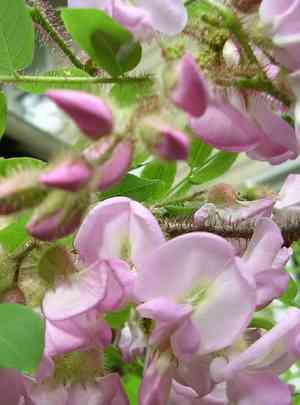
The most favorable period for relocating bristly locust is during the pleasant warmth of early to mid-summer, which encourages strong root development. Choose a bright spot with soil that drains effectively. If necessary, position them with adequate distance to allow for expansion, guaranteeing a successful move.
What Preparations are Needed Before Transplanting Bristly Locust?
What is the Ideal Time for Transplanting Bristly Locust?
The optimal period for relocating bristly locust is during the pleasant warmth of late spring to early summer. This timeframe facilitates a smooth adjustment to its new environment, leveraging the season's prime growth conditions. Moving bristly locust at this point allows it to establish itself in warm soil, fostering a robust root system before colder months arrive. A helpful tip: by transplanting bristly locust during its peak growth phase, you're setting the foundation for a lush, thriving plant that's a pleasure to observe.
How Much Space Should You Leave Between Bristly Locust Plants?
When preparing to rehome bristly locust, envision an expansive garden by providing 10-15 ft (3-4.5 m) of space between each plant. This allowance helps bristly locust thrive and prevents overcrowding!
What is the Best Soil Mix for Bristly Locust Transplanting?
Let's prepare a comfortable bed for bristly locust! Aim for soil that drains well, enriched with a balanced, slow-release fertilizer. Ensuring this nourishing beginning helps bristly locust settle in beautifully.
Where Should You Relocate Your Bristly Locust?
Select a sunny spot where bristly locust can flourish! Locations receiving full sunlight will ensure your bristly locust develops healthily and strongly. A bit of sun planning goes a long way!
What Equipments Should You Prepare Before Transplantation Bristly Locust?
Gardening Gloves
To safeguard your hands while handling soil and plants.
Shovel or Spade
For excavating the plant and preparing the new planting site.
Watering Can or Hose
To hydrate the plant before and after removal, as well as in its new spot.
Wheelbarrow
To move the plant and soil, especially if it's large or the new site is distant.
Root Pruning Shears
To trim any elongated or damaged roots.
Tarp or Burlap
To secure the root ball during transit, if necessary.
How Do You Remove Bristly Locust from the Soil?
How Do You Remove Bristly Locust from the Soil?
From Ground: First, water the bristly locust plant to moisten the soil and reduce stress. Then, dig a wide trench around the plant using a shovel or spade, being careful not to harm the root ball. Gently work the spade underneath to lift the plant out.From Pot: Water the bristly locust thoroughly. Tilt the container and gently tap the bottom and sides to loosen the plant. Grasp the base of the bristly locust and carefully extract it, supporting the root ball.From Seedling Tray: Water the seedlings to make the soil damp. Use a spoon or a dibber to carefully lift the bristly locust seedlings from the tray without disturbing their roots.
Step-by-Step Guide for Transplanting Bristly Locust
Preparation
Ensure all necessary tools and equipment are ready before commencing the transplanting process.
Removing the Plant
Follow the removal procedure outlined above, choosing the method appropriate for your starting point (ground, pot, seedling tray).
Root Inspection
Examine the bristly locust's root ball. Trim any broken or excessively long roots with pruning shears.
Transportation
If the new location is not easily accessible, place the bristly locust's root ball on a tarp or in a wheelbarrow to transport it without damaging the roots.
Hole Preparation
Dig a hole at the new site that is twice as wide as the bristly locust's root ball but no deeper than the plant was originally growing.
Planting
Position the bristly locust in the center of the hole. Ensure it stands upright, at the same depth it was previously growing, refilling around the root ball with the excavated soil.
Watering
Water the bristly locust thoroughly after transplanting to settle the soil and eliminate air pockets around the roots.
Mulching
Apply a layer of mulch around the base of the bristly locust to help retain moisture and regulate soil temperature.
How Do You Care For Bristly Locust After Transplanting?
Regular Watering
For the initial few weeks, ensure bristly locust receives sufficient water to aid root establishment.
Mulching
Maintain a layer of mulch to conserve moisture and deter weed growth.
Monitoring
Observe your bristly locust for indications of transplant shock, such as wilting foliage or discoloration, and respond promptly if noticed.
Pruning
Postpone any significant pruning until bristly locust has recovered from the transplant, unless removing dead or damaged branches.
Troubleshooting Common Issues with Bristly Locust Transplantation.
What's the best time to transplant bristly locust?
Relocate bristly locust during early to mid-summer for optimal establishment and root development.
How far apart should I space bristly locust plants?
Position bristly locust plants approximately 10-15 feet (3-4.5 meters) apart to provide ample room for growth.
Why is my bristly locust wilting after transplanting?
Wilting can result from transplant shock; ensure adequate watering and initially limit direct sun exposure.
How should I prepare the soil for transplanting bristly locust?
Before transplanting, enrich the soil with organic matter and ensure good drainage to support bristly locust's growth.
How deep should the hole be for transplanting bristly locust?
Excavate a hole twice as wide and the same depth as the root ball to allow for proper expansion.
Can I transplant bristly locust on a hot day?
It's advisable to avoid transplanting bristly locust on extremely hot days. Opt for cooler morning or evening hours.
How much should I water bristly locust after transplanting?
Water bristly locust thoroughly post-transplant, then regularly to keep the soil consistently moist but not waterlogged.
Should I fertilize bristly locust immediately after transplanting?
Refrain from immediate fertilization. Wait until bristly locust has adapted to its new location, typically a few weeks.
How can I protect the transplanted bristly locust from pests?
Regularly inspect bristly locust for pest signs and treat promptly with suitable organic or chemical controls.
What should I do if the leaves of bristly locust turn yellow after transplanting?
Yellowing may signal overwatering or nutrient deficiency. Adjust watering and assess if soil amendments or fertilization are necessary.



