Enhancing Your Garden Design with the Bristly locust Plant: A Landscaping Guide
1
The visual charm of Bristly locust shifts throughout the year, offering continuous appeal.
2
Bristly locust thrives most effectively in locations that offer a mix of sunlight and shadow.
3
Bristly locust benefits local fauna and aids in preventing soil degradation, thus being environmentally advantageous.
Appreciating the Visual Charm of Bristly Locust
Appearance: Hues and Textures
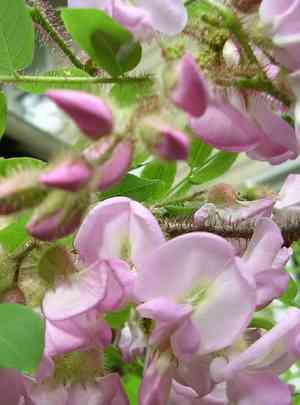
The distinct visual attributes of Bristly locust make it a prominent feature in any garden. The plant showcases vivid colors, ranging from soft pinks to deeper magentas, creating a striking contrast with its green leaves. Furthermore, the texture of Bristly locust varies from velvety soft blossoms to more rugged, spiky branches, offering a tactile experience that enhances the sensory appeal of your outdoor space.
Seasonal transformations: How Bristly locust changes throughout the year
A remarkable characteristic of Bristly locust is its capacity to evolve with the seasons. During spring and summer, it erupts in colorful blooms, providing a lush visual spectacle. As autumn approaches, its leaves may alter in color, presenting a different kind of beauty before winter arrives. By incorporating Bristly locust into your landscape, you can enjoy a dynamic and ever-changing garden that offers diverse aesthetic elements throughout the year.
Optimal Placement of Bristly Locust in Garden Design
Balancing light and shade: Ideal spots for development
Achieving the correct balance of sunlight and shade is vital for the healthy development of Bristly locust. Ideally, this plant flourishes in areas with partial to full sun exposure but can also endure some shade. Positioning Bristly locust where it receives morning sun and afternoon shade will ensure robust growth and abundant flowering. Avoid placing it in completely shaded areas, as this can impede its growth and diminish its visual impact.
Enhancing structures: Utilizing Bristly locust near walls, water features
Bristly locust can be effectively used to augment various structural elements in your landscape. For instance, planting it close to walls or fences can add depth and dimension to otherwise plain surfaces. Near water features like ponds or fountains, Bristly locust can establish a tranquil and picturesque setting. When positioned strategically, Bristly locust not only beautifies the area but also integrates seamlessly with the landscape's architecture.
Pairing Bristly Locust with Other Flora
Selecting compatible species: What thrives alongside Bristly locust
When considering companion plants for Bristly locust, choose species that complement its colors and textures. Plants with contrasting foliage, such as silver-toned ground covers or deep green evergreens, can accentuate the vibrant blooms of Bristly locust. Additionally, consider plants with similar cultivation requirements to ensure all your flora flourish together harmoniously. For example, pairing Bristly locust with plants that also prefer well-drained soil and partial sun will create a cohesive and thriving garden.
Fostering variety: Achieving visual impact through diverse plantings
Diversity is crucial for a visually appealing garden, and Bristly locust can play a central role in achieving this. By incorporating a variety of plants with different heights, colors, and textures, you can create a rich and dynamic landscape. Use Bristly locust as a focal point and surround it with low-growing shrubs and perennials to add layers and depth. This approach not only enhances visual interest but also promotes a healthier and more resilient ecosystem.
Care Guidelines for Maintaining Thriving Bristly Locust
Irrigation practices: Ensuring adequate soil moisture
Maintaining optimal soil moisture is crucial for the well-being of Bristly locust. While it is relatively drought-tolerant once established, consistent watering is necessary during its active growth period to keep the soil uniformly moist. Deep watering less frequently is more advantageous than light watering more often, as it encourages deeper root development. Always check the soil moisture level and adjust your watering schedule based on weather conditions and soil type.
Regular trimming schedules: Best practices for growth management and aesthetics
Pruning Bristly locust is essential for maintaining its form and promoting vigorous growth. The ideal time to prune is in early spring before new growth begins or after it has bloomed. Remove any dead or diseased branches and thin out congested areas to allow for improved air circulation. Regular pruning not only keeps Bristly locust looking neat and tidy but also encourages more prolific flowering, enhancing its aesthetic appeal.
Advantages of Bristly Locust in Landscaping
Environmental effects: Supporting local fauna and biodiversity
Bristly locust offers significant ecological benefits by supporting local wildlife and fostering biodiversity. Its flowers attract pollinators such as bees and butterflies, while its dense foliage provides refuge for birds and small mammals. By integrating Bristly locust into your landscape, you contribute to creating a habitat that supports a variety of species, enhancing the ecological health of your area.
Soil stabilization: How Bristly locust can safeguard your soil
Another notable advantage of Bristly locust is its capacity to control soil erosion. Its extensive root system helps stabilize the soil, preventing erosion on slopes and embankments. Planting Bristly locust in areas prone to erosion not only protects the landscape but also improves soil health. This makes Bristly locust an excellent choice for gardens and landscapes where erosion control is a priority.



