The Hidden Danger in Your Home? Unmasking the Toxicity of the Bristly locust Plant.
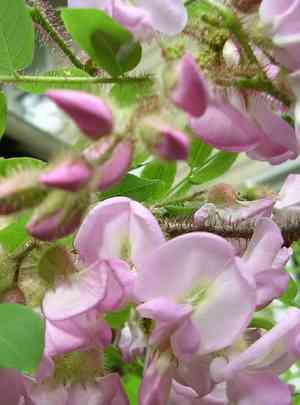
1
Bristly locust is mildly poisonous to felines and can cause health problems if consumed in significant amounts.
2
Every part of the bristly locust plant is toxic, posing a danger if a cat or dog eats any part of it.
3
Canine symptoms might encompass throwing up, loose stools, sluggishness, and excessive drooling after eating bristly locust.
Is Bristly locust toxic to cat?
Bristly locust presents a slight toxicity risk to felines and can cause health problems if consumed in significant amounts. Every part of the bristly locust is poisonous, posing a danger if a cat eats any part of it. Contact with bristly locust might lead to noticeable signs of discomfort or sickness in cats. Should a cat consume bristly locust, it's crucial to immediately get professional help at a vet clinic to lessen any possible negative impacts.
Is Bristly locust toxic to dog?
Bristly locust carries a low toxicity threat for canines. Although the plant isn't severely poisonous, consuming large quantities can result in poisoning. Dogs might be inclined to chew on any section of bristly locust, as all components are deemed toxic. Signs of poisoning in dogs could involve digestive upset, such as throwing up and loose stools, along with possible sluggishness or excessive drooling. If you suspect your dog has eaten bristly locust, it's essential to get immediate veterinary attention for appropriate treatment and symptom management.



