How Much Sunlight Do Bristly locust Need?
1
Bristly locust flourishes optimally when exposed to over six hours of direct solar radiation daily.
2
Despite its preference for abundant sun, Bristly locust can endure conditions of partial shade.
3
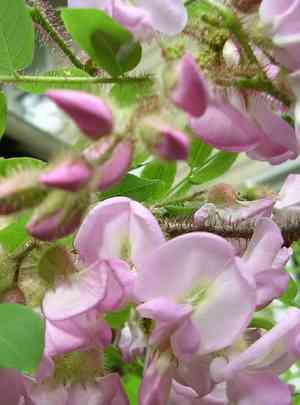
Sufficient light exposure aids this resilient shrub in producing striking pink blossoms.
Optimal Light Conditions for Bristly Locust
Full Sun Requirements
The Bristly locust thrives in full sun, meaning it benefits most from over six hours of direct solar exposure daily. Under these conditions, the plant develops healthier foliage and produces more abundant blooms. For peak growth, select a garden spot unhindered by trees, structures, or other obstructions.
Partial Shade Tolerance
Although full sun is perfect, the Bristly locust can also endure partial shade. In partial shade—defined as 3-6 hours of direct sun or filtered light throughout the day—the plant will still grow, though it may exhibit fewer flowers and less dense foliage. This adaptability makes it a versatile option for diverse garden environments.
How to Recognize Sunlight Stress in Bristly Locust?
Signs of Insufficient Sunlight
If your Bristly locust isn't receiving adequate sunlight, you might observe elongated stems and sparse leaves. The plant may appear leggy as it extends towards light sources. Foliage could become pale green or yellow, signaling diminished photosynthesis. Reduced flowering is also a frequent indication of insufficient solar exposure.
Symptoms of Excessive Sunlight Exposure
Conversely, too much sunlight can also harm your Bristly locust. Indicators of overexposure to sun may include scorched or brown leaf edges, wilting, or drooping leaves despite sufficient watering. If these symptoms are noticed, providing some shade during the day's hottest period might be beneficial.
Tips to Maximize Sunlight Exposure for Bristly Locust
Optimal Planting Locations
Select a site that gets abundant sunlight throughout the day. Ideally, southern or western orientations offer the maximum light necessary for vigorous growth. Avoid planting near large trees or buildings that could cast prolonged shadows.
Using Mulch and Ground Cover
Applying mulch around your Bristly locust aids in retaining soil moisture and regulating soil temperature, lessening the impact of intense sun exposure. Organic mulches like bark chips or compost are excellent choices. Ground covers can also be used to safeguard the soil and roots, providing an additional layer of defense against extreme sunlight.
Pruning for Enhanced Sunlight Penetration
Regular pruning assists in shaping the plant and ensuring that sunlight reaches all sections of the Bristly locust. Remove any dead or overcrowded branches to allow light to filter through the foliage. Pruning should be carried out annually, preferably in late winter or early spring, before new growth commences.
Frequently Asked Questions About Bristly Locust Sunlight Needs
Can Bristly Locust Grow Indoors?
No, the Bristly locust is not suitable for indoor cultivation due to its requirement for ample sunlight and space. It is best grown outdoors where it can receive full sun and spread naturally.
What is the Best Season for Planting Bristly Locust?
The ideal time to plant Bristly locust is during early spring or fall. These seasons provide moderate temperatures and give the plant sufficient time to establish its roots before the intense heat of summer or the cold of winter.



