How to Prune Bristly locust?
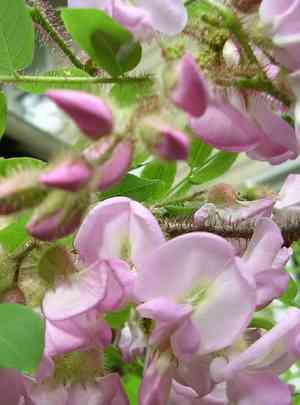
This spiny, leaf-shedding bush, characterized by its pea-shaped blossoms and prickly seed casings, thrives with judicious trimming to sculpt its form, manage its expansion, and foster abundant flowering. The perfect period for pruning bristly locust is from late spring to early summer, following its flowering cycle, to prevent the removal of the subsequent year's flower buds. Eliminating aged branches and eradicating basal shoots helps sustain the plant's robustness. Such trimming can stimulate fresh development, resulting in a more compact appearance and an increased number of flowers, thereby elevating the aesthetic appeal of bristly locust.
What Are the Benefits of Pruning Bristly Locust?
What Are the Benefits of Pruning Bristly Locust?
Trimming bristly locust promotes abundant flowering by reallocating energy towards bloom production, and aids in preventing infestations by eliminating weak or diseased parts that can harbor pests and illnesses.
What Is the Best Time for Pruning Bristly Locust?
What Is the Best Time for Pruning Bristly Locust?
Late spring and early summer are considered ideal for trimming bristly locust due to factors related to its growth cycle and health. In late spring, bristly locust has typically finished its main blooming period, making it a good time to trim and shape without losing flowers. Pruning after flowering allows for removal of spent blooms and encourages new growth. Early summer offers mild weather, reducing plant stress from extreme temperatures. This is also an active growth period, so the plant recovers quickly and directs energy to new shoots and branches. Additionally, pruning during these seasons helps prevent diseases, as wounds heal faster due to active growth, and dry weather minimizes pathogen spread.
What Tools Do I Need to Prune Bristly Locust?
Hand pruners
Perfect for making precise cuts on bristly locust's smaller branches, typically under 1 inch in diameter, which supports healthy regrowth and shaping.
Loppers
Offer leverage for cutting through bristly locust's branches between 1 and 2 inches thick, essential for managing shape and removing larger damaged or diseased growth.
Pruning saw
Crucial for cutting through bristly locust's mature branches over 2 inches in diameter, allowing removal of thick growth without harming the plant.
Hedge shears
Useful for shaping bristly locust when grown as a hedge or for formal appearances, enabling even trimming of young, soft shoots.
Safety gear
Includes gloves and eye protection to prevent injury from bristly locust's bristles during pruning.
How to Prune Bristly Locust
Clean Cut
Using sharp, sanitized pruning shears, make a clean cut to remove any diseased or withered leaves from bristly locust, being careful not to tear or damage healthy tissue.
Dead Removal
Identify dead and diseased branches on bristly locust and cut them where they meet healthy wood, ensuring a smooth surface for effective healing.
Withered Flowers
Trim off any faded flowers on bristly locust to encourage new growth and improve air circulation within the plant. Snip flower stalks back to the base or to a new outward-facing bud.
Thinning Growth
For excessive growth branches that may be crowding bristly locust, thin them by pruning back to a lateral branch or bud to create an open, vase-shaped structure for better light penetration and air flow.
Maintenance
Inspect bristly locust after pruning for any remaining unwanted growth and make additional selective cuts as needed to maintain an aesthetically pleasing and healthy plant shape.
Common Pruning Mistakes with Bristly Locust
Over-Pruning
Cutting back bristly locust too severely can shock the plant, hinder its growth, and reduce flowering.
Improper Cuts
Making jagged or torn cuts, or cutting too far from the bud, can invite diseases and pests while impeding proper healing.
Using Dull Tools
Pruning with dull shears can damage branches, creating larger wounds susceptible to infection.
Neglecting Disease Management
Failing to sanitize tools between cuts, especially when dealing with diseased branches, can spread pathogens throughout bristly locust.
Pruning Without A Plan
Random or excessive cuts can lead to an unbalanced structure, making bristly locust more vulnerable to damage from wind or weight.
Common Pruning Tips for Bristly Locust
Selective Thinning
Remove only essential branches to maintain an open, healthy structure without compromising bristly locust's natural shape.
Prune For Rejuvenation
Cut back some older stems to ground level to stimulate fresh growth and more vibrant blooms.
Sharp Tools
Use clean, sharp pruning shears or loppers to make precise cuts that will heal quickly and reduce stress on bristly locust.
Cut At An Angle
Make angled cuts above buds or branching points to direct new growth and allow water to drain off the cut surface.
Preserve New Growth
Avoid cutting back current year's growth, as this is where bristly locust will bloom. Focus on removing dead, damaged, or crossing branches.



