How to Transplant Clamshell orchid?
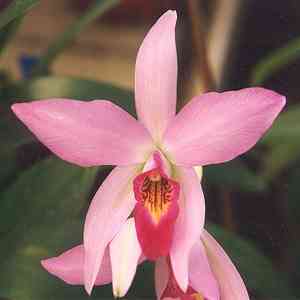
The optimal period for relocating clamshell orchid is from early to mid-spring, leveraging the advantages of rising temperatures and revitalized soil. Select a site offering adequate drainage, dappled sunlight, and shelter from chilly air currents. Exercise caution with the root system to guarantee a prosperous relocation.
What Preparations are Needed Before Transplanting Clamshell Orchid?
What is the Ideal Time for Transplanting Clamshell Orchid?
For clamshell orchid, I'd recommend transplanting during the rejuvenating period of early to mid-spring, it's beneficial due to the warmer temperature and lengthy daylight. This period ensures optimal growth and a healthier clamshell orchid.
How Much Space Should You Leave Between Clamshell Orchid Plants?
For clamshell orchid, it's best to space your transplants 12-18 inches (30-45 cm) apart, giving the plants ample room to grow and spread their roots.
What is the Best Soil Mix for Clamshell Orchid Transplanting?
Before transplanting clamshell orchid, prepare a well-draining soil mix with a balanced pH. Add a slow-release base fertilizer to promote strong and healthy growth.
Where Should You Relocate Your Clamshell Orchid?
Choose a location for your clamshell orchid that receives bright, indirect sunlight, as direct sunlight may damage the leaves or flowers of the plant.
What Equipments Should You Prepare Before Transplantation Clamshell Orchid?
Gardening Gloves
To protect your hands while working with the soil and clamshell orchid plant's roots.
Trowel
This will help in digging the soil around the plant and in the new planting area.
Watering Can
To water the plant before and after transplanting.
Spade or Shovel
This is needed for digging the new planting hole for clamshell orchid.
Burlap Cloth
To wrap the clamshell orchid root ball during transportation. It keeps the rootball intact and prevents root exposure to sunlight.
Pruning Shears
For pruning any damaged roots during the transplantation.
How Do You Remove Clamshell Orchid from the Soil?
How Do You Remove Clamshell Orchid from the Soil?
From Ground: First, water the clamshell orchid plant adequately to moisten the soil. Then, using a trowel, dig a wide circle around the plant, ensuring the plantâs root ball remains intact. Carefully work the trowel under the root ball to lift the clamshell orchid plant. After that, quickly wrap the root ball with the burlap cloth to protect it.From Pot: If the clamshell orchid plant is in a pot, water it well ahead of transplanting. Tip the pot sideways and gently tap or shake it to loosen the soil around the edges. Carefully pull the plant from the pot while supporting the base.From Seedling Tray: If clamshell orchid is a seedling, moisten the soil in the tray. Gently hold the base of the clamshell orchid seedling and lift it out, making sure to keep as much original soil around the roots as possible.
Step-by-Step Guide for Transplanting Clamshell Orchid
Preparing the New Location
Dig a hole that is twice as wide as the root ball of the clamshell orchid plant and of the same depth.
Placing the Plant
Place the clamshell orchid plant in the center of the hole. Make sure the top of the root ball is level with or slightly above the surrounding soil to encourage water drainage.
Refilling Soil
Backfill the hole with soil. Lightly compact the soil around the base of the plant.
Watering
Water the clamshell orchid plant thoroughly, ensuring that the soil has settled around the roots.
How Do You Care For Clamshell Orchid After Transplanting?
Regular Maintenance
Continue to water clamshell orchid regularly but with lesser frequency as the plant gets established. The aim is not to keep the soil excessively wet but of adequate moisture.
Protection
Protect young clamshell orchid plants from wind and extreme temperatures which can cause dehydration. You may use a plant cover or establish a windbreak if necessary.
Pests Monitoring
Keep an eye for pests or diseases which might attack clamshell orchid, especially during the initial weeks after transplantation. If any distress signs are noticed, address them with appropriate solutions.
Pruning
Prune any dead, dying or unhealthy portions of the plant to encourage better growth.
Troubleshooting Common Issues with Clamshell Orchid Transplantation.
When is the best time to transplant clamshell orchid?
It's best to transplant clamshell orchid from the start of spring until the middle of the season, as it fosters healthy growth.
What is the ideal distance between each clamshell orchid when transplanting?
For successful growth, provide a space of 12-18 inches (30-45 cm) between each clamshell orchid to allow room for growth.
What should I consider about clamshell orchid's root system during transplanting?
When transplanting, be careful to not damage clamshell orchid's roots. A gentle handling will ensure healthier growth post-transplant.
What type of soil suits clamshell orchid best while transplanting?
Transplant clamshell orchid in a well-draining soil. It dislikes soggy conditions and appreciates soil rich in organic matter.
How deep should I plant the clamshell orchid?
The clamshell orchid should be planted at the same depth it was at its previous site. This can alleviate potential stress.
What kind of aftercare does clamshell orchid require post-transplant?
Water clamshell orchid thoroughly immediately after transplanting. Gradually decrease watering rates as the plant establishes.
Should I fertilize clamshell orchid after transplanting, and if so, when?
Hold off on fertilizing clamshell orchid right away to avoid burning the roots. Start fertilizing 2-3 weeks post-transplant.
What are the signs of successful transplantation for clamshell orchid?
Signs of successful transplantation for clamshell orchid includes new leaf growth and steady state of the plant post transplant.
Why are the leaves of my transplanted clamshell orchid turning yellow?
Yellow leaves could mean overwatering. Adjust your watering routine. Clamshell orchid prefers to dry out slightly between waterings.
Does clamshell orchid need a specific amount of sunlight after transplanting?
Yes, clamshell orchid enjoys partial sunlight to partial shade. Direct sun after transplanting may cause leaf scorching.



