How to Propagate Clamshell orchid?
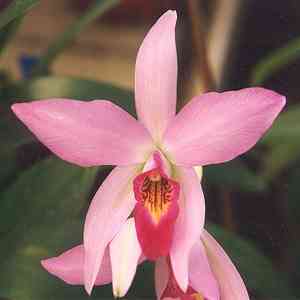
The most suitable periods for multiplying clamshell orchid are in Spring and Autumn, mainly by separating the plant. This propagation method can be somewhat difficult; the emergence of new shoots signifies successful propagation. Ensuring adequate humidity levels can improve the chances of successful propagation.
Optimal Time for Clamshell Orchid Propagation
Propagation Method
Splitting
Propagation Period
Spring, Fall
Tools Required for Clamshell Orchid Propagation
Sterile cutting tools (e.g., pruning shears, scalpels)
These implements are essential for severing the rhizome of clamshell orchid during division without causing undue harm. Sterilization prevents disease transmission, while sharp tools ensure clean cuts for better healing.
Disinfectant (e.g., isopropyl alcohol, bleach solution)
Applying disinfectants to clean cutting tools before and after use minimizes the risk of introducing pathogens to clamshell orchid. This practice is crucial for maintaining plant health and promoting successful propagation.
Cleaning brushes and cloths
These are utilized to keep the workspace and containers free from debris and potential sources of infection. Proper tool and surface hygiene is vital for the health of clamshell orchid when taking cuttings or handling divisions.
Clear plastic bags or humidity domes
Providing high humidity conditions after propagation is critical for clamshell orchid's cuttings or divisions to develop new roots. Clear bags or domes allow light while maintaining moisture levels conducive to growth.
Potting medium (e.g., bark-based orchid mix)
A well-draining yet moisture-retentive potting mix is ideal for clamshell orchid divisions to root. It supports delicate new growth and allows air to reach the roots, which is vital for orchid health.
Shallow pots or containers
Clamshell orchid prefers shallow pots that accommodate its relatively small root system. Using appropriately sized containers ensures the potting medium dries out properly, reducing the risk of root rot.
Labels and markers
Labeling containers with information such as the propagation date and plant identifiers helps track growth progress and any specific care needs for each clamshell orchid division. It's a simple yet effective management tool.
How to Propagate Clamshell Orchid?
Propagation Type
Division
Difficulty Level
Easy
Caring for Your Newly Propagated Clamshell Orchid
Caring for Your Newly Propagated Clamshell Orchid?
Position new pots in a warm, humid environment with bright, indirect light. Water regularly only when the top inch of potting mix feels dry. Maintain high humidity and good air circulation around clamshell orchid. Fertilize clamshell orchid with a balanced orchid fertilizer monthly during active growth. Monitor for signs of stress and adjust care as needed to encourage healthy development.
Common Errors to Avoid When Propagating Clamshell Orchid
Overwatering
Gardeners often overestimate the water requirements of clamshell orchid, leading to root rot and fungal diseases. These plants need periods of drying between watering.
Inadequate lighting
Clamshell orchid does not flourish in low light conditions. Insufficient light can result in weak growth and a lack of flowering, which negatively impacts the plant's overall vigor and photosynthetic capability.
Poor air circulation
Confined environments with minimal airflow can create conditions conducive to pest infestations and diseases. Clamshell orchid requires good air movement to maintain healthy foliage and prevent issues like rot and mildew.
Incorrect potting medium
Using soil or a non-orchid potting medium can lead to waterlogging and insufficient drainage, negatively impacting the roots and growth of clamshell orchid.
Tips For Propagating Clamshell Orchid
Division
Propagate clamshell orchid during repotting by gently separating the pseudobulbs, ensuring each division has at least one eye. This promotes healthy new growth.
Sterile tools
Always use sterilized cutting tools to prevent disease spread when dividing clamshell orchid. Contaminated tools can introduce pathogens that compromise plant health.
Adequate humidity
Maintain a high humidity level around clamshell orchid to support the establishment of new divisions, mimicking their natural humid environment.
Proper potting
Use a well-draining orchid-specific potting medium and containers with adequate drainage to promote a healthy root system for clamshell orchid.



