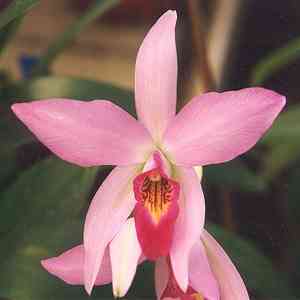
Clamshell orchid (Prosthechea cochleata)
Also known as: Encyclia cochleata, Epidendrum cochleatum
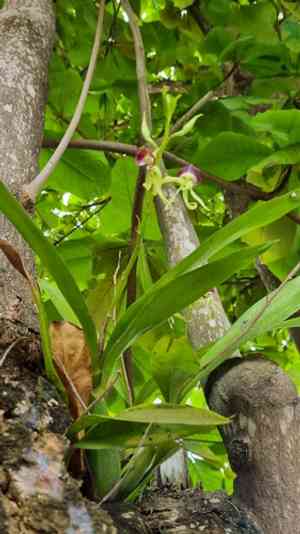
Clamshell orchids are cherished for their consistent blooming and unique clamshell-shaped flowers with dangling yellow petals. They come in a variety of vibrant colors and patterns. To thrive, these orchids need bright, indirect light and high humidity levels. Ensure they have good air circulation and water them regularly, allowing the potting medium to dry out slightly between waterings. Use a well-draining orchid mix and feed them monthly with a balanced orchid fertilizer during their growing season. Maintain temperatures between 60-80°F (15-27°C) for optimal growth.
In This Article
Attributes of Clamshell orchid
Lifespan
Perennial
Plant Type
Herb
Plant Height
30 cm to 46 cm
Spread
15 cm
Leaf Color
Green
Flower Size
8 cm to 10 cm
Flower Color
Green Purple Yellow Brown
Images of Clamshell orchid
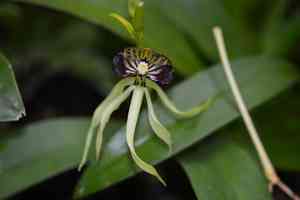
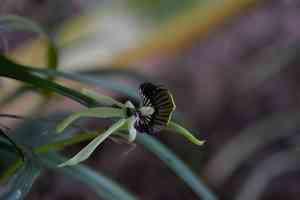
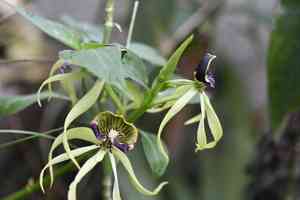
Quickly Identify Clamshell orchid
1
Look for its distinctive clam-shaped flowers with dark purple lips and pale green sepals. The plant typically grows on trees and has long, arching leaves.
Scientific Classification of Clamshell orchid
Phylum
Vascular plants
Class
Monocotyledons
Order
Asparagales
Family
Orchid
Genus
Appendage orchids
Species
Clamshell orchid
Planting and Growing of Clamshell orchid
Care Difficulty
Easy
Watering Schedule
Every 6 days
Sunlight Requirements
Partial sun
Sunshine Duration
4-8 hours
Ideal Temperature
65-80℉
Soil Type
Potting Mix, Peat Mix
Soil pH
6.5-7.5
Fertilizer Type
Balanced
Pruning Season
Spring, Summer
Pruning Area
Branches, Leaves
Pruning Frequency
2 times a year
Repotting Season
Spring
Pot Type
Plastic, Ceramic
 How to Water Clamshell orchid?
Prosthechea cochleata prefers its roots to be moist but not waterlogged. Water with approximately 150 ml per session, ensuring complete saturation of the substrate without standing water.
More About Watering Techniques→
What are the symptoms of an underwatered Clamshell orchid?
›
What should I do if my Clamshell orchid is not getting enough water?
›
What are the symptoms of an overwatered Clamshell orchid?
›
How to save an overwatered Clamshell orchid?
›
 What Are the Sunlight Requirements for Clamshell orchid?
Prosthechea cochleata thrives in partial shade to filtered sun environments, with the best results occurring in indirect light. Ideal lighting promotes lush foliage and vibrant bloom colors, enhancing both growth and plant resilience.
More About Sunlight Requirements Techniques→
What is the ideal lighting for Prosthechea cochleata?
›
How can I adjust the lighting for indoor Prosthechea cochleata?
›
What benefits does proper lighting have on Prosthechea cochleata?
›
 What Is the Ideal Temperature Range for Clamshell orchid?
Prosthechea cochleata thrives in temperatures between 65°F to 80°F. This range supports optimal growth and flowering, imitating its natural tropical habitat. Maintaining this temperature range contributes to vigorous health and vibrant blooms.
 What Soil is Best for Clamshell orchid?
Prosthechea cochleata thrives in well-drained soil to prevent root rot, which is a common problem in plants grown in overly saturated conditions. Well-drained soil allows the roots to breathe and facilitates proper nutrient absorption. The soil should retain some moisture but not become waterlogged. This balance ensures that the plant remains hydrated without being susceptible to diseases related to excessive moisture. Utilizing a soil mix enriched with organic matter, such as compost, can provide essential nutrients necessary for healthy growth and vibrant blooms.
More About Soil→
 How to Fertilize Clamshell orchid?
For Prosthechea cochleata, a balanced fertilizer with an N-P-K ratio of 20-20-20 applied at one-quarter strength is ideal. Mix approximately 1/4 teaspoon of fertilizer per gallon of water for optimal absorption without overwhelming the plant.
More About Fertilizing Techniques→
 How to Prune Clamshell orchid?
Look for shriveled, brown pseudobulbs and cut them away at the base with clean scissors. This helps direct energy to healthy parts and encourages new growth. After blooming, remove the faded flower spikes close to the pseudobulbs. This prevents the plant from wasting energy on dead spikes and encourages quicker rebloom.
More About Pruning Techniques→
 How to Propagate Clamshell orchid plant?
1
Choose a healthy, mature Prosthechea cochleata plant free from diseases as your parent plant for division or tissue culture. This ensures that the divisions or cultures have a higher chance of thriving.
2
Carefully remove the plant from its pot and gently shake off excess soil. Use a sterile knife to cut the rhizomes, making sure each division has roots and pseudobulbs. This helps each division establish more effectively.
3
For tissue culture, prepare a sterile environment and follow aseptic techniques. Excise a small piece of tissue from the plant and place it into a culture medium. This allows for mass propagation under controlled conditions.
 How to Repot Clamshell orchid plant?
1
Prosthechea cochleata should be repotted when its roots start to outgrow the current pot, usually seen as roots sprawling over the edge. Another indicator is when the growing medium starts to break down and decompose, restricting drainage and air flow.
2
Select a pot that allows sufficient room for growth but is not overly large. A snug fit ensures that the roots have just enough space to grow, preventing water pooling and promoting healthier plant development. Ideally, choose pots with plenty of drainage holes to prevent root rot.
3
Opt for a well-draining orchid mix composed of bark, sphagnum moss, and perlite. This mixture ensures adequate drainage and air flow, mimicking the plant's natural habitat. Such a soil mix will help prevent over-watering issues, offering the robustness Prosthechea cochleata needs to thrive.



