How to Overwinter Clamshell orchid
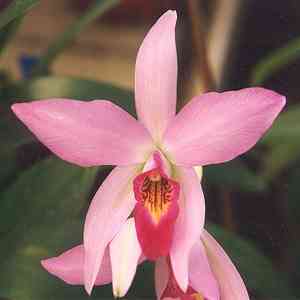
1
Clamshell orchid thrives in temperatures between 12â24°C (55â75°F) in the colder months.
2
Keep the humidity for your Clamshell orchid within the 50-70% range.
3
Check your orchid every week for any indications of pests or illnesses throughout winter.
Importance of Overwintering Clamshell orchid
Why is Overwintering Clamshell orchid Important?
The Clamshell orchid (Prosthechea cochleata) is a delicate plant, meaning it lacks frost hardiness and requires protection during colder periods. Overwintering guarantees your orchid's survival and ensures it flourishes to produce beautiful blooms in the subsequent growing season. Appropriate winter care emulates the orchid's natural environment, preventing stress that could lead to illness or hindered development.
Preparing Clamshell orchid for Winter Dormancy
Checking for Pests and Diseases
Prior to bringing your orchid indoors, thoroughly inspect for any indications of pests like spider mites, aphids, or mealybugs. Look for discolored, sticky, or damaged foliage. Addressing these problems early prevents their spread and ensures your plant remains healthy throughout winter.
Repotting if Necessary
If your Clamshell orchid has outgrown its container or the potting mix is deteriorating, consider repotting before winter. Utilize a well-draining orchid substrate to provide sufficient aeration and support for the roots. Repotting should be performed carefully to minimize stress.
Adjusting Watering Schedule
Reduce the frequency of watering as your Clamshell orchid enters its dormant phase. Excessive watering can lead to root rot. Wait until the top layer of the medium is dry before watering again. Generally, watering once every 10-14 days may suffice.
Modifying Fertilizer Use
Decrease or cease fertilizing your orchid during winter. The plant's growth slows, and an excess of nutrients can accumulate, causing root damage. If you choose to fertilize, do so sparingly with a balanced orchid fertilizer.
Optimal Indoor Conditions for Clamshell orchid During Winter
Optimal Temperature Range
Maintain indoor temperatures between 12â24°C (55â75°F) for your Clamshell orchid. Avoid exposing it to temperatures below 10°C (50°F) as this can cause harm.
Maintaining Enough Humidity
Clamshell orchids thrive in high humidity. Aim to keep humidity levels around 50-70%. Use a humidifier or place a tray of water near the plant to maintain moisture in the air.
Ensuring Proper Light Exposure
Provide bright, indirect light. Position your orchid near an east or west-facing window to ensure it receives adequate light without direct sun exposure, which can scorch the leaves.
Watering Practices for Overwintering Clamshell orchid
How Often Should You Water?
Water your Clamshell orchid less frequently in winter. The precise interval can vary, but a general guideline is every 10-14 days. Ensure the medium dries out slightly between waterings.
Signs of Overwatering and Underwatering
Overwatering can cause roots to decay, leading to yellowing leaves and a soft base. Underwatering, conversely, may result in shriveled leaves and stunted growth. Adjust your watering schedule based on these indicators and the specific needs of your orchid.
Common Winter Issues and Their Solutions
Dealing with Yellowing Leaves
Yellowing leaves can indicate several problems, including overwatering, insufficient light, or nutrient deficiencies. Assess the conditions and adjust watering and light exposure accordingly. Remove any dead or severely damaged leaves to prevent decay.
Preventing Root Rot
Root rot is a common problem caused by excessive watering or poor drainage. Ensure your orchid is potted in a well-draining medium and adjust your watering frequency. If rot is detected, trim the affected roots and repot the plant.
Managing Pest Infestations
Regularly inspect your Clamshell orchid for pests. Use insecticidal soap or neem oil to treat infestations. Isolate affected plants to prevent spread to other houseplants.



