How to Prune Clamshell orchid?
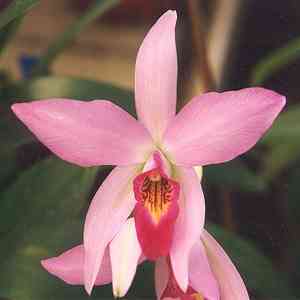
This unique orchid, featuring upward-curving petals reminiscent of a clamshell, flourishes with very little trimming. Only eliminate deceased or ailing pseudobulbs and faded flower stalks. Trimming can be performed at any point, consistent with its year-round growth pattern. Strategic pruning deters illness and fosters vigorous development and flowering. Disinfect instruments between each cut to safeguard the clamshell orchid's well-being.
What Are the Benefits of Pruning Clamshell Orchid?
What Are the Benefits of Pruning Clamshell Orchid?
Trimming clamshell orchid promotes more robust development, encourages blooming, and helps maintain an appealing form. It enables clamshell orchid to channel energy into producing vibrant flowers and lush leaves, enhancing its decorative value and vitality.
What Is the Best Time for Pruning Clamshell Orchid?
What Is the Best Time for Pruning Clamshell Orchid?
Pruning or trimming clamshell orchid can be done at any point in the year, given its continuous growth pattern. As clamshell orchid is an epiphytic orchid, it lacks a traditional dormant phase and grows and blooms intermittently. Pruning as needed helps sustain the plant's health by removing dead or diseased foliage and can foster a better shape and more vigorous growth. However, pruning right after a flowering cycle can stimulate new growth and potentially new blooms. Seasonal factors, such as extreme heat or cold, should be considered to avoid stressing the plant. During very high or low temperatures, light pruning is advised over heavy trimming to ensure the plant's resources are not overly depleted.
What Tools Do I Need to Prune Clamshell Orchid?
Sharp Scissors
For precise and clean cuts on slender stems and spent flower stalks, which is crucial to prevent harm to clamshell orchid's delicate tissues.
Sterilizing Agent
To prevent the spread of illness, tools must be disinfected before and after use on clamshell orchid. Alcohol wipes or a bleach solution can be utilized for sterilization.
Small Pruning Shears
Clamshell orchid might occasionally require the removal of thicker stems or pseudobulbs. Small pruning shears can provide the necessary leverage without causing undue stress to the plant.
Fine Tweezers
To remove any dead or dying leaves, especially in the confined spaces between clamshell orchid's leaves and pseudobulbs, fine tweezers can be employed for detailed work without harming the plant.
Gloves
To safeguard the gardener's hands from any potential irritants and to offer a better grip on the tools when pruning clamshell orchid.
How to Prune Clamshell Orchid
Step1: Identifying Components to Prune
Determine which parts of clamshell orchid need pruning. Look for withered flowers, damaged stems, and drooping leaves. These are common areas that require trimming to maintain plant health and encourage new development.
Step2: Preparing Pruning Instruments
Ensure you have the correct tools for the task. Use a pair of clean, sharp scissors or pruning shears. Sanitize your tools with rubbing alcohol or a 10% bleach solution to prevent disease transmission.
Step3: Dead Flower Removal Technique
Start with dead flowers. Carefully snip the flower spike near its base, above the node where a new flower might emerge. Be careful not to harm adjacent blooms or the main stem.
Step4: Damaged Stem Cutting Method
Proceed to damaged stems. Cut the stem back to a healthy section, ensuring a clean cut just above a node or a pseudobulb. Avoid leaving stubs as they can attract pests and diseases.
Step5: Wilting Leaf Trimming Process
Trim wilting leaves by removing the entire leaf. Cut as close to the base as possible, without damaging the pseudobulb. Yellow or diseased leaves should be removed to enhance the overall health and appearance of clamshell orchid.
Step6: Pruning Debris Disposal
Properly dispose of all cuttings to prevent any potential disease from spreading in your garden.
Step7: Post-Pruning Hydration
After pruning, thoroughly water your clamshell orchid if the soil is dry. Orchids need a balance of moisture, so be sure not to overwater.
Step8: Observing Plant Recovery and Growth
Monitor your clamshell orchid after pruning for signs of new growth or any issues. Proper aftercare will ensure the plant remains healthy and continues to produce vibrant flowers.
Post-Pruning Care for Clamshell Orchid
Post-Pruning Care for Clamshell Orchid
Following pruning of clamshell orchid, immediately decrease watering to allow cuts to heal, preventing rot. Place clamshell orchid in filtered light, maintaining 40-60% humidity, and temperatures of 60-85°F to promote healthy growth. Resume a balanced fertilizer at 1/4 strength weekly. Watch for wilting, discoloration, or signs of infection at the cuts; if present, isolate clamshell orchid and treat with a fungicide. Ensure ample air circulation around the plant to aid in healing and vigor.
Common Pruning Mistakes with Clamshell Orchid
Unnecessary Pruning Reduces Plant Vigor
Trimming clamshell orchid when it's not required can be harmful, as this might remove healthy growth and diminish the plant's vitality.
Avoid Cutting Close to Pseudobulbs or Live Growth
Cutting too near the pseudobulbs or living growth can injure the plant. Leaving a small stem stub is often safer.
Risk of Disease with Unsterilized Pruning Tools
Using unsterilized cutting implements can introduce pathogens and illnesses to clamshell orchid, jeopardizing its health.
Excessive Foliage Removal Stresses the Plant
Removing too much foliage at once can stress clamshell orchid, potentially hindering its ability to photosynthesize effectively and grow.
Do Not Remove Healthy Growth Unnecessarily
Failing to remove only the dead or diseased parts may lead to the needless loss of potentially healthy growth areas that could contribute to clamshell orchid's overall well-being.
Common Pruning Tips for Clamshell Orchid
Use Sharp, Sterilized Tools for Clean Cuts
Always use sharp, sterilized pruning tools to ensure clean cuts and to minimize the risk of infection to clamshell orchid.
Remove Dead Leaves to Enhance Airflow
Focus on removing dead or yellowing leaves by cutting them off at the base to promote better air circulation and decrease the risk of fungal infection.
Prune Spent Flower Spikes After Wilting
Prune away any spent flower spikes close to the base, but only after the flowers have withered and died to encourage the growth of new ones.
Carefully Trim Diseased Roots During Repotting
Carefully trim away any diseased or rotting roots during repotting to maintain the health of clamshell orchid, taking care not to damage healthy roots.
Gradually Trim for Shape to Avoid Shock
If you need to trim back excessive growth to shape the plant or manage its size, do so gradually over time rather than all at once to reduce shock to clamshell orchid.



