Optimal Soil for Growing Clamshell orchid: What You Need to Know
1
Clamshell orchids thrive in soil with a pH between 6.5 and 7.5, providing optimal growing conditions.
2
A well-draining and moisture-retentive mix is favored by Clamshell orchids, with bark and sphagnum moss being ideal components.
3
Pre-sterilizing your potting medium can avert typical pest issues and foster a robust habitat for your orchid.
Optimal Substrate for Clamshell Orchids
Epiphytic Growing Medium Needs
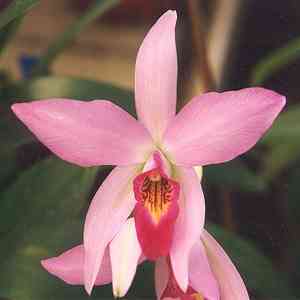
The Clamshell orchid (Prosthechea cochleata) is an epiphyte, meaning it naturally grows on other plants, usually trees. Unlike ground-dwelling plants, epiphytes absorb nutrients from the air and decaying organic matter nearby. For your Clamshell orchid, this implies that a highly porous potting mix is crucial. The medium should mimic its natural environment, allowing air to circulate around the roots to prevent decay. A blend that offers both support and ventilation, such as orchid bark, is perfect.
pH Level and Nutrient Content
For peak development, Clamshell orchids thrive in a substrate pH range of 6.5 to 7.5. Maintaining the correct pH is vital as it impacts the plant's ability to absorb nutrients. A neutral to slightly acidic medium ensures essential nutrients are readily available to the plant. Periodically check the substrate pH and amend it if needed with materials like limestone to increase pH or sulfur to decrease it. Additionally, incorporating a balanced orchid feed can keep your plant robust and vibrant.
Ideal Substrate Compositions for Clamshell Orchids
Bark-Based Substrates
Bark-based mixes are highly recommended for Clamshell orchids. These blends typically contain fir bark, which provides excellent drainage and aeration. The coarse texture of the bark allows air to flow around the roots, which is critical for preventing rot and ensuring the orchid stays healthy. You can find these specially formulated orchid mixes at most garden centers or create your own by combining medium-sized bark pieces with other components like charcoal and perlite.
Sphagnum Moss and Its Advantages
Sphagnum moss is another vital element of a good orchid mix. This moss helps retain moisture without becoming waterlogged, an important characteristic for Clamshell orchids. Sphagnum moss also possesses natural antimicrobial properties, which can help prevent root diseases. When utilizing moss, it's crucial to monitor moisture levels and avoid overwatering. Excessively wet conditions can still lead to issues, even with the benefits moss provides.
Charcoal and Perlite Additions
Incorporating charcoal and perlite into your orchid potting mix can greatly benefit Clamshell orchids. Charcoal aids in drainage and absorbs toxins, keeping the substrate fresh and healthy. Perlite, a volcanic glass, is lightweight and porous, enhancing aeration and soil structure. These additions ensure that the potting mix remains loose, drains effectively, and provides the necessary support for healthy root development. A balanced mix might include 3 parts bark, 1 part sphagnum moss, and 1 part each of charcoal and perlite.
How to Prepare Substrate for Clamshell Orchids
Step-by-Step Substrate Preparation
Preparing the ideal potting mix for your Clamshell orchid involves several steps:Gather your components: orchid bark, sphagnum moss, charcoal, and perlite.Combine 3 parts orchid bark with 1 part sphagnum moss, 1 part charcoal, and 1 part perlite.Submerge the mixture in water overnight to saturate it, then drain thoroughly.Ensure the mix is damp but not saturated before using it to pot your orchid.This preparation guarantees that the potting mix is ready to support the unique requirements of your Clamshell orchid.
Sterilization and Pest Prevention
Sterilizing your potting mix before use can significantly reduce the risk of pests and diseases. To sterilize, bake the bark, moss, charcoal, and perlite at 180°F (82°C) for 30 minutes. This process eliminates any harmful bacteria, fungi, and pests. Additionally, always inspect new plants and maintain cleanliness to prevent pest infestations. Regularly checking your orchids for signs of trouble can help you address issues before they become serious problems.
Common Substrate Issues and Solutions for Clamshell Orchids
Poor Drainage Problems
Inadequate drainage is a common issue that can lead to root rot in Clamshell orchids. Ensure that your potting mix is well-draining by using a high-quality orchid bark blend and other aerating components. Avoid overly compacting the substrate and choose a pot with ample drainage holes. If you notice water accumulating at the bottom of the pot, it indicates a need to improve drainage or re-pot with a superior mix.
Fungal and Bacterial Infections
Fungal and bacterial infections can arise from excessively moist and poorly drained substrate. To prevent these issues, maintain a balance in watering and allow the substrate to dry slightly between waterings. Using sterilized substrate and pots helps reduce the risk of infections. If an infection occurs, remove affected areas of the plant and treat with an appropriate fungicide or bactericide. Ensuring good air circulation around the plant can also help prevent these problems.
Nutrient Deficiencies
Nutrient deficiencies can manifest as yellowing foliage, stunted growth, or lack of blooming. Regularly feeding your Clamshell orchid with a balanced orchid fertilizer can prevent this. Follow the recommended dosage on the fertilizer package, typically a diluted solution applied every few weeks. Monitor the pH level of your substrate to ensure nutrients are available to the plant, adjusting as needed to maintain the 6.5 to 7.5 range.



