Optimal Fertilizer for Growing Clamshell orchid: What You Need to Know
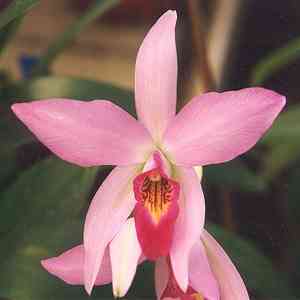
1
Clamshell orchids flourish with a balanced 20-20-20 nutrient solution.
2
Nourish your Clamshell orchid bi-weekly throughout the summer period.
3
Exercise care to avoid excessive fertilization; it may lead to root damage and injure your Clamshell orchid.
Understanding the Nutritional Needs of Clamshell orchid
The Importance of Proper Nutrition for Blooming and Growth
Appropriate nourishment is crucial for your Clamshell orchid to flourish and produce its stunning, distinctive flowers. Orchids, in general, possess specific dietary requirements that, when met, lead to vigorous growth and frequent flowering cycles. The correct nutrients are vital for photosynthesis, root development, and overall plant vitality. By ensuring your Clamshell orchid receives balanced nutrition, you will help it maintain strength and yield its charming, shell-like blossoms.
Key Nutrients Required by Clamshell orchid
For your Clamshell orchid to develop healthily and robustly, it needs a balanced supply of primary nutrients such as nitrogen (N), phosphorus (P), and potassium (K). Additionally, secondary nutrients like calcium, magnesium, and sulfur are essential, along with trace elements including iron, manganese, and zinc. Nitrogen promotes foliage expansion, phosphorus aids root and flower formation, and potassium is fundamental for general plant well-being. Utilizing a balanced 20-20-20 fertilizer ensures your orchid obtains an even distribution of these critical nutrients.
Choosing the Right Fertilizer for Your Clamshell orchid
Types of Fertilizers Suitable for Orchids
When selecting a fertilizer for your Clamshell orchid, it's important to pick one specifically formulated for orchids. These fertilizers are designed to deliver the precise nutrient balance orchids require. You can choose between water-soluble fertilizers, which are simple to mix and apply, or slow-release fertilizers, which provide a consistent nutrient supply over time. Both types offer benefits, and your choice may depend on your personal preference and the time you have for plant care.
Organic versus Synthetic Fertilizers: Which Is Better?
There's an ongoing discussion between organic and synthetic fertilizers. Organic fertilizers, derived from natural sources like compost, manure, and bone meal, enhance soil structure and microbial activity. They release nutrients gradually, lowering the risk of over-fertilization. Synthetic fertilizers, conversely, offer a rapid nutrient supply and are typically more affordable. However, they carry a higher risk of root burn if not applied correctly. For Clamshell orchids, both types can be effective, but many enthusiasts prefer organic options for their gentle feeding approach.
When and How Often to Fertilize Your Clamshell orchid
Best Time of the Year for Fertilization
The optimal period to fertilize your Clamshell orchid is during its active growth phase, which occurs in the summer. During this time, the plant is actively developing and can efficiently utilize nutrients to bolster its growth and flowering. Ensuring a regular supply of nutrients during this season will help your orchid build up its energy reserves for the subsequent blooming cycle.
Recommended Frequency for Applying Fertilizer
Fertilize your Clamshell orchid once every two weeks throughout the summer. A consistent routine helps maintain stable nutrient levels without overwhelming the plant. If you opt for a water-soluble fertilizer, dilute it to half-strength to prevent nutrient burn. For slow-release fertilizers, follow the package instructions to determine the appropriate application frequency.
How to Apply Fertilizer to Your Clamshell orchid
Step-by-Step Guide on Fertilizer Application
Applying fertilizer to your Clamshell orchid can be a straightforward process if you follow these steps: 1. Dilute the fertilizer to half-strength if using a water-soluble type. 2. Water your orchid thoroughly before applying fertilizer to prevent root burn. 3. Apply the fertilizer evenly around the base of the plant, avoiding direct contact with the roots. 4. Water the plant lightly after fertilizing to help the nutrients penetrate the growing medium. 5. Resume your regular watering routine, ensuring the plant does not dry out completely.
Dos and Don'ts While Fertilizing Clamshell orchid
When fertilizing your Clamshell orchid, keep these dos and don'ts in mind: DO: - Use a balanced 20-20-20 fertilizer for even nutrient distribution. - Flush the growing medium with water every few months to prevent salt buildup. - Monitor your orchid's health and adjust the feeding schedule as necessary. DON'T: - Over-fertilize; it can cause root burn and leaf damage. - Apply fertilizer on dry roots; always water the plant first. - Use heavy applications of synthetic fertilizers, as these can cause nutrient imbalance.
Monitoring Your Clamshell orchid's Response to Fertilization
Signs of Adequate Nutrition in Clamshell orchids
A well-nourished Clamshell orchid will display vibrant, lush leaves and robust root development. You'll also observe healthy flower spikes and frequent blooming cycles. These indicators suggest your plant is receiving the correct amount of nutrients and thriving under your care. Regularly check the foliage for a bright green color and roots for a healthy, firm appearance.
Identifying Symptoms of Over-Fertilization and Corrective Measures
Over-fertilization can be harmful to your Clamshell orchid, causing symptoms such as yellowing leaves, root burn, and stunted growth. If you notice these signs, immediately flush the growing medium with plain water to remove excess fertilizer. Reduce the frequency and concentration of future fertilizer applications to prevent recurrence. Cutting back on fertilizers and providing adequate water should help your orchid recover.



