How to Transplant Cape myrtle?
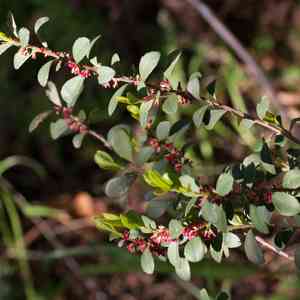
Relocate cape myrtle during the peak of summer's heat, since the prolonged daylight assists in root development. Select a bright spot with soil that drains effectively. If necessary, enrich the soil for ideal cultivation. A delicate approach guarantees a smooth acclimation.
What Preparations are Needed Before Transplanting Cape Myrtle?
What is the Ideal Time for Transplanting Cape Myrtle?
The most favorable period for relocating cape myrtle is during mid-summer or as summer's peak gradually subsides. These times offer a balanced mix of warmth and gentle seasonal shifts, which promote root establishment without the strain of extreme temperatures. Moving cape myrtle during this window leverages the plant's natural growth cycle, giving it the best chance to flourish in its new spot. Your cape myrtle will appreciate the stable conditions and reward you with vigorous development.
How Much Space Should You Leave Between Cape Myrtle Plants?
When moving cape myrtle, ensure ample room. Position the plants approximately 4-6 feet (1.2-1.8 meters) apart. This guarantees optimal growth and prevents overcrowding. Remember, these plants prefer their personal space!
What is the Best Soil Mix for Cape Myrtle Transplanting?
Before planting cape myrtle, prepare the garden soil. Cape myrtle thrives best in well-draining soil, with a healthy blend of sand, silt, and a touch of clay. Incorporate some slow-release, granular base fertilizer to nourish your plant and encourage development.
Where Should You Relocate Your Cape Myrtle?
Cape myrtle requires abundant sunlight. Select a sunny location where it can receive at least 6-8 hours of sunlight daily. A spot with morning sun and some afternoon shade would be perfect. Happy planting!
What Equipments Should You Prepare Before Transplantation Cape Myrtle?
Gardening Gloves
Protects your hands when handling soil and plants.
Spade or Shovel
Aids in excavating soil during the removal and replanting process.
Pruning Shears
Used to trim back the cape myrtle if necessary prior to transplanting.
Garden Trowel
Useful for digging small holes for the new plant.
Watering Can
Required to moisten the soil in both the extraction and replanting stages.
Wheelbarrow
Convenient for moving the cape myrtle from its original spot to the new location.
How Do You Remove Cape Myrtle from the Soil?
How Do You Remove Cape Myrtle from the Soil?
From Ground: Initially, water the cape myrtle plant to slightly moisten the soil. This facilitates an easier and less stressful removal process for the plant. Use a spade or shovel to carefully dig around the plant, ensuring the plantâs root ball remains intact. Then, gently slide the spade beneath the root ball to lift the plant from its original position.From Pot: If the cape myrtle is in a container, begin by watering the plant and turning the pot on its side. Hold the plant at its base and gently pull to extract it. Remember to handle the root ball with care to prevent any damage.From Seedling Tray: To remove the cape myrtle from a seedling tray, water the tray and then invert it. Place a hand on the soil with the seedlings between your fingers. Lightly tap the base of the tray to release the seedlings without harming the delicate root system.
Step-by-Step Guide for Transplanting Cape Myrtle
Preparation
Prepare the planting hole in the desired spot. The hole should be wider and deeper than the plant's root ball. Use the garden trowel for this task.
Placement
Lower your cape myrtle into the hole, ensuring it sits at the same level as it did in its previous location. There should be equal amounts of soil beneath and surrounding the plant.
Backfill
Using your hands, fill the hole with the excavated soil. Ensure there are no voids, and gently but firmly press the soil around the plant's base to eliminate any air pockets.
Watering
Water the cape myrtle generously immediately after transplanting. This helps settle the soil and reduces stress on the plant.
How Do You Care For Cape Myrtle After Transplanting?
Careful Observation
Closely monitor your transplanted cape myrtle for the initial few weeks. Observe its growth and check for indications of stress, such as wilting or discolored foliage.
Regular Watering
Although cape myrtle prefers well-drained soil, consistent watering is crucial, especially in the weeks following the transplant. This keeps the soil moist and aids in root establishment.
Pruning
Trim back any dead or damaged parts of the cape myrtle after transplanting. This helps direct the plant's energy towards developing new roots and recovering from transplant shock.
Mulching
Consider applying a layer of organic mulch around the base of your cape myrtle. This is beneficial for maintaining soil moisture and temperature.
Troubleshooting Common Issues with Cape Myrtle Transplantation.
When is the best time to transplant cape myrtle?
The optimal period for transplanting cape myrtle is in season 5 to 6. This timeframe typically offers the most suitable conditions for promoting growth.
What is the ideal spacing for cape myrtle during transplantation?
The recommended spacing for cape myrtle is 4 to 6 feet (1.2 - 1.8 meters). Sufficient spacing allows ample room for vigorous growth and development.
Why are the leaves of my transplanted cape myrtle turning yellow?
Yellowing leaves can indicate water stress. Ensure consistent watering, but avoid overwatering as this can suffocate the roots.
What type of soil does cape myrtle prefer during transplantation?
Cape myrtle thrives best in well-drained soil. It prefers a soil pH of 6.0 to 7.5. You can also add compost for nutritional balance.
Do I have to prune cape myrtle before transplanting?
Yes, it's good practice to lightly trim cape myrtle before transplanting. It assists with shock adjustment and encourages new growth.
Why is my transplanted cape myrtle not flowering?
Lack of flowering might be due to insufficient sunlight or poor nutrients. Ensure cape myrtle receives at least 6 hours of sunlight and adequate fertilizers.
How soon should I water cape myrtle after transplanting?
Water cape myrtle immediately after transplanting to settle the soil and facilitate root establishment. Check soil moisture regularly to prevent drying out.
How deep to dig the hole while transplanting cape myrtle?
The hole should be twice the width and equal to the depth of the root ball. This provides sufficient space for root expansion.
Should I use fertilizer while transplanting cape myrtle?
Yes, using a mild slow-release fertilizer during transplantation can support cape myrtle's growth. However, donât overdo it; follow the package instructions closely.
Why are the leaves of my transplanted cape myrtle dropping?
Leaf drop in cape myrtle can result from transplant shock or overwatering. Maintain a consistent care routine and cape myrtle should recover in a few weeks.



