How to Propagate Cape myrtle?
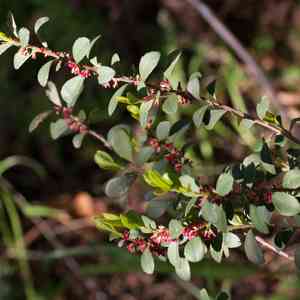
Cape myrtle can be successfully multiplied via cuttings. Utilize semi-hardwood sections that possess several leaves, making sure the cutting originates from a robust parent specimen. Employing sharp, sterilized cutting implements is crucial to prevent disease transmission to cape myrtle. For superior root development, apply a rooting stimulant to the cutting's base prior to inserting it into a porous substrate under suitable moisture and warmth levels.
Optimal Time for Cape Myrtle Propagation
Propagation Method
Cutting
Propagation Period
Spring,Summer
Tools for Cape Myrtle Propagation
Sharp Pruning Shears
These are vital for making clean, precise cuts when taking cape myrtle cuttings. Sharp blades prevent damage to the parent plant and ensure a smooth cut surface, which is key for better root development and infection prevention.
Rooting Hormone Powder
This substance promotes root growth on new cape myrtle cuttings. Dipping the cut end into the hormone greatly increases successful rooting, especially beneficial for cape myrtle which might otherwise root slowly or with difficulty.
Sterile Potting Mix
A sterile potting mix ensures new cuttings are planted in a pathogen-free environment, preventing disease during root establishment. For cape myrtle, a well-draining mix helps avoid root rot and other moisture-related issues.
Humidity Domes
These domes cover newly potted cape myrtle cuttings, maintaining high humidity crucial during the initial rooting phase. The dome helps keep consistent moisture around the cutting, improving survival rates during this vulnerable stage.
Heating Mats
Especially useful for propagating cape myrtle in cooler climates or seasons, heating mats help maintain optimal soil temperature, accelerating root growth. This tool significantly boosts propagation success rates during colder periods.
How to Propagate Cape Myrtle?
Propagation Type
Moderately Difficult
Caring for Newly Propagated Cape Myrtle
Caring for Newly Propagated Cape Myrtle
Once cape myrtle cuttings have rooted and show new growth, gradually acclimate them to lower humidity by removing the cover for increasing durations over several days. Then, move them to bright, indirect light and water regularly to keep the soil slightly moist but not waterlogged. Transplant them into a larger pot or permanent spot when robust enough. Regular pruning encourages bushier growth and maintains the shape of cape myrtle.
Common Mistakes to Avoid When Propagating Cape Myrtle
Overwatering
Excessive watering can cause root rot in cape myrtle, a condition that weakens or kills roots, hindering propagation efforts.
Inadequate light during rooting
Insufficient light can slow the rooting process of cape myrtle cuttings, potentially leading to poor root development.
Using non-sterilized tools
Using unsterilized tools can introduce pathogens to cape myrtle, leading to infections that can impair growth and propagation.
Tips For Propagating Cape Myrtle
Use of rooting hormones
Applying a rooting hormone to the cut ends of cape myrtle can significantly enhance root development, improving the chances of successful propagation.
Proper soil mix
Using a well-draining soil mix is crucial for cape myrtle to prevent waterlogging and encourage healthy root growth.
Adequate humidity
Maintaining high humidity around cape myrtle cuttings can help prevent moisture loss and foster a better environment for rooting.



