How to Prune Cape myrtle?
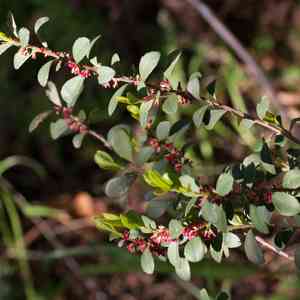
This perennial woody plant, recognized by its diminutive, tough foliage and crimson to violet fruit, flourishes with periodic trimming. For cape myrtle, conduct pruning during the winter season to preserve its form, eliminate deceased or ailing branches, and stimulate more compact development. Shorten excessively lengthy limbs and thin out congested sections to enhance light access and air movement. Consistent pruning boosts vigor and visual appeal, potentially augmenting fruit yield, which benefits local fauna.
What Are the Benefits of Pruning Cape Myrtle?
What Are the Benefits of Pruning Cape Myrtle?
Trimming cape myrtle promotes robust development and maintains its form. By selectively removing branches, gardeners encourage a healthier framework, foster denser foliage, and manage the plant's dimensions for visual appeal.
What Is the Best Time for Pruning Cape Myrtle?
What Is the Best Time for Pruning Cape Myrtle?
Trimming cape myrtle in late winter or early spring is recommended while the plant remains dormant. This timing prevents the removal of new growth that will emerge in spring, which is crucial for the plant's vitality and vigor. Pruning during dormancy also offers better visibility of the plant's structure, allowing for more accurate cuts. This period also helps avoid exposing fresh cuts to harsh winter conditions, which can harm the plant. Furthermore, pruning before the spring growth cycle begins ensures the plant's energy is directed into new growth in the desired shape and structure post-pruning.
What Tools Do I Need to Prune Cape Myrtle?
Hand Pruners
Cape myrtle is a dense, slow-growing evergreen shrub that requires regular shaping to maintain its appearance. Hand pruners, or secateurs, are perfect for such tasks due to their sharp blades capable of making clean cuts on small to medium-sized stems.
Loppers
For cutting thicker branches that hand pruners cannot manage, loppers are the next step up. Their long handles provide the leverage needed for cutting through branches up to 2 inches in diameter, which may occasionally be necessary for cape myrtle.
Pruning Saw
If cape myrtle has developed any mature, woody stems too thick for loppers, a pruning saw is essential. Its serrated blade is designed for sawing through larger branches, preventing unnecessary damage to the plant.
Hedge Shears
If you need to shape cape myrtle into a formal hedge or trim many small shoots at once, hedge shears can be used to quickly and efficiently clip the plant into the desired form.
How to Prune Cape Myrtle
Clean
Before trimming cape myrtle, sterilize your pruning tools with a solution of 1 part bleach to 9 parts water to prevent disease transmission.
Withered leaves
Carefully remove any withered leaves from cape myrtle by hand or with sanitized pruning shears, taking care not to harm healthy surrounding foliage and stems.
Dead branches
Identify and cut dead branches from cape myrtle at their origin point or to the nearest living lateral branch, making clean, angled cuts to promote healing.
Diseased branches
Trim any diseased branches from cape myrtle by cutting at least several inches into healthy wood to ensure complete removal of all infected material.
Cleanup
After trimming cape myrtle, gather and dispose of all removed plant material to prevent disease spread, and thoroughly clean your tools.
Common Pruning Mistakes with Cape Myrtle
Overpruning
Removing too much foliage at once can stress cape myrtle, leading to weak growth or increased vulnerability to pests and diseases.
Improper cutting technique
Incorrect cuts, such as tearing the bark or leaving stubs, can cause damage and may result in disease or pest infestation.
Ignoring plant structure
Cutting without considering cape myrtle's natural shape may result in an unbalanced or unattractive plant.
Using dull tools
Dull pruning tools can damage branches and create jagged cuts that are more prone to infection.
Poor cleaning practices
Not sterilizing pruning tools between plants can spread disease from infected plants to healthy ones.
Neglecting dead or diseased wood
Failing to remove dead or diseased branches can hinder cape myrtle's overall health and growth.
Common Pruning Tips for Cape Myrtle
Sharp pruning tools
Use well-maintained, sharp tools to make clean, precise cuts that will heal quickly without unnecessary damage.
Proper cut location
Make cuts at a slight angle, just above a bud or branching point, to promote healthy regrowth without leaving unnecessary stubs.
Gradual pruning
Prune cape myrtle gradually over time rather than all at once, focusing on thinning out crowded areas to improve light penetration and air circulation.
Plant health evaluation
Before pruning, evaluate cape myrtle's health, removing only dead, diseased, or damaged wood first and assessing the plant's response before proceeding further.
Natural shape maintenance
Aim to maintain cape myrtle's natural form when pruning, enhancing its aesthetic appeal and growth habit rather than trying to force it into an unnatural shape.
Cleaning and disinfecting
Clean and disinfect all pruning tools before and after use to prevent the spread of diseases among your plants.



