How Much Sunlight Do Cape myrtle Need?
1
Cape myrtle flourishes optimally in complete sun, requiring a minimum of 6 hours of direct light daily.
2
Insufficient sunlight for Cape myrtle can lead to indicators like diminished growth rate and faded leaf coloration.
3
To shield Cape myrtle from intense sun, particularly in summer, contemplate offering some shade or employing sun-filtering mesh.
Ideal Light Conditions for Cape Myrtle
Full Sun Exposure
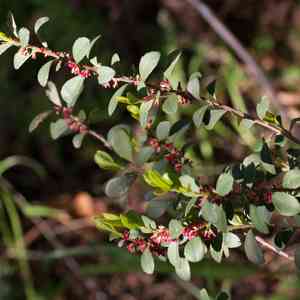
The Cape myrtle (Myrsine africana) is a robust plant that flourishes under full sun. It thrives best with at least six hours of direct sunlight daily. Ample sun encourages dense foliage and vigorous growth. Perfect for garden settings, Cape myrtle greatly benefits from a sunny location where it can absorb plenty of light, ensuring strong and healthy development.
Partial Shade Tolerance
While Cape myrtle prefers full sun, it also tolerates some partial shade. In areas without constant full sun, the plant can adapt to a mix of sun and shade. However, for optimal growth, ensure it still receives several hours of direct sunlight each day. This balanced light exposure helps support a sturdy and vibrant plant.
Impact of Insufficient Light on Cape Myrtle
Growth Inhibition
Insufficient sunlight can hinder Cape myrtle's growth. Without enough light, the plant's photosynthesis efficiency is reduced, leading to slower development and a weaker structure. It may struggle to produce strong stems and lush leaves, making it less attractive and more vulnerable to diseases and pests.
Foliage Color Changes
A lack of adequate sunlight can also cause changes in Cape myrtle's leaf color. You might observe the vibrant green leaves becoming pale or yellow. These color shifts indicate the plant isn't absorbing enough light for proper chlorophyll production. Providing more direct sunlight can help restore the leaves' healthy green hue.
Optimal Planting Locations for Cape Myrtle
Ideal Garden Spots
For outdoor planting, select a garden area that receives abundant sunlight throughout the day. South-facing spots typically offer the most consistent light and are perfect for Cape myrtle. Ensure the location isn't overshadowed by larger plants or structures.
Indoor Placement
When cultivating Cape myrtle indoors, positioning it near a bright, south-facing window is recommended to meet its light requirements. If natural light is insufficient, supplement with grow lights to ensure the plant receives ample illumination. Rotate the plant regularly to ensure uniform light exposure on all sides.
Adjusting Light for Seasonal Changes
Summer Light Requirements
During summer, sunlight is more intense, and Cape myrtle can benefit from partial shade during the hottest part of the day to prevent leaf burn. Using sunblock netting or placing the plant where it gets morning sun and afternoon shade can help protect it from excessive heat.
Winter Light Adjustments
In winter, natural sunlight decreases. To compensate, ensure your Cape myrtle is in the brightest possible location. If indoors, consider using grow lights to simulate longer daylight hours and provide consistent light intensity. This adjustment helps maintain its health and growth even during darker months.
Signs of Light Stress in Cape Myrtle
Leaf Scorching
One indicator of excessive sunlight or heat on Cape myrtle is leaf scorching. Leaves may appear burnt or crispy at the edges, signaling too much direct sun. If you notice this, try moving the plant to a slightly shadier spot during peak sun hours or using protective netting.
Wilting
Wilting can occur if Cape myrtle is unaccustomed to high levels of direct sunlight and heat. Ensure the plant is well-hydrated, especially during warmer months, and consider providing breaks from intense sunlight to prevent further wilting and stress.



