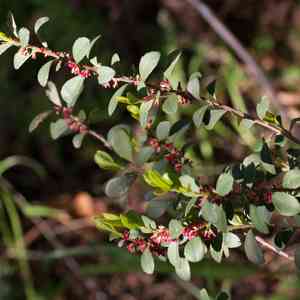
Cape myrtle (Myrsine africana)
Also known as: Thakisa
Cape myrtle is noted for its berries which attract birds. It is popular as a garden ornamental, often seen in rockeries and borders. Cape myrtle is a fragrant upright growing evergreen shrub.
In This Article
Attributes of Cape myrtle
Lifespan
Perennial
Plant Type
Shrub
Plant Height
2 m
Spread
80 cm
Leaf Color
Dark green
Flower Size
Less than 1 cm
Flower Color
White Cream Red
Images of Cape myrtle
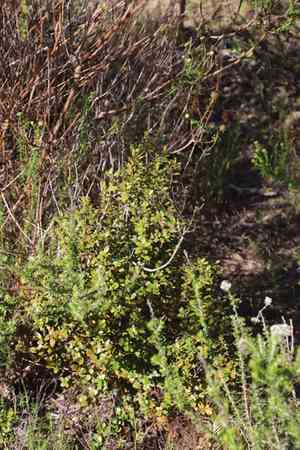
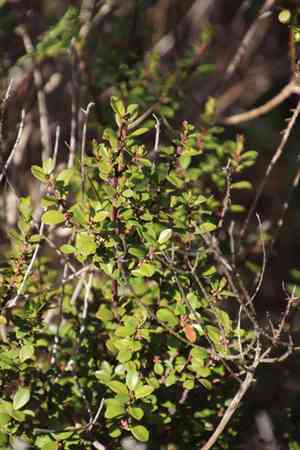
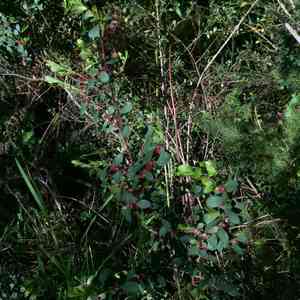
Quickly Identify Cape myrtle
1
Resilient evergreen shrub
2
Dark green leaves with subtly serrated margins
3
Striking deep red new growth
4
Cream-colored flowers at leaf bases in spring
5
Dense, upright growth habit reaching 4-7 feet (1.2-2.1 meters) tall
Scientific Classification of Cape myrtle
Phylum
Vascular plants
Class
Dicotyledons
Order
Ericales
Family
Primrose
Genus
Colicwood
Species
Cape myrtle
Planting and Growing of Cape myrtle
Care Difficulty
Easy
Watering Schedule
Every 2 days
Sunlight Requirements
Partial sun
Sunshine Duration
6-10 hours
Ideal Temperature
50-70℉
Soil Type
Potting Mix, Peat Mix
Soil pH
5.5-7.5
Fertilizer Type
Balanced
Pruning Season
Spring, Summer
Pruning Area
Branches, Leaves
Pruning Frequency
2 times a year
Repotting Season
Spring
Pot Type
Plastic, Terracotta
 How to Water Cape myrtle?
The Myrsine africana, also known as African boxwood, is a hearty plant that requires only a moderate amount of water — about 250ml each time you water it. The principle to be followed here is to keep the soil moderately moist but not soggy. More importantly, the water should be poured slowly and evenly around the base of the plant and not directly onto the leaves.
What are the symptoms of an underwatered Cape myrtle?
›
What should I do if my Cape myrtle is not getting enough water?
›
What are the symptoms of an overwatered Cape myrtle?
›
How to save an overwatered Cape myrtle?
›
 What Are the Sunlight Requirements for Cape myrtle?
Myrsine africana performs best in partial to bright indirect sunlight. Ideal light condition promotes robust growth and increases the plant's resistance to any potential infections or diseases.
More About Sunlight Requirements Techniques→
 What Is the Ideal Temperature Range for Cape myrtle?
Myrsine africana plants thrive best under moderately warm temperatures, specifically between 50 to 70 degrees Fahrenheit. It is critical to maintain this temperature range to ensure the plant's optimal growth and reproduction. Excessive deviations from this ideal could disrupt the plant's metabolic functions.
 What Soil is Best for Cape myrtle?
Myrsine africana thrives in soils that are nutrient-rich. Essential nutrients such as Nitrogen, Phosphorus, and Potassium should be plentiful. When the plant has access to these nutrients, it can grow more robustly and produce more vibrant foliage. This plant prefers soils that are well-drained. Stagnant water can lead to root rot and other fungal diseases, so ensuring the soil drains well is essential for the plant's health. This can be achieved by adding gravels and sand to the planting mix. Myrsine africana prefer acidic soil. This type of soil can unlock some nutrients that the plant can utilize for growth. It also supports some beneficial microorganisms that aid in the breakdown of organic material, thus making more nutrients available to the plant.
 How to Fertilize Cape myrtle?
Myrsine africana, also known as African Boxwood, requires a relatively moderate amount of fertilizer. You can use a balanced slow-release fertilizer at the start of the growing season. Liquid fertilizer should be mixed at 1/2 strength and can be added every two weeks during the growing period.
 How to Prune Cape myrtle?
Start by removing dead, diseased or damaged branches first. This helps to prevent the spread of diseases and also promotes plant health. Make clean cuts at the base of the branch without leaving a stub. Prune Myrsine africana to maintain its shape. Identify any branches that are out of line with the general shape of the plant and trim them back to the point of origin. Remember to step back and check your work frequently to ensure even shaping. To promote airflow and sunlight penetration, remove some of the plant's inner branches. This can also help to reduce the risk of diseases.
More About Pruning Techniques→
 How to Propagate Cape myrtle plant?
1
The first step is to collect mature seeds from the fruit of Myrsine africana, typically in early spring.
2
Place the seeds in a damp, but not drenched, substrate such as peat moss. Maintain the seed's dampness and expect germination in a few weeks to months. Ensure the environment is warm and receives indirect sunlight.
3
After the seeds have germinated, transfer the seedlings to individual pots filled with fertile, well-draining soil and ensure they receive ample light but not direct sunlight.
 How to Repot Cape myrtle plant?
1
Myrsine africana expects a refresh when roots start overcrowding the pot or poking out of the drainage hole. Visible roots & a lack of growth are two most conspicuous signs that's high time your plant had a new home.
2
A pot with good drainage is of paramount importance for Myrsine africana. Opt for a size larger than the last one, providing roots with room to stretch and anchor the plant. Terracotta or ceramic are recommended due to their porosity and breathability.
3
For Myrsine africana, the soil needs to be acidic with a pH range of 4.5 to 6.5. A well-drained loamy soil enriched with organic matter will promote root respiration and nutrient absorption.
Learn More About Cape myrtle Diseases
Anthracnose
Bacterial Leaf Spot
Bacterial Wilt
Crown Gall
Cyst Nematode
Damping-off
Downy Mildew
Drought Stress
Fusarium Wilt
Gray Mold
Leaf Curl
Leaf Spot
Mosaic
Nutrient Deficiency
Nutrient Toxicity
Powdery Mildew
Root Rot
Root-knot Nematode
Rusts
Sooty Mold
Spider Mites
Temperature Stress
Thrips Damage
White Mold



