The Cape myrtle Plant Advantage: Maximizing Home and Office Appeal and Wellness
1
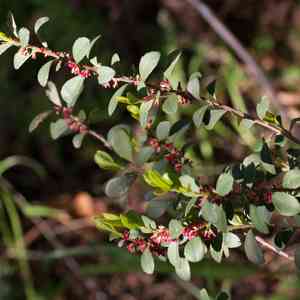
Cape myrtle is recognized for its robust characteristics, making it an easy-care garden feature.
2
This shrub provides evergreen leaves throughout the year, enhancing visual appeal even during colder seasons.
3
The thick leaf growth of Cape myrtle can function as an organic visual barrier in outdoor spaces.
Why Select Cape Myrtle for Your Garden?
What Are Its Visual Benefits?
Cape myrtle distinguishes itself with its rich, evergreen foliage, providing a constant burst of green to gardens throughout the year. It is highly valued for its thick, bushy form, which adds texture and visual appeal to landscape designs. This evergreen quality ensures your garden stays vibrant, even during the dull winter months. Furthermore, the small, delicate blossoms that appear in certain seasons contribute subtle beauty, transforming your garden into a picturesque sanctuary.
How Does Cape Myrtle Support Effortless Landscaping?
One of Cape myrtle's most notable advantages is its resilient nature. It demands minimal care once established, making it an ideal choice for gardeners seeking low-maintenance options. This plant tolerates various soil types and thrives in both full sun and partial shade. Its drought resistance further reduces the need for frequent watering, allowing you to conserve water while maintaining a flourishing garden. Moreover, Cape myrtle is relatively pest-resistant, meaning fewer organic treatments are required to keep it healthy.
Practical Applications of Cape Myrtle in Landscaping
Can Cape Myrtle Be Utilized for Privacy and Screening?
Yes, Cape myrtle's dense and compact growth makes it an excellent option for creating natural screens and privacy hedges. When planted in rows, it forms an effective barrier that can shield your garden from curious eyes and lessen noise pollution. The plant's uniform growth habit ensures it remains neat and manageable without extensive pruning. This makes Cape myrtle a preferred choice for property boundaries, dividing different garden sections, or establishing secluded outdoor areas.
How Does Cape Myrtle Enhance Soil Stability?
Cape myrtle is particularly useful for erosion control due to its extensive root system. When planted on inclines or in areas prone to soil erosion, its roots help stabilize the soil, preventing runoff and preserving soil integrity. This characteristic not only safeguards the landscape but also maintains the fertility of the garden soil. Additionally, the plant's roots can improve soil structure over time, facilitating robust growth for other nearby plants.
Environmental Advantages of Cape Myrtle
How Does Cape Myrtle Contribute to Biodiversity?
Cape myrtle can aid in boosting local biodiversity by offering habitat and sustenance for various wildlife species. The plant's flowers attract beneficial pollinators, such as bees and butterflies, which play a vital role in pollination. Furthermore, its dense foliage can provide shelter for small birds and insects, creating a miniature ecosystem within your garden. This biodiversity not only supports environmental health but also adds a dynamic element to your outdoor space with the presence of wildlife.
What Role Does Cape Myrtle Play in Improving Air Quality?
As an evergreen plant, Cape myrtle contributes to air quality by continuously filtering pollutants from the air. Its leaves can trap dust, pollen, and other particulate matter, lowering overall pollution levels in your garden area. Moreover, like other green plants, it absorbs carbon dioxide and releases oxygen through photosynthesis. This exchange not only freshens the air but also contributes to a healthier environment, making Cape myrtle a valuable addition to urban and suburban homes aiming for greener living spaces.



