How to Transplant Water mint?
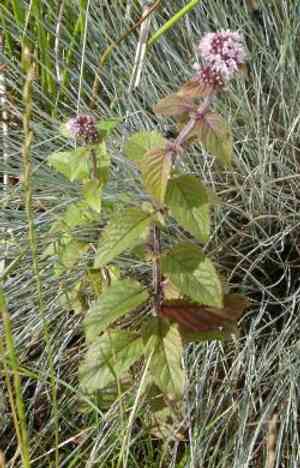
Relocate water mint during the spring for peak development. Select a damp, low-light spot to replicate its native environment. Careful handling facilitates a smooth transition to the fresh site.
What Preparations are Needed Before Transplanting Water Mint?
What is the Ideal Time for Transplanting Water Mint?
The best time to move water mint is during the refreshing period of spring. This spring window offers mild temperatures, ensuring roots settle comfortably before the peak of summer. Early-season relocation takes advantage of nature's revival, providing water mint with more sunlight, moderate rainfall, and increasing warmth, which together promote strong development. Enthusiastic gardeners will find that spring naturally aligns with water mint's growth cycle, setting the stage for a flourishing display. It's the perfect moment to add some green magic to your garden!
How Much Space Should You Leave Between Water Mint Plants?
To allow water mint ample room to grow, position your transplants 1-2 feet apart (approximately 30-60 cm). This enables the plant to spread its roots and expand its foliage. Remember, these plants enjoy proximity but also require individual space!
What is the Best Soil Mix for Water Mint Transplanting?
Before planting water mint, prepare your soil! It thrives in well-drained, fertile soil. A loamy mix, which combines clay, silt, and sand, is an excellent choice. Don't forget to enrich the soil with a foundational fertilizer for an extra boost of nutrients!
Where Should You Relocate Your Water Mint?
Sunlight is water mint's greatest ally! Place your water mint in a spot where it will receive full to partial sunlight throughout the day. A location with dappled sun near the edge of a pond or stream would be perfect.
What Equipments Should You Prepare Before Transplantation Water Mint?
Gardening Gloves
To protect your hands throughout the entire process.
Spade or Trowel
Crucial for digging holes and extracting your water mint plant without harming its root system.
Pruning Shears
To carefully trim away any damaged roots or dead leaves before relocation.
Watering Can
To hydrate the plant immediately after it has been moved.
Mulch
This helps maintain soil moisture and enhance the soil's structure.
Bucket or Wheelbarrow
Useful for transporting your plant from its original spot to the new one, especially if it's a larger specimen.
How Do You Remove Water Mint from the Soil?
How Do You Remove Water Mint from the Soil?
From Ground: Begin by gently watering around your water mint plant; this will facilitate the plant's removal. Next, using your spade, dig a wide trench around the plant, being careful not to disturb the root ball. Once you feel the plant is sufficiently loose, carefully lift it with the shovel from beneath the root ball. Use a wheelbarrow or bucket to transport the plant to its new location.From Pot: If your water mint is in a pot, watering it beforehand can make it easier to slide out. Turn the pot on its side, then tap around the base. You should feel the plant beginning to loosen. Gently pull on the plant's base, and it should slide right out.From Seedling Tray: Simply squeeze the bottom of the cell or press from the base for the seedling to pop out. Be careful to hold the seedling by its leaves and not by the stem to avoid causing any damage.
Step-by-Step Guide for Transplanting Water Mint
Digging New Hole
Once you have chosen the ideal spot for your water mint, use your spade or trowel to dig a hole. The hole should be twice as wide and as deep as the root ball.
Preparing the Plant
Before moving your plant, trim any damaged roots or dead leaves with a pair of gardening shears.
Planting
Gently place your water mint into the newly dug hole. The top of the root ball should be level with the surrounding soil. Fill the hole with soil, patting gently to eliminate any air pockets.
Final Touches
Water the transplanted water mint using your watering can. Follow this with a layer of mulch around the plant, ensuring it doesn't touch the plant's stem directly.
How Do You Care For Water Mint After Transplanting?
Watering
Ensure the newly transplanted water mint receives ample water. Keep the soil consistently moist, but avoid waterlogging.
Pruning
Prune the plant periodically to maintain healthy growth and shape.
Watching
Monitor for any signs of transplant shock, such as wilting or yellowing leaves. If these symptoms appear, the plant may require additional care or different growing conditions.
Protection
If extreme weather is predicted soon after transplanting, consider covering the plant or providing some form of shelter. The aim is to give your water mint a stable, favorable environment.
Troubleshooting Common Issues with Water Mint Transplantation.
What's the best time of year to transplant water mint?
For water mint to thrive, transplant it during the early to mid-growing season, roughly from spring to summer.
How much space should I leave between water mint plants when transplanting?
Leaving about 1-2 feet (30-60 cm) between your water mint plants is advisable. This spacing allows for optimal spreading and development.
Should water mint be watered immediately after transplanting?
Yes, watering water mint immediately after transplanting is essential. This helps settle the soil around the roots and reduces air pockets.
Is there any preparation required for the potting soil before transplanting water mint?
Indeed, the soil should be rich, well-draining yet moist. Add extra organic matter or compost if necessary to boost its fertility.
Can I transplant water mint under full sunlight?
Water mint prefers a location with full sun to partial shade. Excessive sunlight can scorch the plant and hinder its growth.
Do I need to prune water mint after transplanting?
It's not mandatory, but it can encourage bushier growth. Lightly prune only if the plant appears leggy or overgrown.
What to do if my transplanted water mint appears wilted?
Don't worry. Wilted leaves after transplanting are common and usually mean your water mint is adapting to its new environment. Continue regular watering.
Why are the leaves of my newly transplanted water mint turning yellow?
Yellowing leaves could indicate overwatering, insufficient sunlight, or a nutrient deficiency. Review your plant care practices and correct any obvious problems.
How deep should I bury water mint when transplanting?
When transplanting water mint, plant it deep enough so the root ball is covered, but not so deep that the stem is overly buried.
I have a mature water mint to transplant, what's the best way to do it?
For mature plants, prior to transplanting, water it thoroughly and gently uproot with a substantial amount of soil around the roots to minimize transplant shock.



