How to Overwinter Water mint
1
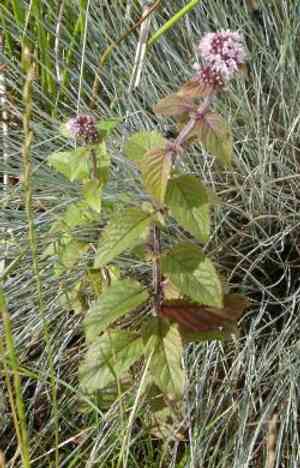
Water mint flourishes in both interior and exterior settings.
2
Cut back Water mint to a height of 5-10 cm (2-4 inches) from the soil for best winter readiness.
3
A 5-8 cm (2-3 inches) layer of mulch can safeguard Water mint roots through severe winters.
What is Overwintering for Water mint?
What is Overwintering for Water mint?
Overwintering describes the method of preparing and safeguarding plants during the cold winter months to guarantee their survival and flourishing in the subsequent growing season. For Water mint, valued for its fragrant leaves and lovely presence in aquatic gardens, this process is crucial. Despite being tolerant of frost, certain measures can ensure your Water mint returns robust and abundant in spring.
Preparing Water mint for Winter
Pruning and Cleaning
Begin by trimming your Water mint in late autumn. Cut the plant back to approximately 5-10 cm (2-4 inches) above the soil level. This trimming helps decrease the plant's energy demands, allowing it to prioritize root development through winter. Additionally, remove any dead leaves, stems, and debris from around the plant's base to prevent fungal diseases and pests.
Soil and Mulch Preparation
Next, focus on the soil surrounding your Water mint. Ensure it stays slightly damp but not waterlogged, as excessively wet conditions can lead to root decay. Applying a mulch layer about 5-8 cm (2-3 inches) thick around the plant's base can shield the roots from freezing temperatures by insulating the soil. Use natural materials like straw, shredded leaves, or bark mulch for optimal results.
Indoor vs Outdoor Overwintering
Indoor Techniques
For those in areas with harsh winters, bringing potted Water mint indoors can be a safe option. Position the pots in a cool, bright room with temperatures around 10-15°C (50-59°F). Water sparingly to keep the soil merely moist. Indoor overwintering offers greater control over growing conditions and helps prevent potential damage from extreme weather.
Outdoor Techniques
Outdoor Water mint can be well-protected by employing proper mulching and covering strategies. In regions with milder winters, wrapping the plants with a breathable garden fleece may suffice. For extremely low temperatures, consider placing cloches or cold frames over the plants. These structures help retain heat and maintain slightly warmer temperatures around your Water mint.
Protecting Water mint from Frost
Using Proper Covers
To shield your Water mint from potential frost damage, use breathable coverings like garden fleece or burlap. These materials provide insulation without suffocating the plant. Avoid using plastic directly on the plants as it can cause condensation buildup, leading to frost damage.
Monitoring Temperature
Keep a close watch on weather forecasts, especially during early mornings when frost is most probable. If a cold snap is anticipated, ensure your Water mint is covered. In areas prone to unexpected frost, a digital thermometer with alerts can be useful to notify you when temperatures fall below a specific threshold.
Post-Winter Care for Water mint
Inspecting for Damage
Once winter has passed, examine your Water mint for any signs of damage. Look for wilted or discolored foliage and weakened stems. Removing any damaged parts will help the plant direct its energy into new growth. Check for any pests or disease indicators that might have exploited the plant's weakened state.
Reviving the Plant
To help your Water mint recover, gradually acclimate it to outdoor conditions if it has been indoors. Start by placing it outdoors for a few hours daily in a sheltered spot. Increase exposure time progressively over one to two weeks. Concurrently, resume regular watering and consider adding a balanced liquid fertilizer every two weeks to encourage new growth. Ensure the soil is moist but well-drained to prevent root rot.



