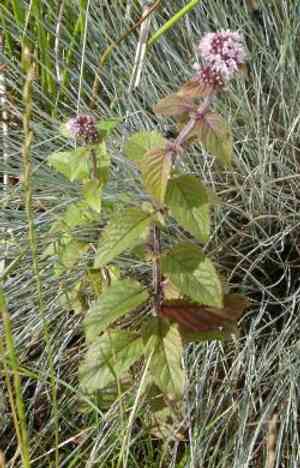
Water mint (Mentha aquatica)
Also known as: Fish mint
Water mint (Mentha aquatica) is a perennial herb commonly found in Europe and southwest Asia. It is often used to brew herbal tea. Additionally, water mint can be used in the production of colognes due to its aromatic properties. A notable variety of this plant is the bergamot mint.
In This Article
Attributes of Water mint
Lifespan
Perennial
Plant Type
Herb
Plant Height
90 cm to 1 m
Spread
1 m
Leaf Color
Green
Flower Size
3 mm to 4 mm
Flower Color
Pink Violet Purple
Images of Water mint
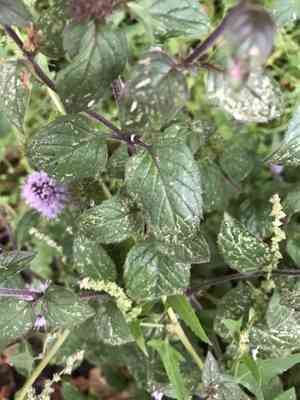
Quickly Identify Water mint
1
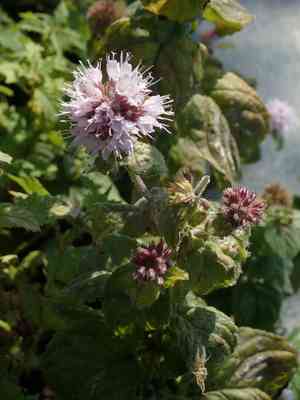
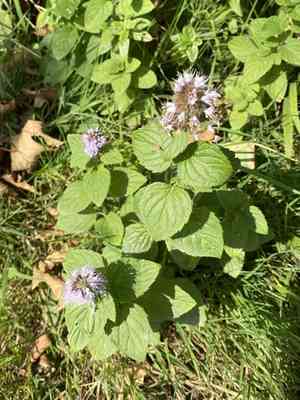
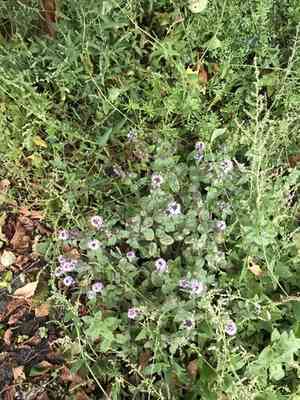
Identify Mentha aquatica by its square stems, often red-tinged, which are typical of the mint family. The leaves are opposite, oval, and serrated with a strong minty aroma. The flower heads are dense, globular, and appear at the end of the stems in summer and early autumn.
Scientific Classification of Water mint
Phylum
Vascular plants
Class
Dicotyledons
Order
Lamiales
Family
Mint
Genus
Mints
Species
Water mint
Planting and Growing of Water mint
Care Difficulty
Easy
Watering Schedule
Every 10 days
Sunlight Requirements
Partial sun
Sunshine Duration
4-8 hours
Ideal Temperature
60-75℉
Soil Type
Potting Mix, Peat Mix
Soil pH
5.5-7.5
Fertilizer Type
Balanced
Pruning Season
Spring, Summer
Pruning Area
Branches, Leaves
Pruning Frequency
2 times a year
Repotting Season
Spring
Pot Type
Plastic, Ceramic
 How to Water Water mint?
Mentha aquatica thrives in moist conditions. When watering, aim for soil that is evenly moist, but not waterlogged. This requires about 250 ml of water per session, ensuring the soil feels damp to the touch without pooling water.
More About Watering Techniques→
What are the symptoms of an underwatered Water mint?
›
What should I do if my Water mint is not getting enough water?
›
What are the symptoms of an overwatered Water mint?
›
How to save an overwatered Water mint?
›
 What Are the Sunlight Requirements for Water mint?
Mentha aquatica prefers partial sun, ideally 4-6 hours of sunlight daily. This balance supports vigorous growth and health, enhancing its aromatic qualities.
More About Sunlight Requirements Techniques→
What kind of sunlight does Mentha aquatica prefer?
›
How can you achieve the ideal lighting conditions for Mentha aquatica?
›
What are the benefits of providing ideal lighting conditions to Mentha aquatica?
›
 What Is the Ideal Temperature Range for Water mint?
Mentha aquatica thrives best in an environment where the temperature ranges from 60°F to 75°F. This range provides the optimal conditions for photosynthesis and growth, allowing the plant to develop robust foliage and a strong aroma.
 What Soil is Best for Water mint?
Mentha aquatica thrives in moist soil conditions. This ensures the plant remains hydrated, promoting vigorous growth and a lush appearance. Rich, organic matter present in the soil provides essential nutrients to Mentha aquatica, encouraging robust leaf development and strong aromatic qualities. While favoring moist conditions, Mentha aquatica requires good drainage to prevent root rot, ensuring a healthy root system for optimal plant growth.
More About Soil→
 How to Fertilize Water mint?
For Mentha aquatica, the fertilization process should involve a cautious amount, ensuring that the soil is enriched but not overwhelmed. A typical dose for liquid fertilizer is about 5-10 ml per liter of water, applied around the base of the plant to encourage absorption. For slow-release fertilizers, use about 20-30 grams per square meter, distributing it evenly across the soil to avoid hotspots of nutrients.
More About Fertilizing Techniques→
 How to Prune Water mint?
Examine your Mentha aquatica plant closely. Look for stems that appear overgrown, leggy, or damaged. Focus on trimming these sections to promote bushier growth and prevent overcrowding. While pruning, make your cuts just above a leaf node, which is where leaves join the stem. This encourages new shoots to develop, leading to a fuller and more vigorous plant over time. If your Mentha aquatica has developed flowers, consider removing them once they're past their prime. This diverts energy back to the foliage, enhancing the mint's growth and flavor.
More About Pruning Techniques→
 How to Propagate Water mint plant?
1
Fill the seed tray with a quality seed starter mix. Ensure the medium is moist but not waterlogged. It's crucial as the starting medium provides the essential nutrients and structure for seed germination.
2
Select healthy stems from a mature Mentha aquatica plant. Cuttings should be about 4-6 inches long. Remove the leaves from the lower half, which promotes better rooting by directing energy towards root development.
3
Lift the entire plant carefully from the ground and use a sharp tool to divide the rootball into smaller sections. Each section should have both roots and shoots. This method controls plant spread and rejuvenates overgrown plants.
 How to Repot Water mint plant?
1
Mentha aquatica typically shows signs of needing repotting when its roots are visibly emerging from drainage holes, or when the plant's growth seems stunted despite optimal care. These indicators suggest that the roots may be overcrowded and the plant requires more space to flourish. Ideally, observe these signs in early spring to prepare for repotting.
2
Choose a pot that is only slightly larger than the current one, as an excessively large pot can lead to overwatering issues. A container with sufficient drainage is essential to prevent water accumulation, which can harm the roots. The right pot ensures adequate space and drainage, promoting healthy growth and reducing stress on your Mentha aquatica.
3
Opt for a loamy, well-draining soil to mimic the natural habitat of Mentha aquatica. This type of soil ensures that excess water is swiftly drained away, preventing root rot while maintaining enough moisture for the plant's needs. A well-chosen soil mix will contribute to a thriving and vigorous plant.



