Enhancing Your Garden Design with the Water mint Plant: A Landscaping Guide
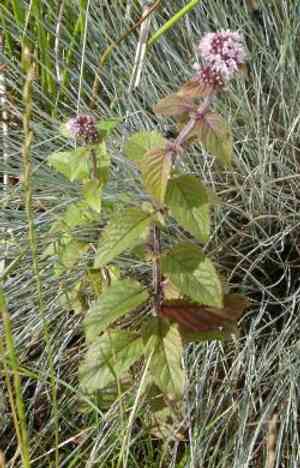
1
Water mint flourishes in damp, adequately drained soil, making it ideal for aquatic environments.
2
Adding Water mint to your garden can draw in helpful pollinators such as bees.
3
Water mint can improve the visual appeal of your outdoor space with its vibrant green foliage.
Introducing Water Mint in Garden Planning
Discovering Water Mint's adaptability in garden layouts.
Water mint is a highly adaptable plant that complements various garden aesthetics. Its capacity to flourish near water makes it perfect for placement around ponds, streams, or even in damp garden beds. Whether you desire a rich, tropical feel or a charming, rustic garden, Water mint offers enduring beauty that elevates any space.
Advantages of incorporating Water Mint into outdoor areas.
Adding Water mint to your garden offers several benefits. It not only provides vibrant greenery and a refreshing aroma but also acts as a natural haven for beneficial insects like bees and butterflies. Furthermore, its dense growth helps prevent soil erosion in wet zones, making it a practical and attractive landscape addition.
Designing with Water Mint: Initial Steps
Selecting the optimal site for Water Mint cultivation.
Location is crucial for Water mint planting. This plant thrives best in areas with partial to full shade and consistently damp soil. Consider placing it near water features or in garden sections that tend to retain moisture. Its natural habitat includes riverbanks and wet meadows, so try to replicate these conditions for peak growth.
Understanding the spatial needs for Water Mint.
Water mint can spread quite quickly under favorable conditions, so providing ample space during planting is essential. Expect the plant to reach approximately 20-60 cm in height and to spread equally wide. Be sure to monitor and manage its growth to prevent it from overtaking other plants in your garden.
Theme selection: How to pair Water Mint with other flora.
Pairing Water mint with other garden plants requires some imagination. Consider combining it with other moisture-loving plants such as ferns, irises, or hostas. In a water garden, Water mint complements aquatic plants like water lilies and cattails. The contrasting textures and colors can create a visually appealing and harmonious garden design.
Practical Advice for Landscaping with Water Mint
Soil type and preparation for Water Mint's best growth.
Water mint prefers well-drained, fertile soil that retains moisture without becoming waterlogged. To prepare the soil, mix in organic matter like compost or peat moss to enhance its moisture retention. Ensure the soil pH is slightly acidic to neutral (around 6.0 to 7.0) for optimal results.
Irrigation strategies for maintaining healthy Water Mint.
Consistent watering is vital for keeping Water mint healthy. This plant loves moisture, so ensure it receives regular hydration, especially during dry spells. Installing a drip irrigation system or routinely checking soil moisture can help maintain ideal conditions. However, be careful not to overwater, as overly saturated soil can lead to root rot.
Mulching and its advantages for Water Mint.
Applying mulch around Water mint plants can significantly improve their health and appearance. Mulch helps retain soil moisture, suppress weeds, and regulate soil temperature. Organic mulches like wood chips, straw, or leaf mold are excellent choices. Apply a 2-3 inch layer around the plant's base, being careful not to crowd the stems.
Innovative Uses of Water Mint in Landscape Design
Incorporating Water Mint into patio designs.
Integrating Water mint into patio designs can create a refreshing, green sanctuary in your outdoor living area. Plant Water mint in containers or raised beds near seating areas to enjoy its scent and vibrant foliage up close. Its lush greenery can provide an inviting, peaceful atmosphere for relaxation or entertaining guests.
Utilizing Water Mint for water features and pond edges.
Water mint is an ideal plant for water features and pond edges. Its preference for moist environments makes it perfect for planting around pond perimeters or along water gardens. The plant's ability to naturally filter water and provide habitat for aquatic wildlife can enhance both the beauty and ecological health of your water feature.
Creating pathways and borders with Water Mint.
Using Water mint along pathways and garden borders can create a lush, green edge that defines different garden zones. Its spreading habit and dense foliage make it an effective ground cover that can fill gaps and prevent weeds. Combine Water mint with stepping stones or gravel paths to create a charming, naturalistic garden trail.
Caring for Water Mint in Your Garden
Routine care tips to ensure Water Mint thrives.
Regular upkeep is essential for keeping Water mint healthy and vibrant. Prune the plant regularly to manage its spread and remove any dead or damaged foliage. Keep the soil consistently moist and fertilize with a balanced, slow-release fertilizer during the growing season to support its growth.
Addressing common pests and diseases of Water Mint.
Water mint is relatively resistant to pests and diseases but can occasionally be affected by aphids, spider mites, or rust. Inspect the plant regularly and use appropriate treatments, such as insecticidal soap or neem oil, if you notice any infestations. Ensure good air circulation and avoid overcrowding to prevent fungal diseases.
Seasonal considerations for Water Mint maintenance.
Adjust your care routine for Water mint based on the season. In spring and summer, focus on ensuring adequate water and nutrients to support rapid growth. During fall, trim back the plant and apply mulch to protect its roots from freezing temperatures. In winter, reduce watering but ensure the soil remains slightly moist to protect the plant from desiccation.



