How to Prune Water mint?
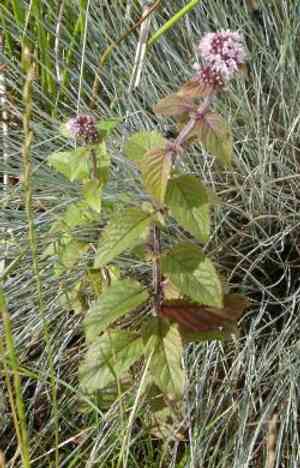
This enduring herb flourishes in moist conditions, yielding fragrant leaves and purple blossoms. For Mentha aquatica, trimming is recommended from early spring through late summer, primarily to eliminate withered or compromised leaves, thereby fostering robust development. Consistent snipping of stem ends stimulates denser growth. Pre-winter pruning enhances the plant's vitality and reduces the risk of ailments. After flowering, snip off flower stalks to boost leaf generation. Always employ sanitized, keen implements to avert contamination.
What Are the Benefits of Pruning Water Mint?
What Are the Benefits of Pruning Water Mint?
Trimming water mint promotes robust development and helps preserve its form. Cutting back excessive stems enhances air circulation, lowering disease risk. Consistent trimming fosters denser foliage, improving water mint's visual appeal and ensuring a manageable size.
What Is the Best Time for Pruning Water Mint?
What Is the Best Time for Pruning Water Mint?
The ideal times for pruning water mint are early spring and late summer, coinciding with its active growth. In early spring, as water mint emerges from winter dormancy, it's perfect for shaping before new growth begins. Spring pruning stimulates fresh foliage, encourages a bushier form, and allows removal of winter-damaged parts. Late summer trimming, post-flowering, helps control spread and maintains plant health by removing spent flowers and stems. These actions can also boost leaf yield for culinary or medicinal use. Late summer trimming ensures water mint recovers and hardens new growth before colder temperatures, which could harm tender shoots.
What Tools Do I Need to Prune Water Mint?
Hand Pruners
Perfect for trimming water mint to maintain its shape and encourage fuller growth. Hand pruners offer precise cuts without harming the stems.
Shears
Suitable for shaping water mint and easily removing lighter growth. Shears allow for quick trimming of larger areas.
Garden Scissors
Excellent for snipping off dead leaves or flowers on water mint. Garden scissors provide control for detailed pruning tasks.
Pruning Saw
Useful for cutting thick, woody stems if water mint becomes overgrown. A pruning saw helps manage larger, tougher plant sections.
How to Prune Water Mint
Step1: Identify Unhealthy Plant Parts
Locate the sections of water mint requiring pruning, such as yellow leaves, withered stems, or overgrown shoots, to focus your trimming efforts effectively.
Step2: Sanitize Pruning Tools
Disinfect your pruning shears with alcohol or a bleach solution to prevent the spread of diseases among plants.
Step3: Remove Yellow or Diseased Leaves
Begin by removing any yellow or discolored leaves from water mint, which may signal age or illness. Clip these leaves at the base of their stems, being careful not to harm nearby healthy foliage.
Step4: Trim Withered or Dead Stems
Find withered or dead stems on water mint. These stems might have brown or crumbling leaves. Cut these stems back to the base or to the next healthy offshoot using a 45-degree angled cut, promoting new growth.
Step5: Cut Back Overgrown Shoots
Prune overgrown shoots of water mint to maintain the plantâs form and encourage bushier growth. Trim these shoots just above a leaf node, where leaves emerge from the stem, to stimulate the development of two new stems.
Step6: Thin Out Dense Plant Center
Thin out the center of water mint if it appears too dense. This will improve air circulation, deter pests, and allow light to reach the plant's inner parts, promoting healthy growth.
Step7: Apply Mulch Post-Pruning
After pruning, spread a layer of mulch around the base of water mint to help retain soil moisture and suppress weed growth.
Step8: Water Plant After Pruning
Water the water mint immediately after pruning to help reduce stress from trimming and encourage recovery and new growth.
Step9: Monitor and Repeat Pruning
Regularly check water mint for new yellow leaves, withered stems, or overgrown shoots, and repeat these pruning steps as needed to maintain plant health and appearance.
Post-Pruning Care for Water Mint
Post-Pruning Care for Water Mint
Immediately after pruning, ensure water mint is in a humid environment with indirect light to minimize stress. Maintain temperatures around 65-70°F. Water moderately, allowing the soil to dry slightly between waterings. Apply a balanced liquid fertilizer to support new growth. Monitor water mint for wilting or discolored leaves, which may indicate stress or infection. If symptoms appear, adjust care and consult a horticulturist if necessary.
Common Pruning Mistakes with Water Mint
Over-Pruning Stress and Damage
Pruning too aggressively can stress or damage water mint, leading to reduced growth and vitality.
Poor Tool Maintenance Leading to Pest Entry
Using dull or unclean tools results in jagged cuts that can become entry points for pests and diseases.
Excessive Foliage Removal Hinders Photosynthesis
Removing too much foliage at once can limit water mint's ability to photosynthesize effectively and slow its recovery.
Common Pruning Tips for Water Mint
Use Sharp, Clean Shears for Healthy Cuts
Always use sharp, clean pruning shears or scissors to make precise cuts without crushing the stems of water mint.
Thin Dense Growth and Remove Unhealthy Stems
Focus on thinning out dense growth and removing any dead, diseased, or damaged stems to maintain good air circulation and encourage healthy, vigorous growth.
Prune Above Leaf Nodes for Bushier Growth
When cutting back water mint, aim to prune just above a leaf node to promote bushier growth and prevent leaving long stem stubs that can decay.



