How Much Sunlight Do Water mint Need?
1
Water mint flourishes optimally with a minimum of 6 hours of daily sun exposure.
2
Provide your Water mint with some shade if full sun isn't achievable.
3
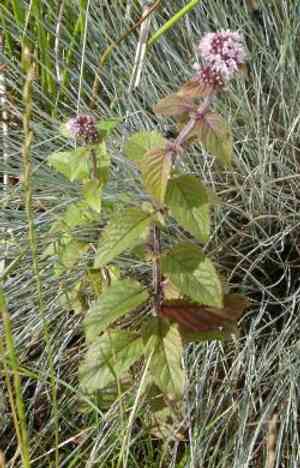
Thriving Water mint specimens exhibit lively green foliage.
Grasping Water mint's Light Needs
Optimal Light Exposure for Water mint
Water mint, prized for its refreshing scent and vivid green leaves, thrives when exposed to ample sunlight. This plant greatly benefits from full sun, meaning it should ideally receive more than 6 hours of direct sunlight daily. Sufficient light ensures vigorous growth and healthy, fragrant foliage, making it a delightful garden addition.
How Much Direct Sunlight is Appropriate for Water mint?
For Water mint, a minimum of 6 hours of direct sunlight is considered ideal. If the site permits, aim to provide direct sunlight exposure for up to 8 hours. Placing your plant in a sunny garden spot will result in lush growth and a potent minty aroma, enhancing your garden's overall appeal.
Can Water mint Flourish in Shade?
While Water mint prefers full sun, it can endure partial sun conditions. In settings where full sunlight isn't possible, ensure the plant still gets at least 4 hours of sunlight, preferably in the morning. Though growth may be slower and less robust in shaded areas, the plant can still survive and offer its sweet fragrance with partial sunlight.
Indicators of Proper Sunlight for Water mint
Signs of Healthy Development
Healthy Water mint plants display vibrant, luxuriant green foliage. When exposed to adequate sunlight, growth becomes dense, and stems remain firm and upright. You might also detect a rich minty scent in the air, signaling a contented plant.
Leaf Hue and Texture
Leaves of appropriately sunlit Water mint are typically a deep, vivid green with a slightly shiny texture. The leaves should feel firm yet somewhat flexible to the touch. If the foliage maintains these characteristics, it indicates your plant is receiving the correct amount of sunlight.
Peak Flowering
When Water mint is well-positioned regarding sunlight, it will produce small, delicate flowers, often in shades of lilac or pink. These blooms usually appear in late summer, adding a splash of color to your garden and showing that your sunlight management is effective.
Resolving Sunlight Issues with Water mint
Symptoms of Insufficient Sunlight
If Water mint doesn't receive enough sunlight, you'll notice several clear signs such as yellowing leaves, elongated stems, and reduced fragrance. The plant may also grow more slowly and exhibit sparse foliage, indicating it needs to be moved to a sunnier location.
Correcting Excessive Sunlight Exposure
Conversely, too much direct sunlight, especially during peak afternoon hours, can cause leaves to scorch and turn brown. To remedy this, consider relocating your Water mint to a spot that offers some afternoon shade or using a light shade cloth to filter intense sunlight.
Adjusting Light Levels Throughout the Year
Sunlight levels can vary significantly with the seasons. During summer, ensure your Water mint isn't overexposed to intense midday sun. In contrast, during winter, move the plant closer to a light source if indoors, or ensure it gets the maximum available sun exposure outdoors.
Best Practices for Sunlight Management for Water mint
Optimal Planting Locations
Select a garden spot that receives ample morning sunlight for your Water mint. South or west-facing areas are typically the best choices. If planting in containers, ensure they are positioned to capture the most sun throughout the day.
Utilizing Shade Cloths and Supplemental Lighting
In areas with extreme sunlight, use shade cloths to shield your Water mint from the harshest rays. Additionally, if growing indoors or in low-light conditions, consider supplementing with artificial grow lights to ensure the plant receives sufficient illumination.
Seasonal Adjustments for Ideal Sunlight
As seasons change, monitor the sunlight your Water mint receives. In winter, when sunlight is scarce, you might need to move your plant to a sunnier spot. During summer, ensure it gets enough light without overexposure, which can be managed by providing afternoon shade.



