How to Transplant Siberian melicgrass?
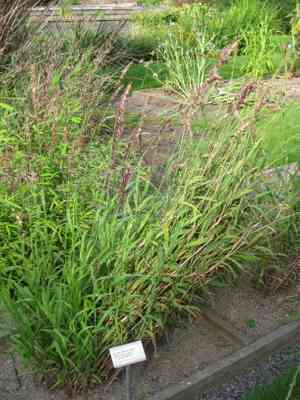
The most favorable time to relocate siberian melicgrass is amidst the warmth of summer, which facilitates quick root development. Select a location offering dappled sunlight and soil that drains effectively. Gentle management of the root system is crucial for successful adaptation.
What Preparations are Needed Before Transplanting Siberian Melicgrass?
What is the Ideal Time for Transplanting Siberian Melicgrass?
The height of summer offers the perfect period for relocating siberian melicgrass, as this season encourages rapid root development and growth. Enjoy a smooth transition and vigorous growth during this time!
How Much Space Should You Leave Between Siberian Melicgrass Plants?
Firstly, allow siberian melicgrass ample room to expand. Aim for a separation of approximately 1-2 feet (30-60 cm). This extra space enables full plant development and helps deter disease.
What is the Best Soil Mix for Siberian Melicgrass Transplanting?
Regarding soil, siberian melicgrass prefers well-draining soil enriched with organic matter. A generous application of compost or aged manure provides an excellent foundational fertilizer. Remember to blend it thoroughly with the soil!
Where Should You Relocate Your Siberian Melicgrass?
Finally, the placement! Siberian melicgrass thrives in sunlight, but can also endure partial shade. Therefore, seek a garden spot that receives abundant sunlight throughout the day, yet also some shade.
What Equipments Should You Prepare Before Transplantation Siberian Melicgrass?
Gardening Gloves
To safeguard your hands while working with soil and handling your siberian melicgrass plant.
Shovel or Spade
These are essential for excavating the planting hole and for removing the plant from its original ground location.
Gardening Trowel
Perfect for extracting small siberian melicgrass plants from containers or seedling trays. Trowels facilitate digging around roots without causing harm.
Watering Can or Garden Hose
For hydrating the plant during and after its relocation.
Pruning Shears
To trim any damaged or diseased roots of your siberian melicgrass plant prior to moving it to its new spot.
Burlap or Tarp
To wrap and safeguard the root ball throughout the transplanting process.
How Do You Remove Siberian Melicgrass from the Soil?
How Do You Remove Siberian Melicgrass from the Soil?
From Ground: Start by thoroughly watering your siberian melicgrass plant to moisten the soil. Then, using a shovel or spade, carefully dig a wide circle around the plant. Ensure a safe distance from the base to prevent root damage. Once you've encircled the plant, gently work the spade beneath the root ball, ensuring all roots are intact, then lift the plant out of the ground. Place the plant on burlap or a tarp to protect the root ball.From Pot: First, water the siberian melicgrass plant in its pot to loosen the soil. Turn the pot sideways and gently tap it to release the plant. If it's stubborn, you might need to slide a trowel along the pot's inner edge to encourage the root ball to slide out.From Seedling Tray: Water the seedlings beforehand. Then, holding the siberian melicgrass seedling at root level, gently lift it and its soil from the tray. Be careful not to harm the young roots during this process.
Step-by-Step Guide for Transplanting Siberian Melicgrass
Preparation
Water your siberian melicgrass plant thoroughly in its current spot a few hours before transplanting. This helps reduce stress and prevent dehydration.
Digging Your Hole
With your shovel, excavate a hole twice the width of the root ball and equally deep in the new location.
Placing the Plant
Position your siberian melicgrass in the center of the hole. The top of the root ball should be level with the soil surface. Correct placement now avoids later adjustments.
Refilling The Hole
Backfill your hole with the native soil, pressing it down around the plant's base. This will eliminate any large air pockets.
Watering
Immediately after planting, water the siberian melicgrass thoroughly to settle the soil.
How Do You Care For Siberian Melicgrass After Transplanting?
Regular check-ups
Periodically inspect your siberian melicgrass to confirm it's recovering well from the transplant. Look for new growth, a positive sign of successful relocation.
Pruning
If the siberian melicgrass plant appears stressed or if branches begin to wilt post-transplant, trim the wilting sections to redirect nutrients to healthier parts.
Watering
Water deeply and completely right after transplanting, then continue watering every couple of days. Adjust watering frequency as needed, based on weather and soil moisture levels.
Protection
In anticipation of extreme weather conditions immediately after transplantation, consider temporarily covering your siberian melicgrass with a plant cover for protection.
Troubleshooting Common Issues with Siberian Melicgrass Transplantation.
When is the best time to transplant siberian melicgrass?
The optimal period for transplanting siberian melicgrass is from late spring to early summer (S4-S6). This is when the plant is most likely to recover quickly from the shock of being moved.
What should be the ideal space between the siberian melicgrass plants when transplanting?
Provide siberian melicgrass ample room to grow. Aim for a spacing of approximately 1-2 feet (30-60 cm) apart. This ensures they don't compete for resources and hinder each other's growth.
How deep should I dig the hole for transplanting siberian melicgrass?
The hole should be twice as wide as and the same depth as the root ball of the siberian melicgrass. This will provide sufficient space for the roots to spread and establish.
What is the right soil type needed for transplanting siberian melicgrass?
Siberian melicgrass prefers well-drained soil with a high organic matter content. If you have clay or sandy soil, adding compost can help improve its structure and nutrient content.
Can I transplant siberian melicgrass in a container?
Absolutely! Siberian melicgrass can be cultivated in a sizable pot or container, but ensure it has adequate drainage to prevent waterlogging, which could harm the plant.
Is there any special care needed after transplanting siberian melicgrass?
After transplantation, siberian melicgrass requires appropriate watering until they are fully established. Be vigilant for any signs of distress such as wilting or yellowing leaves.
Should I fertilize siberian melicgrass immediately after transplanting?
Wait a few weeks before you begin fertilizing siberian melicgrass after transplanting. The roots need time to establish without being overwhelmed by nutrients. When you do start, use a balanced, slow-release fertilizer.
What is the appropriate amount of sunlight required for siberian melicgrass after transplantation?
Providing partial shade to full sun after transplantation will help siberian melicgrass grow well. Just remember, very hot, direct sunlight could be damaging. So, monitor your plant's condition regularly.
How often should I water siberian melicgrass after transplanting?
Water the siberian melicgrass generously immediately after transplanting. Afterwards, keep the soil consistently moist, but not waterlogged. Over time, reduce watering as the plant establishes itself.
What if the leaves of siberian melicgrass start to wilt after transplantation?
Wilting after transplantation could be 'transplant shock'. Keep the soil moist, protect the plant from harsh sunlight, and give it time. If the problem persists, consult with a local nursery or extension service.



