How to Propagate Siberian melicgrass?
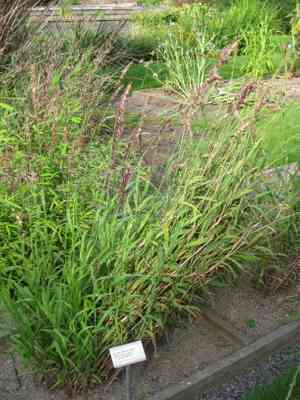
Siberian melicgrass, a perennial herbaceous plant, effectively multiplies via separation, a method well-suited to its clustered growth pattern. When performing this separation, it is best to gently divide the plant into smaller units, making sure each possesses an intact segment of the root structure. This approach facilitates rapid recuperation and successful integration into new environments. It is beneficial to carry out the division when siberian melicgrass is not undergoing its primary growth period, thereby reducing strain on the specimen.
When Is the Best Time to Propagate Siberian Melicgrass?
Propagation Method
Separation
Propagation Period
Spring,Autumn
What Tools Are Used for Siberian Melicgrass Propagation?
Garden Spade
Used for digging up and lifting siberian melicgrass from the ground effectively. Its flat, sharp blade is perfect for cutting through soil and making clean cuts on the root system, reducing damage during division. This tool is vital for ensuring that siberian melicgrass divisions have intact roots for better establishment.
Gardening Gloves
Offers protection to the propagator's hands from potential skin irritations or injuries during the division of siberian melicgrass. Gloves also improve grip on the plant and tools, ensuring safe and precise handling during the propagation process.
Watering Can with a Fine Rose
Ensures that newly divided siberian melicgrass is watered gently and evenly. The fine rose attachment allows for a soft and dispersed water flow, which is crucial to prevent washing away or over-saturating freshly planted divisions.
Rooting Hormone Powder
Promotes fast and healthy root development in siberian melicgrass after division. This specialized tool boosts root growth, which is crucial for the establishment and viability of new plants. Rooting hormone ensures higher success rates in propagation by enhancing the plantâs natural ability to form new roots.
Label and Marker
Used to mark and identify propagated siberian melicgrass plants, including important information such as the propagation date and specific care requirements. This organizational tool is important for maintaining a systematic propagation process, especially when handling multiple plants.
Garden Trowel
Facilitates the transplanting of siberian melicgrass divisions into new pots or garden locations. The trowel's small, pointed blade is perfect for creating precise planting holes and handling smaller plant divisions delicately, ensuring minimal disturbance to new roots.
How to Propagate Siberian Melicgrass?
Propagation Difficulty
Simple
How to Care for Your Newly Propagated Siberian Melicgrass?
How to Care for Your Newly Propagated Siberian Melicgrass?
Once siberian melicgrass is established, maintain a consistent watering schedule during dry periods as it prefers consistently moist soil. Apply mulch around the base to retain moisture and suppress weeds. Annually replenish organic material in the soil to promote healthy growth. Seasonal removal of spent foliage can promote a cleaner appearance and vibrant growth for the upcoming season. Avoid overwatering as siberian melicgrass thrives in well-drained conditions.
Common Mistakes to Avoid When Propagating Siberian Melicgrass
Poor soil preparation
Inadequate soil preparation can hinder root development, leading to poor establishment of siberian melicgrass. Rich, well-drained soil is necessary for optimal growth.
Excessive watering
Too much moisture can cause root rot, which is harmful to the health of siberian melicgrass. It's essential to maintain a balance between moist and soggy soil conditions.
Deep planting
Planting seeds too deeply can prevent germination, as siberian melicgrass seeds require light to germinate effectively.
Incorrect division timing
Failure to divide siberian melicgrass at the appropriate growth stage can result in transplant shock or poor root establishment.
Ignoring local climate
Disregarding local climate conditions can lead to unsuitable propagation environments, negatively affecting siberian melicgrass's growth.
Tips For Propagating Siberian Melicgrass
Soil mixture
Use a loose, fertile, and well-draining soil mixture to encourage healthy root growth and aeration for siberian melicgrass.
Consistent moisture
Keep the soil consistently moist, but not waterlogged, to support seed germination and growth of siberian melicgrass without risking root rot.
Surface sowing
Sow the seeds on the soil surface and lightly press them in, as siberian melicgrass seeds need light to germinate effectively.
Careful division
Divide siberian melicgrass by carefully separating the root clumps, ensuring that each division has several growing points for successful propagation.
Microclimate adaptation
Adjust propagation techniques to create a microclimate that caters to siberian melicgrass's optimum growth conditions, regardless of local climate variations.



