The Siberian melicgrass Plant Advantage: Maximizing Home and Office Appeal and Wellness
1
Siberian melicgrass is recognized for its impressive capacity to flourish in diverse soil conditions, positioning it as a flexible option for cultivators.
2
The thick leaves of Siberian melicgrass offer superb ground coverage and inhibit soil degradation.
3
Siberian melicgrass demands little upkeep, needing less water and attention than other decorative grasses.
What Makes Siberian melicgrass Unique?
Adaptability to Different Soil Types
A remarkable characteristic of Siberian melicgrass is its capacity to thrive in diverse soil conditions. Regardless of whether the soil is sandy, clay, or loamy, Siberian melicgrass exhibits vigorous growth. This versatility makes it an excellent option for regions with varied soil compositions, reducing the need for soil modifications.
Drought Tolerance
Siberian melicgrass is particularly well-suited for arid climates or areas prone to water scarcity. Its extensive root system enables it to access moisture from deeper soil layers, lessening the need for frequent irrigation. This trait not only conserves water but also positions Siberian melicgrass as a sustainable choice for environmentally conscious gardeners.
How Does Siberian melicgrass Enhance Garden Aesthetics?
Appealing Visual Structure
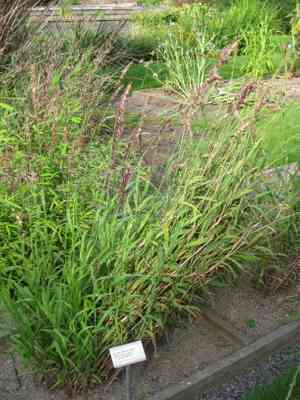
Siberian melicgrass contributes a distinct, structured beauty to gardens with its tall, slender stalks and delicate floral spikes. The plant's upright growth habit complements various garden designs, offering a contrast to broader, more rounded plants. It generates visual appeal and can serve as a focal point in landscape projects.
Seasonal Color Changes
Throughout its active growth period, Siberian melicgrass undergoes subtle color shifts that enhance its visual charm. Beginning with vibrant green foliage in spring, it transitions to golden hues in autumn. This dynamic color palette provides year-round interest and can be strategically utilized to create seasonal garden highlights.
What Are the Ecological Benefits of Planting Siberian melicgrass?
Soil Erosion Prevention
The dense root system of Siberian melicgrass plays a crucial role in preventing soil erosion. By stabilizing the soil, this plant helps maintain the integrity of garden beds and slopes. It is especially beneficial in areas susceptible to heavy rainfall or wind, preventing the loss of valuable topsoil.
Habitat for Wildlife
Siberian melicgrass offers a habitat for various forms of wildlife, including insects, birds, and small mammals. The plant's structure provides shelter and nesting sites, contributing to biodiversity. Insects, particularly pollinators like bees, benefit from the flowers, while birds may use the grass for nesting materials.
How Can Siberian melicgrass Be Integrated into Garden Design?
Border and Accent Planting
Siberian melicgrass is an excellent selection for border and accent planting. Its tall, graceful form can define garden edges or pathways, creating a natural boundary. When utilized as an accent, it adds height and visual interest, drawing attention to specific garden areas.
Companion Planting
Pairing Siberian melicgrass with other plants can improve the overall health and beauty of your garden. It combines well with other drought-tolerant species, such as lavender and sage, forming a cohesive and water-efficient planting scheme. Additionally, its tall stature can provide shade and support for shorter, sun-sensitive plants.
Maintaining Siberian melicgrass: Tips and Best Practices
Minimal Watering Needs
Siberian melicgrass requires minimal irrigation once established. During the initial growth phase, consistent watering is necessary to aid root establishment. However, after this period, the plant thrives on natural rainfall, making it a low-maintenance option.
Pruning and Care
Pruning Siberian melicgrass is straightforward and typically involves cutting back the stems in late winter or early spring before new growth emerges. This practice helps maintain the plant's structure and promotes healthy development. Occasional division of clumps every few years can also rejuvenate older plants.



