How Much Sunlight Do Siberian melicgrass Need?
1
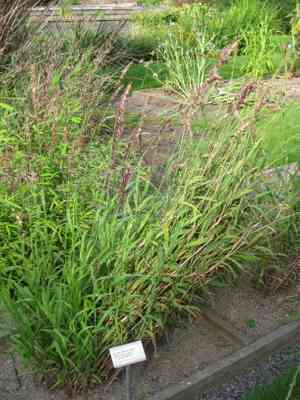
Siberian melicgrass flourishes optimally with ample sunlight, requiring over six hours of direct light each day.
2
Siberian melicgrass can tolerate partial shade, though its growth might not be as robust.
3
Excessive sun exposure can cause leaf burn and discoloration, whereas insufficient light leads to stunted development and yellow foliage.
Optimal Light Conditions for Siberian Melicgrass
Full Sun Requirements
For Siberian melicgrass, full sun signifies receiving over 6 hours of direct solar exposure daily. This level of light promotes vigorous development and rich, green foliage. Position your grass in an area that gets uninterrupted sunlight for most of the day, such as an open field or a south-facing garden.
Partial Shade Tolerance
Siberian melicgrass is quite adaptable and can endure partial shade, getting approximately 3 to 6 hours of direct sunlight each day. While its growth won't be as robust as in full sun, it can still maintain good health. This makes it suitable for spots with filtered light or morning sun followed by afternoon shade.
Indoor Light Needs
When cultivated indoors, Siberian melicgrass needs bright, indirect illumination. Place it near a south or west-facing window where it can receive ample brightness without direct exposure that might scorch its leaves. If natural light is insufficient, consider supplementing with artificial grow lights to ensure it gets at least 6 hours of light daily.
Identifying Proper and Insufficient Sunlight Exposure
Indicators of Sufficient Sunlight
Vigorous, healthy growth and a vibrant green hue are strong signs that Siberian melicgrass is getting enough sunlight. Other indicators include the plant's leaves standing upright and the grass spreading uniformly, filling the space without becoming sparse or weak.
Symptoms of Light Deficiency
When Siberian melicgrass isn't receiving adequate sunlight, you'll observe several issues. Slow development, yellowing leaves, and thin, elongated stems suggest a need for more light. Additionally, the grass may become sparse, with gaps appearing as it struggles to photosynthesize effectively.
Effects of Excessive Sunlight
Conversely, too much sunlight can burn the tips of Siberian melicgrass, leading to brown, brittle edges and faded, bleached leaves. If exposed to intense midday sun without sufficient water, the grass can suffer heat stress, appearing wilted and lifeless.
Maximizing Sunlight Exposure for Siberian Melicgrass
Best Garden Locations
To optimize sunlight exposure for Siberian melicgrass, select a garden spot that receives the most sunlight throughout the day. South-facing areas are typically ideal. Ensure the location has good drainage and relatively open surroundings to prevent shading from nearby taller plants or structures.
Utilizing Artificial Grow Lights
Artificial grow lights, such as full-spectrum LED lights, can be very beneficial when natural sunlight is inadequate. Position these lights about 30-45 cm (12-18 inches) above the grass and keep them on for at least 6 hours, mimicking the natural daylight cycle. This is especially useful for indoor or shaded garden setups.
Seasonal Light Adjustments
During different seasons, the angle and intensity of sunlight can change. In spring and summer, ensure Siberian melicgrass isn't exposed to harsh midday sun without adequate hydration. In autumn and winter, reposition pots or adjust grow lights to compensate for lower light conditions and shorter days.
Common Questions About Siberian Melicgrass and Sunlight
Can Siberian Melicgrass Grow in Low Light Conditions?
Siberian melicgrass can survive in low light conditions, but it will not flourish. Its growth becomes stunted, and its foliage may lose vibrancy. Providing at least 3-6 hours of light, even if artificial, ensures better health.
How Much Sunlight is Excessive?
Excessive sunlight, particularly beyond 8 hours of direct exposure, can harm Siberian melicgrass. Look for signs of leaf scorching or bleaching, which indicate the need for partial shading during peak sunlight hours.
What are the Best Companion Plants for Maximizing Sunlight?
Companion plants for Siberian melicgrass should have similar sunlight requirements and not overshadow it. Plants like coreopsis or echinacea are excellent choices as they also thrive in full sun conditions and help maintain a balanced garden ecosystem.



