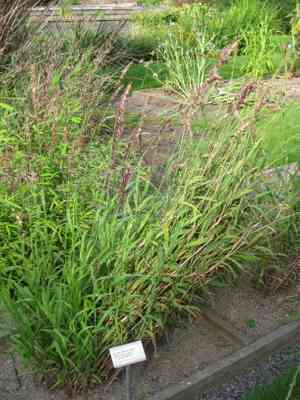
Siberian melicgrass (Melica altissima)
Also known as: Siberian melic
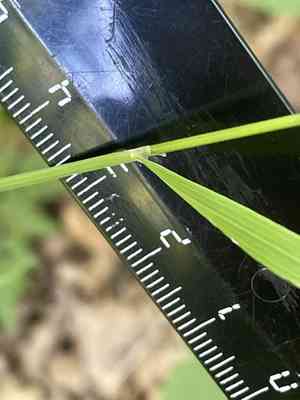
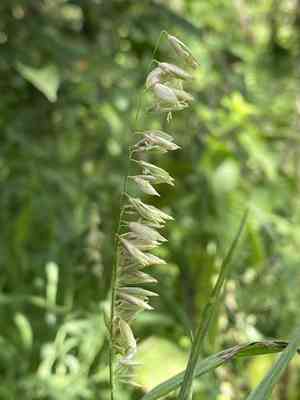
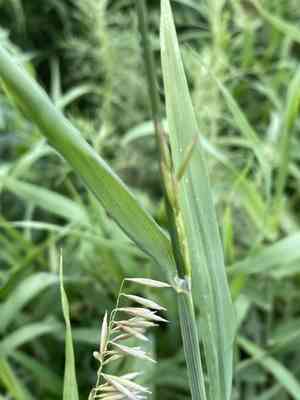
High pearl grass, known for its persistence, features long underground runners. The stalks typically grow between 40 to 150 cm in height. Its flat leaves are 5 to 15 mm wide, and the ligule is ovate, measuring 3 to 5 mm in length. A notable characteristic is its dense, somewhat interrupted panicle, which is 10 to 20 cm long. Additionally, the stalks exhibit rough spike hairs below the panicle.
In This Article
Attributes of Siberian melicgrass
Lifespan
Perennial
Plant Type
Grass
Plant Height
90 cm
Spread
60 cm
Leaf Color
Green
Flower Size
10 cm to 20 cm
Flower Color
White Yellow Green Purple Brown Black
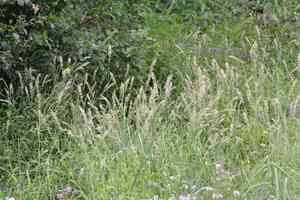
Images of Siberian melicgrass
Quickly Identify Siberian melicgrass
1
Identify Melica altissima by its tall, arching stems that can reach up to 1.5 meters in height. Its leaves are narrow, flat, and light green, and it produces loose, nodding panicles of small, spikelet flowers during the blooming season.
Scientific Classification of Siberian melicgrass
Phylum
Vascular plants
Class
Monocotyledons
Order
Poales
Family
Grass
Genus
Melics
Species
Siberian melicgrass
Planting and Growing of Siberian melicgrass
Care Difficulty
Easy
Watering Schedule
Every 2 days
Sunlight Requirements
Partial sun
Sunshine Duration
6-12 hours
Ideal Temperature
50-77℉
Soil Type
Potting Mix, Peat Mix
Soil pH
6.5-7.5
Fertilizer Type
Balanced
Pruning Season
Spring, Summer
Pruning Area
Branches, Leaves
Pruning Frequency
2 times a year
Repotting Season
Spring
Pot Type
Plastic, Ceramic
 How to Water Siberian melicgrass?
For Melica altissima, water thoroughly until the soil is moist to a depth of about 6 inches. This ensures the roots receive adequate moisture. Adjust based on the plant's environment and pot size.
What are the symptoms of an underwatered Siberian melicgrass?
›
What should I do if my Siberian melicgrass is not getting enough water?
›
What are the symptoms of an overwatered Siberian melicgrass?
›
How to save an overwatered Siberian melicgrass?
›
 What Are the Sunlight Requirements for Siberian melicgrass?
Partial sun offers the perfect balance for Melica altissima, supporting its growth while preventing leaf burn. Ideal lighting ensures vibrant foliage and robust health.
More About Sunlight Requirements Techniques→
What is the best location for Melica altissima?
›
How to ensure Melica altissima receives adequate light?
›
What are the benefits of ideal lighting for Melica altissima?
›
 What Is the Ideal Temperature Range for Siberian melicgrass?
Melica altissima thrives best in a temperature range from 50°F to 77°F. This range provides an optimal environment for growth, ensuring that the plants maintain robust health and vitality. Maintaining consistent temperatures within this range helps in achieving maximum photosynthetic efficiency and development.
 What Soil is Best for Siberian melicgrass?
Melica altissima thrives in well-drained soil as it prevents waterlogging, ensuring that the roots do not rot. Proper drainage allows the roots to access sufficient oxygen, promoting healthy growth and maintaining the plant's overall vitality. This species prefers moderately fertile soil, which provides necessary nutrients without the risk of excessive nutrient accumulation that can harm the plant. Nutrient-rich but balanced soil supports robust growth and vibrant foliage. While well-drained, the soil should also retain some moisture to keep the roots consistently hydrated between watering. This balance helps sustain the plant in regions with irregular rainfall patterns, ensuring continuous growth throughout the growing season.
 How to Fertilize Siberian melicgrass?
For Melica altissima, it's essential to provide moderate amounts of fertilizer to avoid overwhelming the plant. Use about 1/4 cup of balanced liquid fertilizer per application during the growing season, ensuring it's diluted to half strength to prevent root burn.
 How to Prune Siberian melicgrass?
Inspect your Melica altissima and look for any browning, damaged, or diseased grass blades. These should be the focus of your pruning efforts, as removing them will encourage new, vigorous growth. When pruning, make cuts at a 45-degree angle. This allows moisture to travel off the cut, reducing the chance of mould and rot, and aids in the plant's recovery.
More About Pruning Techniques→
 How to Propagate Siberian melicgrass plant?
1
Begin by filling seed trays with a well-draining potting mix. Moisten the soil lightly before sprinkling the Melica altissima seeds on top. Cover the seeds with a thin layer of soil and water gently. Ensure the seed trays are placed in a warm spot with indirect sunlight.
2
Prepare the plant for division by thoroughly watering it a day before you plan to divide it. This helps loosen the soil, making the division process easier. Gently lift the plant with a garden trowel, carefully separating the root clumps.
3
Once the root clumps are divided, replant them in prepared garden soil or pots. Ensure each new plant has enough space to grow and water them thoroughly after replanting. Keep the soil consistently moist during the initial growth phase.
 How to Repot Siberian melicgrass plant?
1
Melica altissima should be repotted when you notice roots growing out of the drainage holes or the plant appears stunted because the roots are crowded. These are clear signals that the current pot has become too small and the plant requires more space to thrive.
2
Select a pot that is 1-2 inches larger in diameter than the current one. Ensure it has drainage holes to prevent waterlogging, which can lead to root rot. The pot should provide enough space for root expansion, promoting healthier growth.
3
Opt for well-drained loamy soil. This type of soil provides a balance of moisture retention and drainage, essential for healthy root development. It ensures that the roots have access to both water and air, preventing conditions that could lead to fungal diseases.



