How to Prune Siberian melicgrass?
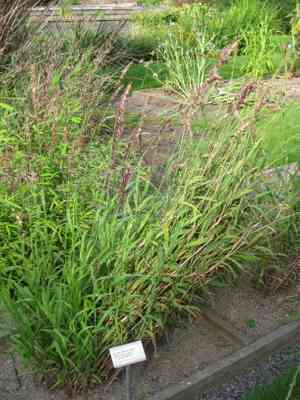
Recognized for its lofty, curving plumes of delicate blossoms, siberian melicgrass bestows grace upon landscapes with its forest-like grass appeal. Trimming ought to focus on withered or discolored leaves, preserving a tidy look. The beginning of spring prior to fresh development, or late winter during its inactive phase, represent ideal periods for pruning to foster robust revitalization. Pruning not only deters self-propagation but also stimulates thicker, more vivid development, elevating its decorative worth and guaranteeing garden vitality.
What Are the Benefits of Pruning Siberian Melicgrass?
What Are the Benefits of Pruning Siberian Melicgrass?
Trimming siberian melicgrass encourages robust, healthy shoots, ensuring its vitality. Cutting back helps maintain a dense form, preventing excessive growth and improving garden aesthetics.
What Is the Best Time for Pruning Siberian Melicgrass?
What Is the Best Time for Pruning Siberian Melicgrass?
Pruning siberian melicgrass in early spring is advised as this is when the plant starts emerging from dormancy, allowing gardeners to guide new shoot development and preserve its shape without causing stress. Winter pruning, when siberian melicgrass is fully dormant, is also appropriate as it minimizes disease spread and avoids cutting into new spring growth. Pruning during these periods ensures energy is directed towards siberian melicgrass's healthy development, promoting vigorous growth and reducing damage or disease. It also prevents cutting the plant during its active growth and flowering in late spring and summer, which could negatively impact its health and bloom display.
What Tools Do I Need to Prune Siberian Melicgrass?
Hand Pruners
Perfect for snipping slender stems, removing dead foliage, and shaping siberian melicgrass due to their precision and ease of use.
Pruning Shears
Ideal for cutting through thicker stems of siberian melicgrass for routine thinning and removal of spent flowers, ensuring clean, healthy cuts.
Grass Clippers
Useful for refining and shaping the grassy clumps without harming nearby plants; especially good for siberian melicgrass's grass-like leaves.
Gardening Gloves
Protection is crucial when pruning siberian melicgrass to prevent irritation or injury from sharp edges and rough plant material. Gloves should be considered an essential tool.
Garden Waste Bags
Necessary for collecting and disposing of pruned material from siberian melicgrass, keeping the area tidy and preventing the spread of any potential pests or diseases.
How to Prune Siberian Melicgrass
Disinfect Tools
Before beginning the pruning process on siberian melicgrass, ensure all pruning tools are clean and disinfected to prevent disease transmission.
Identify Parts
Examine siberian melicgrass closely to locate any diseased or withered leaves that need removal. Diseased leaves may show signs of discoloration or spots, while withered leaves are typically dry and brown.
Cut Diseased Leaves
Using your disinfected pruning shears, carefully trim away any diseased leaves from siberian melicgrass. Make cuts at the leaf's base, close to the main stem, to remove the entire leaf without leaving stubs that could attract pests.
Remove Withered Leaves
Next, remove the withered leaves from siberian melicgrass in the same manner, cutting at the leaf's base to maintain a neat appearance and improve air circulation.
Cleanup
After completing the pruning of siberian melicgrass, clear all removed foliage from the ground around the plant to reduce the potential for disease and decay. Dispose of the debris properly.
Common Pruning Mistakes with Siberian Melicgrass
Over-Pruning
A common error is removing too much foliage from siberian melicgrass, which can stress the plant and reduce its vigor. Aim to remove no more than one-third of the growth in a single pruning session.
Improper Tool Use
Using dull or dirty pruning tools can lead to jagged cuts and introduce disease to siberian melicgrass. Always use sharp, clean shears for precise cuts.
Neglecting Dead Material
Failing to remove dead or dying foliage can impede new growth and potentially attract pests or disease. Regularly check for and prune out dead material.
Ignoring Plant Shape
Random or excessive cutting without considering the natural shape of siberian melicgrass can result in an unattractive appearance and impair the plant's growth pattern.
Pruning Live Tissue
Avoid cutting into the green, living tissue when removing dead foliage or seed heads. This can cause unnecessary damage to siberian melicgrass.
Common Pruning Tips for Siberian Melicgrass
Timing
Prune siberian melicgrass when the plant is dormant, or immediately after flowering to maintain its shape and prevent it from growing too large.
Gradual Thinning
Thin out siberian melicgrass gradually over several seasons to keep it healthy and to maintain its natural form without causing shock.
Cutting Height
When trimming siberian melicgrass, cut the foliage to a height that allows for new growth without stunting the plant. Generally, cutting to about a few inches above ground level is suitable.
Selective Pruning
Practicing selective pruning by removing only the older, outer stems of siberian melicgrass encourages the growth of new stems from the base.
Sanitation
Keep the base of siberian melicgrass clear of debris and clippings after pruning to promote good air circulation and reduce the risk of fungal diseases.



