Enhancing Your Garden Design with the Siberian melicgrass Plant: A Landscaping Guide
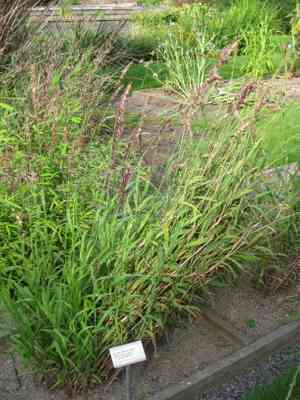
1
Siberian melicgrass is a adaptable decorative grass suitable for both contemporary and classic garden designs.
2
This hardy plant provides continuous aesthetic value with little upkeep.
3
Siberian melicgrass positively impacts ecological balance through increased biodiversity.
Appreciating the Beauty of Siberian Melicgrass
Why is Siberian melicgrass an excellent choice for contemporary landscapes?
For modern landscape design, Siberian melicgrass offers distinct advantages. Its refined form and gentle sway introduce calm and order to current garden schemes. Siberian melicgrass delivers a minimalist charm without appearing stark or empty. Its upright growth habit creates an impression of height, making it ideal for adding depth and dimension, even in compact areas. Moreover, Siberian melicgrass is highly adaptable, fitting seamlessly into diverse aesthetic concepts, from Zen gardens to urban green spaces.
Visual characteristics of Siberian melicgrass: Texture and color profile
The visual allure of Siberian melicgrass stems from its elegant texture and unique color palette. Throughout its active growth period, its slender blades provide a soft, flowing texture that can soften harsh hardscaping elements like stone paths or metal sculptures. The colors of Siberian melicgrass shift from a vibrant green in spring and summer to golden hues in autumn, offering a dynamic visual appeal that evolves with the seasons. This color versatility allows Siberian melicgrass to serve as a prominent feature or a complementary backdrop for more vivid plants.
Design Concepts: Incorporating Siberian Melicgrass into Your Garden
Creating focal points with Siberian melicgrass
One of the most effective ways to utilize Siberian melicgrass in your garden is to establish striking focal points. To achieve this, plant Siberian melicgrass in groupings or expansive drifts to capture attention and generate visual interest. Placing Siberian melicgrass in prominent locations such as the center of a garden bed or alongside pathways can create natural centers of focus. Pairing the elegant swaying grass with outdoor lighting can also enhance its charm during evening hours, fostering a tranquil atmosphere.
Complementary plants and Siberian melicgrass: Achieving a cohesive look
To develop a cohesive garden design, consider pairing Siberian melicgrass with compatible plants. Its neutral tones blend well with a variety of perennials and shrubs. For a vibrant contrast, try planting Siberian melicgrass alongside colorful flowers like lavender or echinacea. If you prefer a more muted palette, silver-leaved plants such as artemisia or gray santolina can create a harmonious and sophisticated appearance. The key is to ensure that companion plants have similar water and light requirements to maintain a balanced and thriving garden.
Border and edging ideas using Siberian melicgrass
Borders and edging are crucial design elements where Siberian melicgrass can play a significant role. Its graceful stems make an excellent border for garden beds, providing a soft and natural barrier. You can use Siberian melicgrass to line pathways, creating a fluid transition between lawn areas and hardscape features. For a modern touch, consider incorporating Siberian melicgrass into raised beds or mixed borders that combine different textures and heights. This approach not only enhances visual interest but also helps define the structure of your garden.
Seasonal Considerations for Siberian Melicgrass in Landscaping
Optimal times of the year to plant Siberian melicgrass
Timing is critical when planting Siberian melicgrass to ensure its successful establishment and growth. The best periods to plant Siberian melicgrass are in early spring or fall when temperatures are cooler, and moisture levels are more consistent. Planting in spring allows Siberian melicgrass to benefit from warming soil and the growing season, promoting robust root development. Fall planting, conversely, gives Siberian melicgrass time to establish roots before winter, setting the stage for vigorous growth in spring.
Maintaining Siberian melicgrass's visual appeal throughout the seasons
Maintaining the visual appeal of Siberian melicgrass requires some seasonal care. During the growing season, regular watering and occasional trimming of dead leaves are sufficient. In autumn, it's beneficial to cut back the foliage to a few inches above ground level to prepare for new growth in spring. This seasonal pruning helps keep the plant healthy and rejuvenated. Additionally, considering a layer of mulch around the base can protect roots from extreme temperatures, aiding in the plant's overall health and visual consistency.
Environmental Advantages of Using Siberian Melicgrass in Outdoor Spaces
Enhancing biodiversity with Siberian melicgrass
Incorporating Siberian melicgrass into your landscape not only beautifies your garden but also boosts local biodiversity. Siberian melicgrass provides habitat and food sources for various insects and wildlife, contributing to a balanced ecosystem. Its dense clumps offer shelter for small animals and attract pollinators like bees and butterflies during its flowering period. By using Siberian melicgrass, you're supporting your garden's natural biodiversity, promoting a healthy environment.
How Siberian melicgrass contributes to eco-friendly landscaping practices
Beyond its beauty and biodiversity benefits, Siberian melicgrass is a prime example of eco-friendly landscaping. Its low maintenance requirements mean reduced water usage, making it an excellent choice for drought-tolerant gardens. Siberian melicgrass also prevents soil erosion thanks to its dense root system, which helps stabilize the ground. Furthermore, it contributes to a reduced carbon footprint as it requires minimal fertilization and pest treatment. By opting for Siberian melicgrass, you're taking a step towards a more sustainable and environmentally friendly garden.



