How to Transplant Texas bluebonnet?
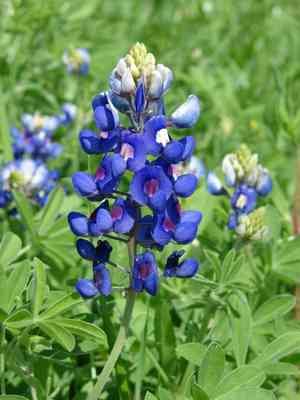
For texas bluebonnet, the ideal period for relocation extends from the middle of spring to the beginning of summer, guaranteeing vigorous development. Select a brightly lit location featuring soil that drains effectively. Careful manipulation is crucial for safeguarding fragile root systems throughout the procedure.
Essential Preparations Before Relocating Texas Bluebonnet
Optimal Timing for Relocating Texas Bluebonnet?
Relocate texas bluebonnet during mid to late spring or early summer, which is the ideal period for this task. This timeframe offers texas bluebonnet moderate temperatures and consistent daylight, fostering strong root development before the peak heat of summer. Moving texas bluebonnet then capitalizes on the growing season's prime, promoting vigorous growth and ensuring a spectacular floral display. A helpful tip: perform the transfer during this window, and observe texas bluebonnet flourish in its new spot!
Required Spacing Between Texas Bluebonnet Plants?
To begin with texas bluebonnet, ensure adequate room. The recommended spacing is approximately 1-2 feet (0.3-0.6 meters) apart. This allows the plants to expand freely without overcrowding, encouraging healthier development.
Best Soil Blend for Texas Bluebonnet Relocation?
Utilize well-drained soil for texas bluebonnet and for a good start, incorporate a slow-release, granular fertilizer. This gradually enriches the soil with nutrients over time, enabling the plants to achieve their full potential.
Optimal Site for Relocating Your Texas Bluebonnet?
Select a site that receives full sun, as texas bluebonnet thrives on sunlight. The chosen location should get at least 6 hours of direct sunlight daily. This will ensure your plants grow robustly and produce vibrant blooms.
Tools to Prepare Before Relocating Texas Bluebonnet?
Gardening Gloves
To safeguard your hands from thorns or any harm while handling the texas bluebonnet plant and its surrounding soil.
Garden Trowel
Used to gently excavate the plant from its initial position, keeping the root ball intact.
Spade or Garden Shovel
Useful for digging appropriately sized holes in the new location for the texas bluebonnet plant.
Watering Can or Garden Hose
Necessary for hydrating the plant both before and after relocation.
Organic Compost
Aids in fostering healthy growth of texas bluebonnet once it has been moved.
How to Extract Texas Bluebonnet from the Soil?
How to Extract Texas Bluebonnet from the Soil?
From Ground: First, thoroughly water the texas bluebonnet plant to moisten the surrounding soil. Second, using a garden trowel, dig a circle around the plant, ensuring sufficient distance to avoid damaging the root ball. Gently hold the plant at its base and carefully work the trowel beneath the root ball to lift the plant from the ground.From Pot: Begin by lightly watering the texas bluebonnet plant. Next, turn the pot sideways, place your hand over the plant's base, and gently slide the pot off without yanking. If the plant doesn't release, tap the pot's edges or roll it to loosen the soil and try again.Seedling Tray: Water the seedlings in the tray. Once the water has drained, gently grasp the texas bluebonnet seedling's leaf (never its stem) and use a spoon or small tool to lift it from the tray, ensuring all roots are included.
Step-by-Step Guide for Relocating Texas Bluebonnet
Plant Removal
Using the previously described methods, carefully remove the texas bluebonnet plant from its original spot, preserving as much of the root system as possible.
Hole Preparation
Excavate a hole as deep as the texas bluebonnet plant's root ball and twice its width. Loosen the soil at the bottom of the hole before positioning the plant.
Placement
Position the texas bluebonnet plant in the center of the hole. Ensure it sits at the same level as it was in its initial location. Backfill the hole with soil, less than halfway, and gently press down.
Watering
To encourage root settling, thoroughly water the texas bluebonnet plant, allowing the water to permeate the soil and eliminate any air pockets. Once saturated, fill the remainder of the hole with soil.
Final Touches
Add organic compost around the relocated area, but not directly against the texas bluebonnet plant's stem to prevent rot. Water once more to complete the process.
Post-Relocation Care for Texas Bluebonnet
Watering
Maintain consistent hydration for the texas bluebonnet plant, keeping the soil damp but not waterlogged. Observe the plant for signs of water stress and adjust as necessary.
Weed Control
Keep the area surrounding the texas bluebonnet plant free of weeds to prevent competition for nutrients and water. Apply mulch to suppress weeds and retain soil moisture.
Frost Protection
If late frost is predicted, safeguard the texas bluebonnet plant using frost covers or by temporarily moving potted ones indoors.
Regular Inspection
Check for any indications of pests, diseases, or nutrient deficiencies and take prompt action to prevent the texas bluebonnet plant's health from declining.
Addressing Common Issues with Texas Bluebonnet Relocation.
When is the optimal time to relocate texas bluebonnet?
The best period for relocating texas bluebonnet is between late spring and early fall (S2-S4) - typically from May through September.
What is the correct planting depth for texas bluebonnet?
The seeds of texas bluebonnet should be sown to a depth of approximately 1 inch (2.5 cm). Planting too deep may hinder germination.
How much space should be maintained between texas bluebonnet plants during relocation?
To ensure robust growth, maintain a distance of 1 to 2 feet (30-60 cm) between each texas bluebonnet plant when relocating.
How frequently should I water texas bluebonnet after relocation?
During the first week, water texas bluebonnet daily. Afterward, gradually decrease to once every few days, depending on rainfall.
What type of soil does texas bluebonnet prefer?
Texas bluebonnet thrives best in well-drained soil with a pH between 6.0 and 7.5. Heavy or poorly drained soils are not recommended.
How should I handle texas bluebonnet seedlings during relocation?
Handle texas bluebonnet seedlings with care to avoid damaging their roots. Keep the root ball intact and do not disturb it during relocation.
Do texas bluebonnet plants require fertilizer during the relocation process?
Providing texas bluebonnet with a slow-release fertilizer before relocation can give them a strong start. However, they often perform well without it.
Can texas bluebonnet be relocated into a pot or container?
Absolutely! Texas bluebonnet can be relocated into a pot at least 12 inches (30 cm) deep. But ensure it has adequate drainage to prevent waterlogging.
What should I do if my texas bluebonnet wilts after relocation?
Wilting is a common sign of transplant shock. Maintain consistent watering and shield the plant from extreme sunlight or heat to reduce stress.
Why are my relocated texas bluebonnet not blooming?
This could be due to excessive nitrogen, insufficient sunlight, or relocating at an inappropriate time. Ensure your texas bluebonnet receives full sun and avoid over-fertilizing.



