The Hidden Danger in Your Home? Unmasking the Toxicity of the Texas bluebonnet Plant.
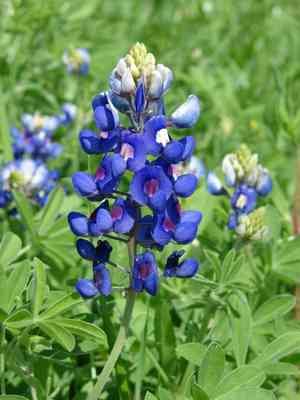
1
Texas bluebonnet seeds possess lethal alkaloids capable of inducingrespiratory paralysis and fatality, even from minor, prolonged intake.
2
Felines and canines face dangerif they ingest any portion of the texas bluebonnet, possibly suffering fromintense digestive distress and sluggishness.
3
Prompt veterinary attention is vitalshould pet owners suspect texas bluebonnet intoxication to achieve the most favorable health prognosis.
Is Texas bluebonnet toxic to humans?
The Texas bluebonnet is deceptively beautiful. It contains harmful alkaloids, particularly in its seeds. Ingesting any quantity of these seeds can lead to poisoning in humans. Children are especially vulnerable to smaller doses. It impacts the nervous system, leading to respiratory difficulties, tremors, muscle contractions, loss of coordination, and ultimately lung failure and fatality. The toxins can accumulate in the body over time, meaning even small, repeated exposures to seedheads can eventually be lethal.
Is Texas bluebonnet toxic to cat?
Texas bluebonnet presents a low level of toxicity for cats. Felines might experience negative reactions mainly if they consume large quantities of specific plant parts, specifically the foliage and seeds. Following exposure, signs of physical distress might not be immediately apparent, but it's crucial to watch for any shifts in behavior or subtle indicators of illness. Given the potential dangers, cat guardians should exercise caution and prevent their pets from consuming parts of the Texas bluebonnet. If a cat is suspected of Texas bluebonnet poisoning, immediate veterinary attention is essential to ensure the best health outcome for the animal.
Is Texas bluebonnet toxic to dog?
The Texas bluebonnet plant species carries a low toxicity risk for dogs. Canines might be poisoned by this plant if they consume significant amounts of its leaves or seeds. After consuming parts of the Texas bluebonnet, dogs could display symptoms like digestive upset, sluggishness, or more serious signs depending on the ingested quantity. It is vital for dog owners to supervise their pets and restrict access to Texas bluebonnet, particularly during its flowering period when the urge to chew on the plant might be stronger. Should a dog ingest Texas bluebonnet, seeking immediate veterinary care is crucial to ensure appropriate treatment and management of any potential poisoning.



