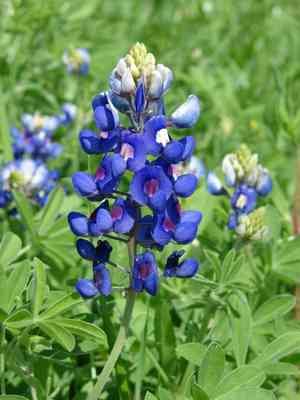
Texas bluebonnet (Lupinus texensis)
Also known as: Wolf flower, Bluebonnet
The Bluebonnet (Lupinus texensis) is the state flower of Texas, native to both Texas and Mexico. It is known for its striking blue flowers, though it can also be found in other color variations in the wild. Often cultivated for decorative purposes, the Bluebonnet is a symbol of Texas pride.
Attributes of Texas bluebonnet
Images of Texas bluebonnet
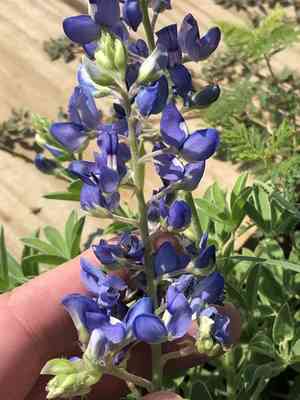
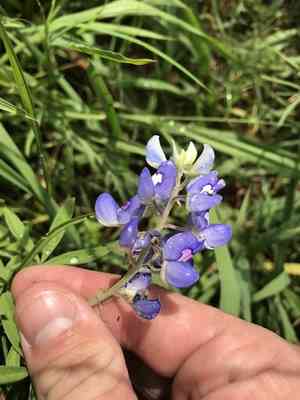
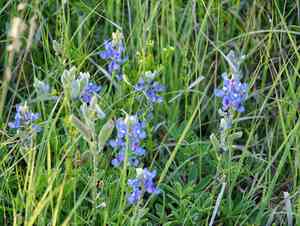
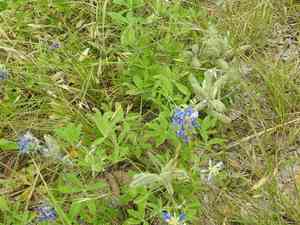
Quickly Identify Texas bluebonnet
Scientific Classification of Texas bluebonnet
Planting and Growing of Texas bluebonnet
 How to Water Texas bluebonnet?
 What Are the Sunlight Requirements for Texas bluebonnet?
 What Is the Ideal Temperature Range for Texas bluebonnet?
 What Soil is Best for Texas bluebonnet?
 How to Fertilize Texas bluebonnet?
 How to Prune Texas bluebonnet?
 How to Propagate Texas bluebonnet plant?
 How to Repot Texas bluebonnet plant?
Toxicity of Texas bluebonnet
Is Texas bluebonnet toxic to humans?
The Texas bluebonnet is a stunning yet perilous plant. It harbors toxic alkaloids, predominantly found in its seeds. Ingesting even a small quantity of these seeds can result in poisoning in humans. Children are particularly vulnerable, with even minute amounts having severe effects. It impacts the nervous system, leading to respiratory difficulties, twitching, muscle spasms, loss of motor control, and ultimately, lung paralysis and fatality. The toxins have the potential to accumulate in the body over time, indicating that consuming just a few seedheads intermittently can ultimately result in death.
Is Texas bluebonnet toxic to cat?
The Texas bluebonnet possesses a mild degree of toxicity for cats. Felines are likely to encounter negative effects primarily if they ingest significant amounts of certain parts of the plant, particularly the leaves and seeds. After exposure, physical signs of distress may not be readily apparent, making it essential to monitor for any behavioral changes or subtle indicators of illness. Given the potential hazards, cat owners should exercise caution and prevent their cats from accessing any parts of the Texas bluebonnet. If there is suspicion that a cat has ingested the Texas bluebonnet, it is crucial to obtain prompt veterinary assistance to ensure optimal health outcomes for the animal.
Is Texas bluebonnet toxic to dog?
The texas bluebonnet plant species presents a mild toxicity risk to dogs. If canines consume a significant quantity of its leaves or seeds, they may experience poisoning. Following the ingestion of parts of the texas bluebonnet, dogs could display symptoms such as gastrointestinal distress, lethargy, or more serious indications depending on the amount consumed. It is vital for dog owners to supervise their pets and restrict access to texas bluebonnet, particularly during its blooming period when the urge to nibble on the plant may increase. Should a dog consume texas bluebonnet, it is essential to seek immediate veterinary assistance to ensure appropriate treatment and management of any potential poisoning.



