The Texas bluebonnet Plant Advantage: Maximizing Home and Office Appeal and Wellness
1
Texas bluebonnet enriches the soil with nitrogen, boosting its richness.
2
This flora draws in pollinators, bolstering the regional ecosystem.
3
Texas bluebonnet offers ground coverage, stopping soil degradation.
What is the Texas bluebonnet and Why is it Special?
A Brief Overview
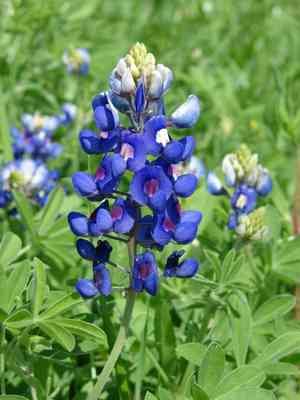
The Texas bluebonnet is a perennial plant indigenous to Texas, celebrated for its vibrant blue blossoms that signal spring's arrival. Esteemed by both residents and visitors, this plant symbolizes the essence of the Texan wilderness. Beyond its beauty, the Texas bluebonnet contributes significantly to environmental well-being.
Cultural Significance
The cultural impact of the Texas bluebonnet is immense. It is honored in Texas through celebrations and events coinciding with its flowering season. The flower is so beloved that it even influenced legislative efforts to conserve and safeguard its natural habitats.
How Does the Texas bluebonnet Benefit the Soil?
Natural Fertilizer
The Texas bluebonnet belongs to the legume family, known for its unique capacity to fix nitrogen in the soil. This process converts atmospheric nitrogen into a usable form for plants, thereby boosting soil fertility. Consequently, cultivators often plant Texas bluebonnet to naturally enhance soil health, reducing the need for artificial fertilizers.
Prevention of Soil Erosion
With its robust root system, the Texas bluebonnet excels at anchoring soil and preventing erosion. This characteristic is especially advantageous in areas prone to heavy rainfall or strong winds. By planting Texas bluebonnet, landowners can effectively minimize soil loss and maintain a more stable environment.
What Role Does the Texas bluebonnet Play in the Ecosystem?
Supporting Pollinators
One of the key advantages of the Texas bluebonnet is its ability to attract pollinators like bees, butterflies, and hummingbirds. These creatures are vital for the pollination of numerous plants, including agricultural crops. By offering a consistent nectar source, the Texas bluebonnet helps sustain these pollinator populations, contributing to the broader health of the ecosystem.
Creating Habitats
Beyond pollinators, the Texas bluebonnet provides a habitat for various small animals and insects. Its presence in prairies and fields increases biodiversity, fostering a more resilient and balanced ecosystem. The plant's ability to thrive in diverse soil types and conditions makes it an adaptable and valuable component of Texas's natural landscape.
Can the Texas bluebonnet Be Used in Gardening and Landscaping?
Ornamental Uses
The Texas bluebonnet is highly valued in ornamental gardening due to its striking blue flowers and seasonal bloom. Gardeners can utilize it to add color and texture to their gardens while gaining the additional benefits of soil improvement and erosion control. The plant's ease of care and adaptability makes it a popular choice among both novice and experienced gardeners.
Sustainable Landscaping
Integrating the Texas bluebonnet into sustainable landscaping practices can yield significant environmental advantages. Its low water requirements and natural pest resistance make it an ideal plant for eco-friendly gardens. When strategically planted, the Texas bluebonnet can help create a visually appealing landscape that also supports local wildlife and promotes soil health.
How to Cultivate and Care for the Texas bluebonnet
Planting Tips
The Texas bluebonnet thrives best in well-drained soil with full sun exposure. When planting, ensure that the seeds are sown in early spring to enjoy a full bloom during the warm months. It is important to keep the soil slightly moist until the plants are established.
Maintenance Requirements
Once established, the Texas bluebonnet requires minimal upkeep. Regular watering during dry periods and occasional trimming to prevent excessive growth will suffice. The plant is naturally resistant to most pests and diseases, making it a hardy and low-maintenance addition to any garden.



