How to Propagate Texas bluebonnet?
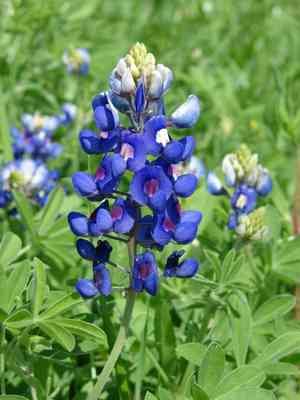
The Texas bluebonnet primarily reproduces by planting seeds in the springtime. This method is quite straightforward, with successful development evidenced by sprouting and the appearance of young plants. Sufficient moisture and soil that drains properly are crucial elements for successful propagation.
Optimal Time for Texas Bluebonnet Propagation
Propagation Method
Seeding
Propagation Period
Spring
Tools for Texas Bluebonnet Propagation
Scarification Implements (Sandpaper or Nail File)
These instruments are employed to gently abrade the seed coat of texas bluebonnet, a common necessity for this variety. Scarification enhances water uptake, fostering faster and more consistent germination. This process mimics natural occurrences that break down the seed's outer layer, such as passage through an animal's digestive system or environmental weathering.
Seedling Tray or Starter Pots
Trays or small containers offer an ideal setting for sowing texas bluebonnet, enabling regulated soil conditions and easier monitoring of moisture levels. They aid in organizing seeds for sprouting and provide each young plant with sufficient room for initial development.
Watering Can with a Fine Rose
Crucial for gently applying water to texas bluebonnet without dislodging seeds or causing soil erosion. The fine rose attachment disperses the water stream into tiny droplets, simulating soft rain and providing hydration without harming delicate seeds or seedlings.
Soilless Seed Starting Mix
A specialized medium formulated to be sterile, ensuring texas bluebonnet's seeds are not exposed to disease-causing pathogens. This blend offers excellent drainage and aeration, vital elements for seedling root development and preventing root rot.
Plant Labels
To identify propagation materials with essential details about texas bluebonnet, including the planting date and cultivar. Proper labeling prevents confusion and allows for accurate tracking of growth stages and germination times.
Heat Mat
Boosts germination rates for texas bluebonnet by maintaining steady soil temperatures. As texas bluebonnet prefers warmer conditions for sprouting, a heat mat supplies the necessary warmth to stimulate and accelerate the germination process.
Growth Light
Ensures that texas bluebonnet's seedlings receive adequate light for photosynthesis, particularly when natural light is scarce. The consistent light source promotes robust and healthy growth during the critical early stages of development post-germination.
How to Propagate Texas Bluebonnet?
Propagation Method
Seeding
Difficulty Level
Easy
Caring for Your Newly Propagated Texas Bluebonnet
Caring for Your Newly Propagated Texas Bluebonnet
Post-propagation, ensure texas bluebonnet receives ample sunlight, at least 8 hours daily. Water the plant regularly but allow the soil to dry out between waterings to prevent root rot, to which texas bluebonnet is susceptible due to its preference for drier conditions. Furthermore, texas bluebonnet typically does not require fertilization. Be cautious with nitrogen-rich fertilizers as they can hinder blooming. Once established, texas bluebonnet is drought-tolerant and generally needs minimal care. The plant will produce attractive blooms in the spring and will self-seed for future growth, maintaining its presence in your garden.
Common Errors to Avoid When Propagating Texas Bluebonnet
Overwatering
Excessive watering of texas bluebonnet can lead to root rot and fungal diseases, as their natural habitat is accustomed to less frequent rainfall.
Planting depth
Sowing texas bluebonnet seeds too deep can impede germination because they require light to initiate the growth process.
Soil type
Utilizing dense or clay-heavy soil creates a poorly draining environment, which is not ideal for texas bluebonnet, jeopardizing plant health.
Tips For Propagating Texas Bluebonnet
Scarification
Gently scratching or nicking the hard seed coat of texas bluebonnet improves water absorption, promoting germination.
Well-draining soil
Using a loose, well-draining soil mix mimics texas bluebonnet's native environment and enhances growth and health.
Sunlight exposure
Ensure full sun exposure for texas bluebonnet, as they require ample sunlight for optimal growth and flowering.



