Enhancing Your Garden Design with the Texas bluebonnet Plant: A Landscaping Guide
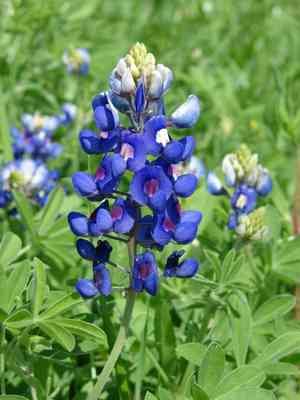
1
The Texas bluebonnet adds lively hues and interesting feel to any garden space.
2
Accompanying plants for Texas bluebonnet can boost its visual charm and environmental advantages.
3
Sowing Texas bluebonnet during the appropriate season guarantees its best development and flowering.
Introducing Texas Bluebonnets in Garden Design
Appreciating the visual charm of Texas bluebonnets
Texas bluebonnets offer a distinct visual appeal that can elevate any garden's look. Their striking hue not only captures attention but also complements other landscape features, fostering a harmonious and visually pleasing setting. This plant's inherent beauty can serve as a focal point, drawing observers in and adding depth to your garden's layout.
The popularity of Texas bluebonnets in contemporary garden design
Texas bluebonnets have gained significant favor among modern landscapers due to their adaptability and resilience. Their versatile appeal makes them an excellent choice for various garden styles, from classic to modern. Integrating Texas bluebonnets into landscapes is becoming a trend as gardeners value their ability to flourish in diverse soil types and weather conditions, making them a low-maintenance yet visually impactful option.
Optimal Placement for Texas Bluebonnets to Maximize Impact
Selecting the ideal spot in your garden
To get the most from Texas bluebonnets in your landscape, choosing the right location is crucial. Texas bluebonnets thrive in well-drained soil and areas receiving full sun or partial shade. Planting them along paths, borders, or in clustered groups can amplify their visual effect and create stunning garden features. Consider your garden's overall layout and how the bluebonnets' placement can enhance the natural flow and beauty of the space.
Best companion plants for Texas bluebonnets
Pairing Texas bluebonnets with complementary plants can heighten their beauty and benefit your garden's ecosystem. Ideal companion plants include those with similar growth needs while offering variety in color and texture. Good companions might be low-growing shrubs or perennials that contrast or complement the bluebonnets' vibrant blooms. This combination not only creates a balanced visual appeal but also supports biodiversity in your garden.
Seasonal Considerations for Planting Texas Bluebonnets
Optimal times of the year to plant Texas bluebonnets
When incorporating Texas bluebonnets into your landscape, timing is essential for their success. The best time to plant Texas bluebonnets is during their dormant period, typically in the fall, to allow them to establish strong roots before the growing season. Planting during this time ensures that the bluebonnets can fully benefit from seasonal rains and cooler temperatures, which are ideal for their development.
How seasonal changes affect Texas bluebonnets
Understanding how seasonal variations impact Texas bluebonnets can help you plan and maintain your garden more effectively. Seasonal changes can influence blooming times, with the plant often displaying its best color in spring. It's also important to monitor weather conditions, as extreme cold or unseasonal heat can affect the bluebonnets' development. Regularly adjusting your garden care routine based on the season ensures that Texas bluebonnets remain healthy and vibrant throughout the year.
Long-Term Advantages of Incorporating Texas Bluebonnets into Your Landscape
Boosting biodiversity with Texas bluebonnets
Adding Texas bluebonnets to your garden can significantly enhance biodiversity. Texas bluebonnets attract various pollinators, including bees and butterflies, which are vital for a healthy ecosystem. By providing a habitat and food source for these insects, bluebonnets contribute to your garden's overall vitality and support ecological balance. This can lead to a thriving, self-sustaining landscape teeming with life.
Sustainability aspects of utilizing Texas bluebonnets
Using Texas bluebonnets in your landscape design can also promote sustainability. Their resilient nature means they require less water and fewer chemical inputs compared to more delicate plants. This makes them an eco-friendly choice that supports water conservation and reduces the need for pesticides and fertilizers. By choosing Texas bluebonnets, you make a positive impact on the environment while enjoying a beautiful garden.
Creative Concepts for Integrating Texas Bluebonnets in Outdoor Areas
Unique landscape designs featuring Texas bluebonnets
Think innovatively when incorporating Texas bluebonnets into your garden design. Use them to create striking patterns, such as a flowing river of blue flowers through a meadow-like garden. Alternatively, plant them en masse to create a dramatic statement bed. Your creativity is the only limit with Texas bluebonnets, which can be used effectively in both formal and informal settings.
Combining Texas bluebonnets with hardscaping elements
Blending Texas bluebonnets with hardscaping elements can add another layer of interest to your landscape. Consider pairing them with stone pathways, rustic benches, or water features to highlight their vibrant color and texture. The contrast between the soft, natural blooms of bluebonnets and the solid, structured elements of hardscaping creates a balanced and aesthetically pleasing outdoor space.



