How Much Sunlight Do Texas bluebonnet Need?
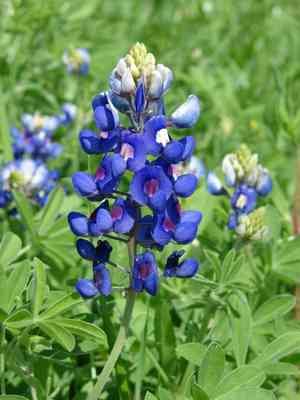
1
Texas bluebonnets flourish optimally with ample sunlight, needing over six hours of direct sun daily.
2
Partial shade is acceptable, but it might lessen the intensity and abundance of flowers.
3
Using reflective ground cover can enhance sun exposure in spots with restricted direct light.
What are the Light Requirements for Texas bluebonnet?
Optimal Light Conditions
The Texas bluebonnet thrives in full sun. This means it needs at least six hours of direct sunlight daily. As a native Texan plant, it's well-adapted to bright, sunny environments. Sufficient light significantly boosts its growth, flowering, and overall vitality.
Tolerance for Partial Shade
While full sun is preferred, the Texas bluebonnet can endure partial shade. Partial shade implies the plant receives less than six hours of direct sun, often filtered or indirect light for part of the day. In such conditions, its blooming potential and growth may be reduced.
Regional Light Variations
Sunlight availability varies significantly by geographic location. In areas with weaker sunlight, maximizing sun exposure is crucial. Conversely, extremely intense sunlight might necessitate some afternoon shade to prevent scorching and overheating. Monitoring local light intensity helps tailor care practices.
How to Ensure Adequate Light for Texas bluebonnet?
Selecting the Right Planting Spot
Choose a garden or yard location that receives the most sunlight throughout the day. An open area facing south or west is usually ideal. Avoid spots consistently shaded by trees, buildings, or other structures.
Adapting to Seasonal Changes
Sunlight patterns shift with the seasons. In winter, the sun's lower angle can reduce light exposure. To counter this, consider moving potted bluebonnets or pruning nearby vegetation that might block light. Regular assessment ensures consistent light year-round.
Utilizing Reflective Mulch or Ground Cover
Reflective mulches or light-colored ground covers can enhance light absorption. These materials bounce sunlight onto the undersides of leaves, supplementing direct light. This method is particularly useful in gardens with limited sun exposure.
Common Light-Related Issues for Texas bluebonnet
Symptoms of Insufficient Light
Lack of adequate light can cause several problems for the Texas bluebonnet. Common signs include leggy growth (stretching for light), poor blooming, and pale or yellowing foliage. Early recognition allows for prompt correction.
Signs of Sunburn or Heat Damage
Excessive exposure can also be detrimental, leading to sunburn or sun damage. Symptoms include browning leaf tips or edges, wilting, and scorched patches, especially on new, delicate leaves. Providing afternoon shade or using shade cloths during peak sun hours can alleviate these effects.
Preventive Measures for Optimal Light
Prevent issues by monitoring the plant's light exposure and making necessary adjustments. Ensuring a suitable location and using protective materials like mulch can help maintain the Texas bluebonnet's health. Regularly check for signs of too little or too much light and adjust watering to match light conditions.
FAQ: Light for Texas bluebonnet
Can Texas bluebonnet Grow Indoors?
Growing Texas bluebonnet indoors is challenging due to its high light needs. If attempting indoor cultivation, place it in the brightest available spot, ideally near a south-facing window. Supplemental grow lights can also support its development.
What is the Best Time of Day for Light Exposure?
Morning sunlight is generally most beneficial, being less intense and providing gentle warmth. Aim for full exposure from early morning to mid-afternoon, exercising caution during peak midday hours when the sun is strongest. This balanced light duration promotes robust growth.
How Do I Protect Texas bluebonnet from Overexposure?
Overexposure can be managed by providing afternoon shade, either naturally from nearby structures or trees, or by using shade cloths. During periods of extreme heat, increasing watering frequency can also help prevent heat stress and sun damage.



