How to Transplant Poached egg plant?
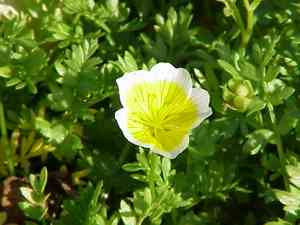
For poached egg plant, spring is the ideal period for relocating due to favorable growing conditions. Select a bright location with damp, adequately draining earth. Exercise caution to lessen root disruption for a successful transfer.
Essential Preparations Before Relocating Poached Egg Plant?
Optimal Period for Transplanting Poached Egg Plant?
The perfect time for moving poached egg plant is during the spring season, as it offers an ideal balance of mild temperatures and increasing daylight. Shifting poached egg plant at this time promotes strong root development before summer. By selecting this opportune moment, you give poached egg plant the best start, ensuring a magnificent floral display and ample time to mature prior to the hotter months. Indeed, transplanting under these gentle conditions is like setting the stage for a spectacular performance, both in growth and bloom.
Required Spacing Between Poached Egg Plant Specimens?
When relocating your poached egg plant, ensure ample room for each individual plant. The ideal spacing is approximately 6-8 inches (15-20 cm) apart. This will guarantee your plants receive sufficient light and air circulation.
Best Soil Blend for Poached Egg Plant Relocation?
The poached egg plant thrives in soil that is rich in nutrients and drains effectively. It's recommended to amend the soil with organic compost or a foundational fertilizer containing phosphorus, potassium, and nitrogen. This will provide a strong beginning for your plants.
Where to Replant Your Poached Egg Plant?
Select a planting site for your poached egg plant that receives abundant sunlight. Although your poached egg plant is quite resilient, it flourishes best in full sun. It's an excellent option for sunny borders or elevated garden beds.
Equipment Needed Before Relocating Poached Egg Plant?
Spade or Shovel
You'll require this tool to excavate the new planting hole, and also to carefully extract the poached egg plant from its original spot without harming the root ball.
Gardening Gloves
To safeguard your hands while working with the soil and plant. They also help protect you from any insects or other small creatures hidden in the soil.
Garden Knife or Pruners
These will be utilized if you need to sever tough roots when extracting the plant.
Watering Can or Hose
For hydrating the plant both before and after its relocation.
Wheelbarrow or Plant Pot
You'll need something to transport the poached egg plant from one location to another.
Organic Mulch
This will assist the soil in retaining moisture post-planting and can also safeguard the root system.
How to Extract Poached Egg Plant from the Ground?
How to Extract Poached Egg Plant from the Ground?
From Ground: Begin by lightly watering the poached egg plant to facilitate digging without root damage. Avoid over-saturating the soil, as this can lead to compaction and root harm. Once the soil is slightly moist, use a shovel or spade to dig a wide circle around the plant, ensuring you are far enough from the stem to prevent cutting into the roots. Carefully lift the plant and its root ball from the hole and place it in your wheelbarrow or plant pot. Make sure there's enough soil around the root ball to protect it.From Pot: To remove the poached egg plant from a container, water it lightly first. Tilt the pot sideways and gently tap the sides to loosen the plant. For larger pots, you might need to lay it on the ground and roll it slightly to loosen the soil and roots. Once the plant is loose, carefully slide it out while supporting the root ball.From Seedling Tray: If your poached egg plant is still young and in a seedling tray, removal should be straightforward. Simply hold the stem between your fingers and push up from the bottom to slide it out. Be sure to support the root ball to prevent any damage.
Step-by-Step Guide for Relocating Poached Egg Plant
Transplant Timing
Relocation should ideally occur on an overcast day or during the early morning or late evening to avoid harsh sunlight exposure. This minimizes stress on the poached egg plant during the transplanting process.
Prepare The New Hole
Dig a hole in the new spot that is twice as wide and slightly deeper than the root ball of the poached egg plant.
Planting
Position the poached egg plant in the new hole. The top of the root ball should be level with the ground. Backfill the hole with the excavated soil, gently pressing around the plant's base to ensure it's firmly in place.
Watering
Water the poached egg plant generously immediately after transplanting to help it settle.
Mulching
Spread organic mulch around the base of the poached egg plant to aid in soil moisture retention and inhibit weed growth.
Post-Transplant Care for Poached Egg Plant?
Watering_frequency
For the initial couple of weeks after transplanting, keep the soil around the poached egg plant consistently moist. Infrequent, deep watering is more beneficial than frequent, shallow watering for encouraging root development.
Pruning
If your poached egg plant exhibits signs of wilting or stress, consider lightly trimming the top foliage to lessen the strain on the roots. Only minimal pruning is necessary, and avoid it entirely if the plant appears to adapt well initially.
Monitoring
Observe the poached egg plant closely for several weeks. Look for indications of transplant shock, such as wilting, yellowing leaves, or leaf drop. If these signs appear, ensure you're not over or under-watering and consider seeking further guidance.
Resolving Common Issues with Poached Egg Plant Relocation.
When is the best time to move poached egg plant?
The optimal periods for relocating poached egg plant are from early spring through mid-summer. These seasons offer the perfect conditions for poached egg plant to thrive.
How much space should I allow between poached egg plant?
These plants will flourish when given adequate room to grow. Plant your poached egg plant approximately 6-8 inches (15-20 cm) apart from one another.
What's the best method to prepare soil for poached egg plant relocation?
Ensure the soil is well-drained and rich in nutrients. Loosen the ground to about 10 inches (25 cm) deep before inserting the plant.
What if my relocated poached egg plant shows no growth?
Verify if poached egg plant is receiving sufficient sunlight and water, and that soil conditions are optimal. Also, confirm you haven't planted the poached egg plant too deeply.
How should I water poached egg plant after relocation?
Initially, water poached egg plant thoroughly and maintain consistent soil moisture. After a few weeks, you can reduce the frequency to prevent waterlogging.
Are there specific care tips for poached egg plant after relocation?
Yes, shield poached egg plant from extreme temperatures, and provide a support structure if the plants become leggy. Regularly check for any signs of pests or diseases.
Why are the leaves of my recently relocated poached egg plant turning yellow?
Yellow leaves might indicate excessive watering, insufficient sunlight, or a nutrient deficiency. Assess and adjust these conditions as needed.
What to do if my poached egg plant shows signs of wilting after relocation?
Wilting often signals transplant shock. Keep your poached egg plant in a shaded area and water it appropriately. The plant should recover within a few days.
How deep should I plant poached egg plant seedlings?
The depth should be roughly equivalent to the height of the root ball. It's crucial not to bury the stem of the poached egg plant after transplanting.
How to handle poached egg plant seedlings during relocation?
Handle poached egg plant seedlings with care to avoid damaging the roots. Use a garden trowel to lift the seedling without disturbing its root ball.



