How Much Sunlight Do Poached egg plant Need?
1
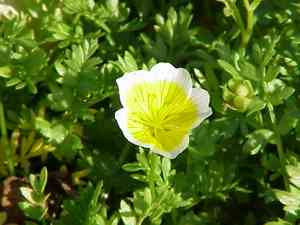
Poached egg plant flourishes optimally with a minimum of 6 hours of direct sun each day.
2
Observe for scorched foliage and drooping as indicators of excessive sun exposure.
3
Offering some shade during the most intense sunlight periods can avert sun-related harm.
Optimal Light Conditions for Limnanthes douglasii
Full Sun vs. Partial Shade
The Limnanthes douglasii thrives with ample direct sunlight, meaning it requires over six hours of sun daily. Its vibrant blossoms and robust development are greatly enhanced by sufficient light. However, in extremely hot climates, providing some filtered light during the hottest part of the day can prevent sun damage without significantly reducing the light these plants prefer.
Seasonal Variations in Light Requirements
It's crucial to consider seasonal changes when caring for your Limnanthes douglasii. During spring and summer, with longer, stronger daylight, the plant flourishes in full sun. Conversely, in autumn and winter, as days shorten and sunlight weakens, the plant's light needs naturally decrease. Adjusting its position or providing supplemental lighting can help maintain its health year-round.
Indicators Your Limnanthes douglasii is Receiving Too Much Sun
Leaf Scorch and Browning
If your Limnanthes douglasii is getting excessive sunlight, one of the initial signs will be leaf burn. This appears as browning or yellowing on the leaf edges. It clearly signals that the plant is suffering from overexposure to the sun, which can lead to more severe harm if not promptly addressed.
Wilting and Drooping
Another symptom of too much sun is wilting and drooping. While this can also indicate insufficient watering, in the context of excessive sun, it means the plant cannot maintain its normal rigidity. Checking soil moisture and observing the plant's response to shade can help determine if sunlight is the cause.
Preventing Sun Damage in Limnanthes douglasii
Providing Shade During Peak Hours
To protect your Limnanthes douglasii from excessive sun, especially at midday when light is most intense, consider using a shade cloth or planting it near taller plants that offer natural shade. This method effectively lowers the risk of sunburn without depriving the plant of its essential sunlight.
Using Reflective Mulch
Reflective mulch can be a beneficial tool for moderating the amount of sunlight your Limnanthes douglasii receives. This mulch reflects light back onto the plant, ensuring even distribution and preventing soil overheating. It creates a more balanced environment for the plant's growth and protection.
Signs Your Limnanthes douglasii Needs More Sun
Pale and Weak Flowering
A Limnanthes douglasii not receiving enough sunlight will often produce pale and weak flowers. This indicates the plant isn't getting the necessary energy from sunlight to fully develop its blooms. Ensuring it receives at least six hours of sunlight can help restore the vibrancy and health of the flowers.
Leggy Growth
Leggy growth, where the plant stretches and becomes sparse, is a clear sign of inadequate sunlight. The Limnanthes douglasii will elongate its stems in an attempt to reach more light, resulting in a less appealing and weaker structure. Increasing sunlight exposure can correct this issue, promoting a fuller and sturdier growth habit.
Maximizing Sunlight Exposure for Limnanthes douglasii
Optimal Placement in Your Garden
To ensure your Limnanthes douglasii gets the correct amount of sunlight, position it in a garden spot where it will receive unobstructed sun for most of the day. South-facing locations are generally ideal, as they typically get the most consistent and direct sunlight. This strategic placement will ensure your plant grows vigorously and stays healthy.
Pruning Surrounding Vegetation
If your Limnanthes douglasii is shaded by other plants or garden structures, consider trimming the surrounding vegetation. This allows more light to reach the plant's foliage and flowers. Regularly cutting back overhanging branches or dense shrubs can significantly increase the amount of sunlight your Limnanthes douglasii receives.



