Enhancing Your Garden Design with the Poached egg plant Plant: A Landscaping Guide
1
The Limnanthes douglasii draws vital pollinators to your outdoor space with its vibrant, noticeable blooms.
2
This species requires minimal upkeep, making it ideal for both novice and seasoned gardeners.
3
The Limnanthes douglasii fits well into diverse garden aesthetics, ranging from structured arrangements to untamed, naturalistic landscapes.
Introducing Limnanthes douglasii in Landscape Design
Overview of Limnanthes douglasii and its visual charm
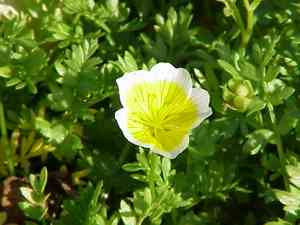
Limnanthes douglasii, with its striking yellow and white blossoms, mirrors the classic appearance of poached eggs, thus earning its delightful moniker. This plant imparts a cheerful and luminous aesthetic to any garden. Its vibrant colors make it a prominent feature, ideal for introducing a burst of color that can invigorate surrounding flora and establish a joyful atmosphere. The compact and dense flowering habit ensures that Limnanthes douglasii can form a lush, ground-covering effect that is both visually appealing and effective in weed suppression.
The function of Limnanthes douglasii in garden aesthetics
Beyond its beauty, Limnanthes douglasii plays a crucial role in garden aesthetics by offering a contrast to greener foliage and other, more subdued blooms. It frequently serves as a foundational element in garden planning, owing to its reliable blooming period and resilience. Its harmonious color blend can smooth the transition between various garden zones, fostering a unified look. Whether utilized in borders, rock gardens, or as part of a mixed planting scheme, Limnanthes douglasii can enhance the overall texture and coherence of your landscape.
Integrating Limnanthes douglasii into Diverse Garden Styles
Pairing Limnanthes douglasii with formal garden layouts
In formal garden designs, Limnanthes douglasii can be employed to define crisp lines and symmetrical patterns. Plant them in neat, organized rows or geometric shapes to accentuate the garden's structure. They can be an excellent option for edging along pathways or forming low hedges that delineate garden beds. The contrast between the formal structure and the vibrant, carefree blooms of Limnanthes douglasii adds a dynamic and inviting quality to the space.
Incorporating Limnanthes douglasii into informal, naturalistic gardens
For informal, naturalistic gardens, Limnanthes douglasii can be a key player in creating a wild, untamed appearance. Its prolific flowering nature complements the random and relaxed arrangement typical of such gardens. You can scatter the seeds or plant Limnanthes douglasii in clusters to mimic the natural growth patterns found in meadows and fields. The bright flowers will attract bees, butterflies, and other pollinators, reinforcing the wild and untamed feel of the garden while providing ecological advantages.
Utilizing Limnanthes douglasii in confined areas and containers
The adaptability of Limnanthes douglasii makes it an excellent choice for small gardens or container cultivation. In restricted spaces, every plant must contribute significantly, and Limnanthes douglasii does so with grace. Its compact size makes it suitable for containers, window boxes, and small garden plots. The continuous blooms will enliven the area without overwhelming it. Containers can be strategically placed to bring color to patios, balconies, or even indoor spaces during the flowering season.
Seasonal Considerations for Planting Limnanthes douglasii
Optimal times of year to plant Limnanthes douglasii
Timing is essential when planting Limnanthes douglasii to ensure a thriving display. Generally, early spring is the best period for planting, as it allows the plants to establish before the warmer months. This timing helps them absorb optimal growing conditions with sufficient sunlight and moisture. You might also consider an autumn planting, especially in milder climates, to get a head start on the subsequent growing season. Adjust planting times based on your specific region and climate for optimal outcomes.
How Limnanthes douglasii adapts to varying climates
One of the greatest attributes of Limnanthes douglasii is its adaptability to diverse climates. It flourishes in regions that offer full sun to partial shade and can tolerate a range of soil types, though it prefers well-draining soil. In cooler climates, Limnanthes douglasii can withstand light frosts, making it a dependable choice for early spring or late autumn planting. In warmer climates, providing partial shade during the peak heat of summer can prevent the plants from wilting and ensure extended blooming periods.
Advantages of Adding Limnanthes douglasii to Your Landscape
Ecological benefits: Attracting beneficial insects
Limnanthes douglasii is renowned for drawing in a variety of pollinators, including bees, butterflies, and hoverflies. These pollinators are vital for the health of your garden and the surrounding ecosystem. By incorporating Limnanthes douglasii into your landscape, you can boost the biodiversity of your garden, ensuring pollination of your plants and contributing to a healthier environment. The bright, nectar-rich flowers provide necessary resources for pollinators, particularly in early spring when food sources can be scarce.
Aesthetic advantages: Color and vibrancy
The aesthetic benefits of Limnanthes douglasii are considerable. With its captivating yellow and white flowers, this plant introduces a lively burst of color that can transform any garden area from dull to delightful. It harmonizes well with green foliage and other colorful plants, enhancing the overall vibrancy and visual appeal of your garden. Whether used in combination or as a solitary feature, Limnanthes douglasii's color palette can uplift the mood and appearance of your landscape effortlessly.
Low-maintenance characteristics of Limnanthes douglasii
Gardeners of all skill levels will appreciate Limnanthes douglasii for its easy-care nature. Once established, it requires minimal attention, thriving with just basic watering and occasional weeding. It is relatively pest-resistant and can adjust to different soil conditions, making it a resilient option for various garden settings. This simplicity of care allows you to enjoy a beautiful, vibrant garden without the need for extensive maintenance routines.
Creative Concepts for Using Limnanthes douglasii in Your Garden
Design suggestions for focal points using Limnanthes douglasii
Employing Limnanthes douglasii as a focal point in your garden can draw the eye and establish a striking visual anchor. Consider planting them in prominent locations such as the entrance to your garden, the center of a garden bed, or as a mass planting in a dedicated section. The bright blooms will naturally attract attention and can be paired with complementary plants to amplify their impact. Their consistent flowering throughout the season ensures that these focal points remain vibrant and engaging.
Combining Limnanthes douglasii with other plants
Limnanthes douglasii is highly adaptable and pairs well with a diverse range of other plants. For a cohesive look, combine it with other low-growing, sun-loving flowers like marigolds and lobelia. For contrasting textures and heights, mix Limnanthes douglasii with taller perennials or grasses. The possibilities are endless, and experimenting with different combinations can lead to a uniquely beautiful and dynamic garden space. This versatility makes Limnanthes douglasii a valuable plant for any diverse and visually striking garden design.
Themed gardens featuring Limnanthes douglasii
If you're aiming for a specific theme in your garden, Limnanthes douglasii can be a central element. For a cottage garden, combine Limnanthes douglasii with other classic flowers like daisies and hollyhocks. In a meadow-style garden, let Limnanthes douglasii interweave among other wildflowers and native plants. You can even create a color-themed garden highlighting the yellow and white hues of Limnanthes douglasii, complemented by other flowers and foliage in harmonious shades. This thematic approach can make your garden more cohesive and attract a multitude of pollinators.



