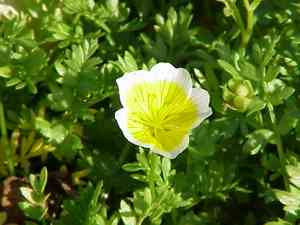
Poached egg plant (Limnanthes douglasii)
Also known as: Meadow foam
The poached egg plant, known scientifically as Limnanthes douglasii, gets its common name from its yellow and white blossoms that resemble poached eggs. This plant is native to the western coast of the United States. The Scottish botanist David Douglas first identified it while on an expedition in America, where he was collecting plant specimens for British gardens. The specific epithet "douglasii" is a tribute to Douglas, commemorating his botanical discoveries.
In This Article
Attributes of Poached egg plant
Lifespan
Annual, Biennial, Perennial
Plant Type
Herb
Plant Height
3 cm to 1 m
Spread
15 cm to 30 cm
Leaf Color
Green
Flower Size
2.5 cm
Flower Color
Yellow White
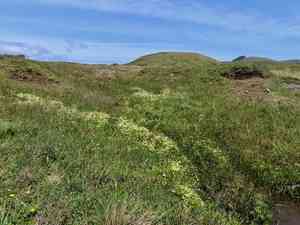
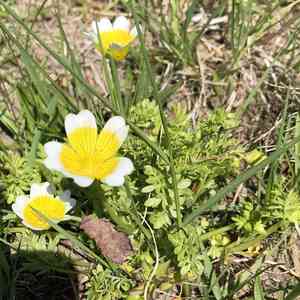
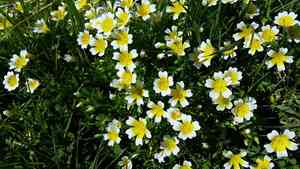
Images of Poached egg plant

Quickly Identify Poached egg plant
1
Douglas\' Meadowfoam can be identified by its low, sprawling growth habit, distinctly lobed leaves, and white flowers with a yellow center. The flowers typically have five petals and are approximately 2-3 centimeters in diameter.
Scientific Classification of Poached egg plant
Phylum
Vascular plants
Class
Dicotyledons
Order
Brassicales
Family
Meadowfoam
Genus
Meadowfoams
Species
Poached egg plant
Planting and Growing of Poached egg plant
Care Difficulty
Easy
Watering Schedule
Every 8 days
Sunlight Requirements
Full sun
Sunshine Duration
4-8 hours
Ideal Temperature
60-75℉
Soil Type
Potting Mix, Peat Mix
Soil pH
6.5-7.5
Fertilizer Type
Balanced
Pruning Season
Spring, Summer
Pruning Area
Branches, Leaves
Pruning Frequency
2 times a year
Repotting Season
Spring
Pot Type
Terracotta, Plastic
 How to Water Poached egg plant?
Limnanthes douglasii, commonly known as meadowfoam, thrives best when its soil remains consistently moist but not waterlogged. It's important to water with about 250 milliliters per session, ensuring that the topsoil is damp but not overly saturated. The key principle here is to simulate the plant's natural habitat which enjoys regular moisture, ensuring that the water reaches deep to nourish the roots appropriately.
What are the symptoms of an underwatered Poached egg plant?
›
What should I do if my Poached egg plant is not getting enough water?
›
What are the symptoms of an overwatered Poached egg plant?
›
How to save an overwatered Poached egg plant?
›
 What Are the Sunlight Requirements for Poached egg plant?
Limnanthes douglasii benefits from full to partial sun exposure. Ideal light promotes healthy growth, enabling lush foliage and abundant flowering, enhancing both aesthetics and the plant's health.
More About Sunlight Requirements Techniques→
What is the ideal amount of sunlight for Limnanthes douglasii?
›
How to ensure optimal sunlight for Limnanthes douglasii in variable weather conditions?
›
What benefits does optimal sunlight provide to Limnanthes douglasii?
›
 What Is the Ideal Temperature Range for Poached egg plant?
Limnanthes douglasii, commonly known as Douglas' Meadowfoam, thrives best in temperate climates. Ideally, it should be grown in an environment where temperatures range between 60°F and 75°F. This range provides an optimal balance of warmth that supports its growth cycle, allowing for effective photosynthesis and nutrient uptake without causing undue stress.
 What Soil is Best for Poached egg plant?
Limnanthes douglasii thrives in well-drained soil that prevents waterlogging. Excess water around its roots can lead to root rot, so ensuring drainage by using sandy loam or loam is crucial. Proper drainage supports healthy root development and robust plant growth. While drainage is important, Limnanthes douglasii prefers soil that retains enough moisture. It requires consistent water to maintain its lush foliage and vibrant blooms. This balance helps the plant grow vigorously and bloom profusely. Providing nutrient-rich soil can enhance the overall health and bloom quality of Limnanthes douglasii. Incorporating organic matter or compost can supply essential nutrients, promoting lush foliage and encouraging prolific flowering.
 How to Fertilize Poached egg plant?
Limnanthes douglasii thrives on a balanced fertilization regime. Use a liquid fertilizer diluted to half its strength at the recommended frequency. For slow-release fertilizers, apply as per the manufacturer's suggested amount, generally around 2-3 grams per plant. Over-fertilizing can lead to salt build-up in the soil. Adjust the soil pH if necessary, keeping it slightly acidic to neutral, around 6.0 to 7.0.
 How to Prune Poached egg plant?
Start by examining your Limnanthes douglasii for any dead or damaged parts. Use sharp, clean scissors to make cuts just above a leaf node to encourage bushy growth. Be gentle and avoid cutting too deep into healthy tissues, as this may damage the plant. For aesthetic purposes, you might want to shape your Limnanthes douglasii. Trim back overgrown areas to maintain a balanced shape. This approach not only keeps your plant manageable but also stimulates new growth, providing a fuller appearance and more robust blooms.
More About Pruning Techniques→
 How to Propagate Poached egg plant plant?
1
Fill the seed tray with sterile potting soil, making sure it is evenly distributed. Gently compact the soil to remove any air pockets, providing a stable base for seed placement.
2
Sow Limnanthes douglasii seeds evenly across the surface of the soil. Cover lightly with a thin layer of soil, approximately 0.5 cm thick. This helps in protecting the seeds while still allowing light to reach them.
3
Water the seeds gently using a spray bottle to avoid dislodging them. Keep the soil consistently moist but not waterlogged. Place the tray in a warm location with indirect sunlight to stimulate germination.
 How to Repot Poached egg plant plant?
1
Repot your Limnanthes douglasii when you notice signs such as roots emerging from the drainage holes, soil that dries out very quickly, or a visible reduction in growth vigor, indicating the plant's need for a larger space.
2
Select a pot that is only slightly larger than the current one, with adequate drainage holes to prevent water logging. Ceramic pots can offer stability and aesthetics, but ensure they aren't too heavy, as this plant prefers to be moved seasonally.
3
Choose a well-draining loamy soil, enriched with organic matter. This improves aeration, prevents root rot, and supports the plant's nutrient absorption capacity, enhancing its flowering and overall vigor.
Learn More About Poached egg plant Diseases
Anthracnose
Bacterial Leaf Spot
Bacterial Soft Rot
Chemical Injury
Crown Gall
Cyst Nematode
Damping-off
Downy Mildew
Drought Stress
Fusarium Wilt
Gray Mold
Leaf Spot
Mosaic
Nutrient Deficiency
Nutrient Toxicity
Powdery Mildew
Root Rot
Root-knot Nematode
Rusts
Sooty Mold
Spider Mites
Temperature Stress
Thrips Damage
White Mold



